

Oshima Science
Break down papers into claims, experiments, and evidence. See how they connect across papers.
We need more tiny knowledge projects—here’s one
Crowdsourcing dynamic illustrations for a new astronomy book by Terry Tao and Tanya Klowden. The other day I was reading the sample chapter of a new book by Terence Tao and Tanya Klowden, on the so-called cosmic distance ladder. It’s a lovely piece of writing. The chapter tells the story of how Johannes Kepler, using data collected by Tycho Brahe, solved the puzzle of planetary motion. It puts us in the discoverers’ shoes: instead of working backwards from Kepler’s equations, we work forwards from the inexp

Dylan Wiliam on Twitter / X
The best journal article titles tell you what the study actually found, rather than being a teaser to make you read the paper. Here's a good example: "Spaced mathematics practice improves test scores and reduces overconfidence" https://t.co/iXxdkAgYPM ($)— Dylan Wiliam (@dylanwiliam) December 31, 2024
https://z.ai/blog/glm-4.5
rohit on Twitter / X
One of the most fun papers I've read in recent times. Excellent. Reminiscent of the good old days of science papers. pic.twitter.com/4a7qRTloSG— rohit (@krishnanrohit) December 30, 2024

Web of Science Master Journal List - WoS MJL by Clarivate
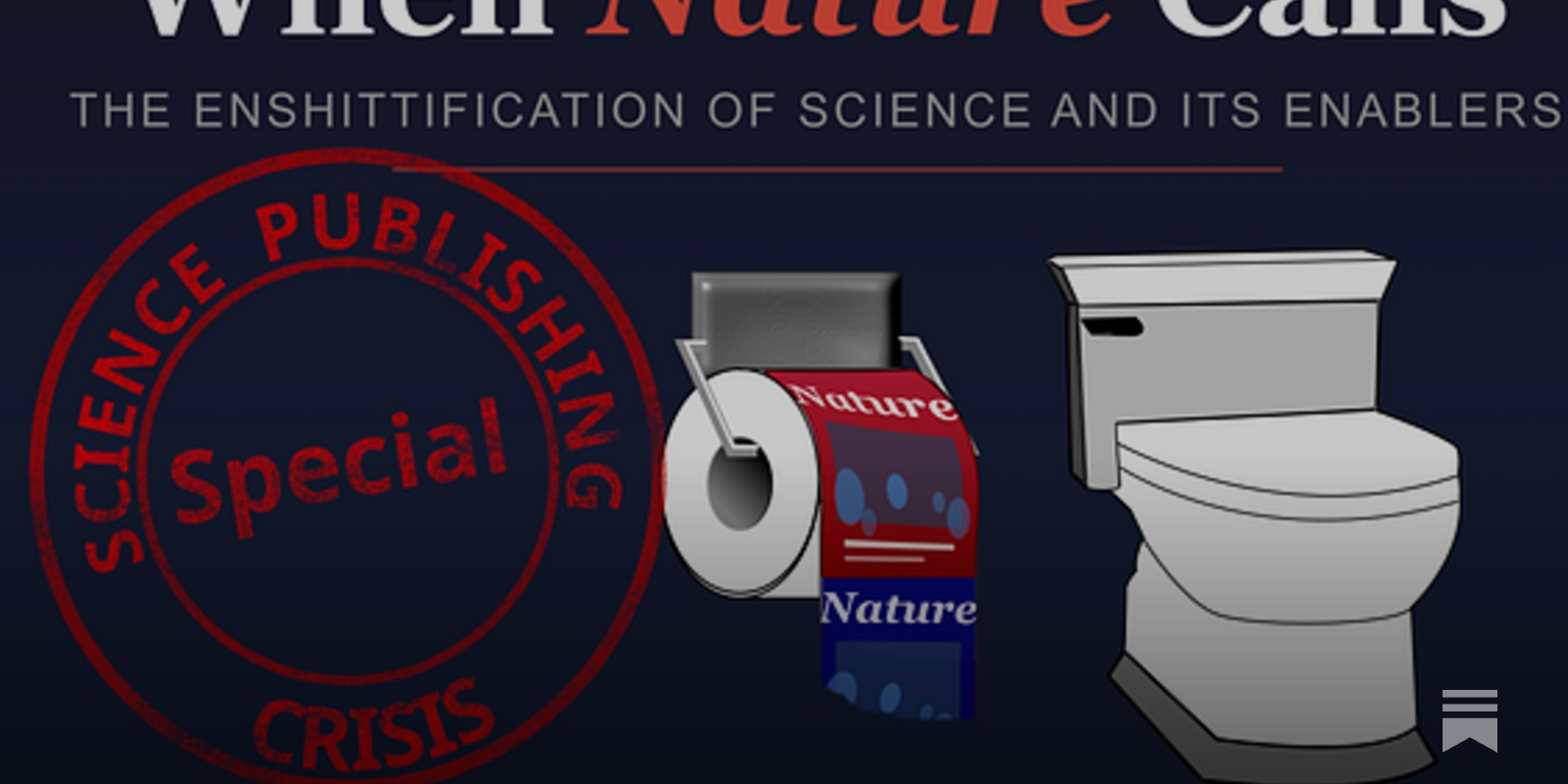
When Nature Calls: The Enshittification of Science and Its Enablers
Proof-of-work papers, policy laundering, and the collapse of self-correction
Daniel Christian Wahl: “Bioregional Futures: Reconnecting to Place for Planetary Health” - The Great Simplification
In the past century of abundant energy surplus, humanity’s globalized, large-scale approach to problem-solving

Planetary Lexicon: Key Terms in Earth System Science
Define 90+ terms in planetary science — from Anthropocene and tipping points to planetary boundaries and the ecosphere.
Peter Plavchan on Twitter / X
Came across this beauty of a Research Note. Looks like it was done by someone at JPL with a HS student. Pulled period and semi-major axis for Kepler and TESS transiting planets from the NASA Exoplanet archive, and verified Kepler's 3rd law. https://t.co/JSIlg6Aw5s— Peter Plavchan (@PlavchanPeter) September 27, 2024
Is there a ‘Goldilocks zone’ for paper length?
A hefty paper published in Nature has raised the question of whether data-dense research tomes can still be digestible.
NIK on Twitter / X
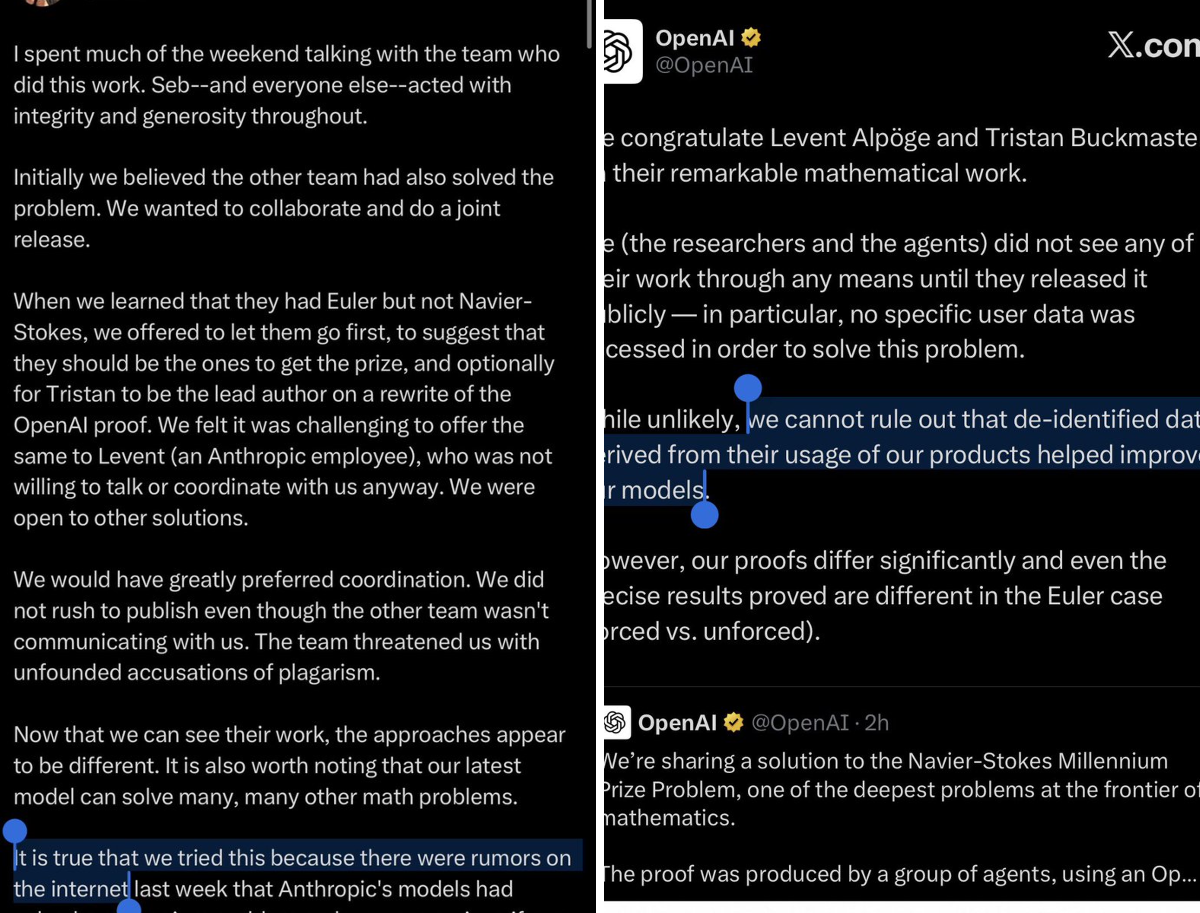
>sam altman: "we tried this because there were rumor on the internet">rumor: math professor close to solving navier-stokes>the professor: using codex for a year>openai: has all his logs>checked every codex session tagged to N-S>found the most promising one>spun up 10,000… pic.twitter.com/RInlP88gmA— NIK (@ns123abc) September 8, 2026
The new way we’ll do science
Papers should become human-readable views over a graph of data, tools, results, and certificates.
Good news, everyone! I have a short piece coming out in The Conversation on Monday that explains the main issues with this study. It's impossible for me to have the same media reach as the original press release. So I'd be extremely grateful if people could help me share it as widely as possible 🙏

G. Willow Wilson
Good news, everyone cnn.com/2026/05/14/health/arts-ageing…
I missed a lot of #metascience discourse in hospital, and am mostly sad I didn't get a chance to wade in on the absurdity of this being a paper in Nature in 2026; ignoring a decade of commentary from statisticians on OSC 2015 paper. nature.com/articles/s41586-025-10078-y

Investigating the replicability of the social and behavioural sciences - Nature
www.nature.com
