

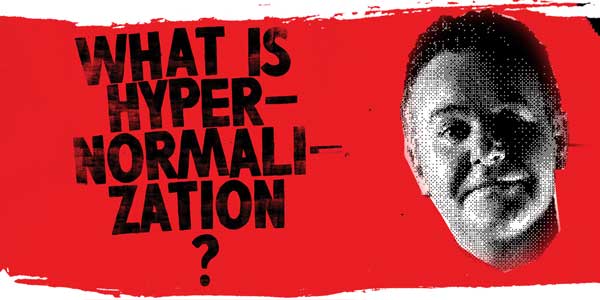
“HyperNormalisation” is a word that was coined by a brilliant Russian historian who was writing about what it was like to live in the last years of the Soviet Union.
Sollte der Krieg Russlands gegen die Ukraine die Epistemologie der Osteuropäischen Geschichte verändern und wenn ja, wie?
The short article argues for revitalizing historical research to questions of the longue durée and, in analogy to the New Imperial History, considers the emergence of a New National History possible. Above all, the article calls for a continued decolonialisation of Russian history and, in this context, also for a strengthening of the Ukraine and Belarus focus in research, teaching and language mediation as well as in the form of a German Historical Institute in Kyiv.
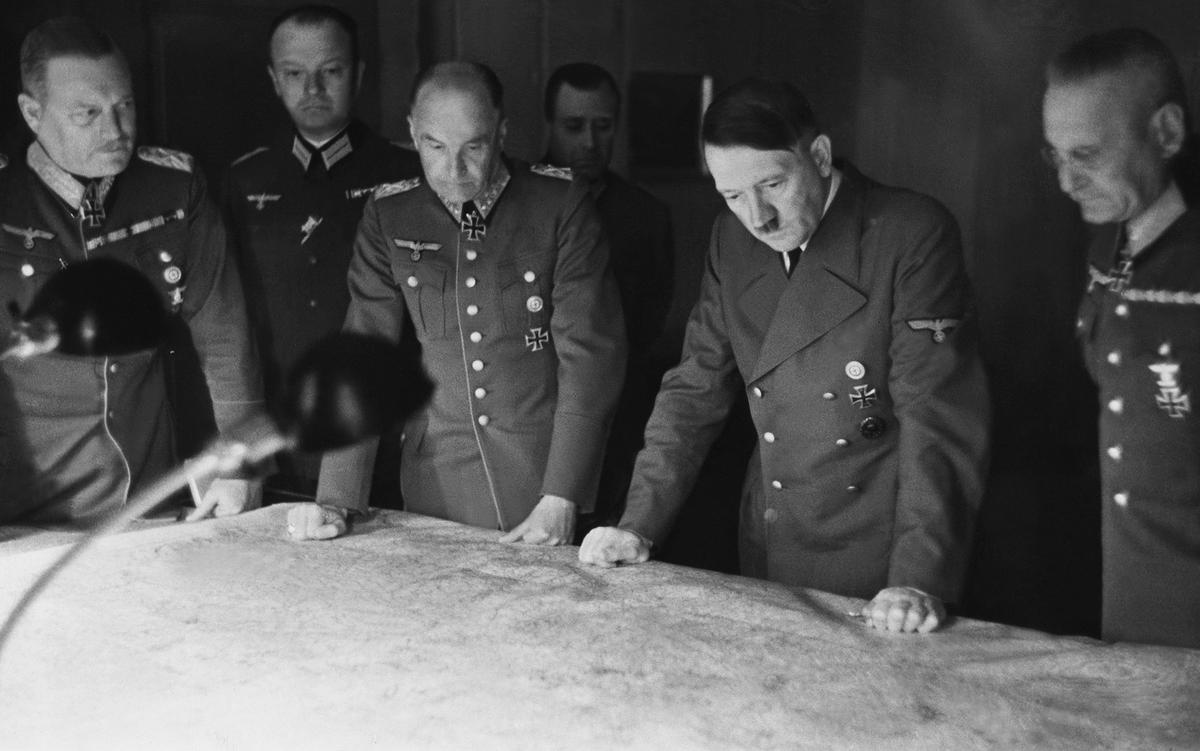
Hypernormalisation | Full Documentary | Adam Curtis
The Ukrainian Night: An Intimate History of Revolution. By Marci Shore. New Haven: Yale University Press, 2017. xxiv, 290 pp. Notes. Glossary. Maps. $26.00, hard bound.
//static.cambridge.org/content/id/urn%3Acambridge.org%3Aid%3Aarticle%3AS0037677918003200/resource/name/firstPage-S0037677918003200a.jpg

The Age of Neutralizations and Depoliticizations(1929)
We in Central Europe live under the eyes of the Russians. For a century their psychological gaze has seen through our great words and institutions. Their vitality is strong enough to seize our knowledge and technology as weapons. Their prowess in rationalism and its opposite, as well as their potential for good and evil in orthodoxy, is overwhelming. They have realized the union of Socialism and Slavism, which already in 1848 Donoso Cortes said would be the decisive event of the next century. This is our situation. We can no longer say anything worthwhile about culture and history without first becoming aware of our own cultural and historical situation.

Balkanization
Balkanization or Balkanisation is the process involving the fragmentation of an area, country, or region into multiple smaller, and often hostile, independent states. It is usually caused by differences in ethnicity, culture, religion, and geopolitical interests.

ГАЛЬВАНИЗАЦИЯ АВТОРА, ИЛИ ЭКСПЕРИМЕНТ С НЕЙРОННОЙ ПОЭЗИЕЙ. Борис Орехов. «Новый мир» №6, 2018
ГАЛЬВАНИЗАЦИЯ АВТОРА, ИЛИ ЭКСПЕРИМЕНТ С НЕЙРОННОЙ ПОЭЗИЕЙ. Борис Орехов. Журнал «Новый мир» №6, 2018
HYPER-REALITY
Hyper-Reality presents a provocative and kaleidoscopic new vision of the future, where physical and virtual realities have merged, and the city is saturated in media. by Keiichi Matsuda | http://km.cx more at http://hyper-reality.co

Russian Revolution becomes the property relations that are common to.
Are.na Hypernormalisation
Pull images and text from are.na channels and combine them into a strangely familiar documentary critique of late capitalism. Good for full-screen ambient displays, or just staring into the void.

Geopolitics is a loser’s buzzword with a contagious idea | Aeon Essays
The concept of geopolitics comes from German and Russian attempts to explain defeat and reverse loss of influence

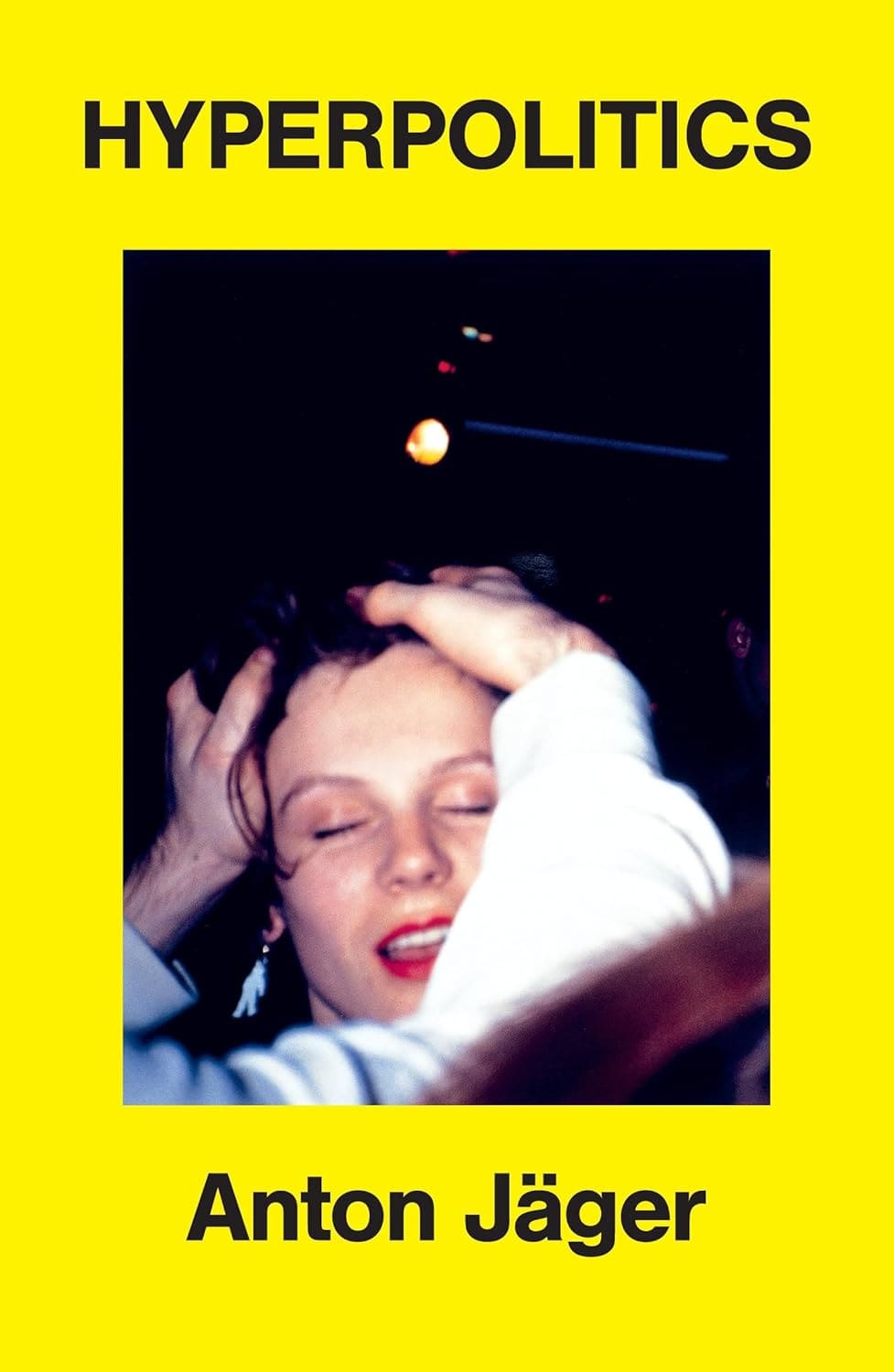
Hyperpolitics? Yes, Please • Protean Magazine
Alex Colston reviews Anton Jäger's "Hyperpolitics," filling in gaps in the book's short argument and arguing for the importance of political formations and activities independent of official political society.
Culture of the Confrontation, Maxim Dondyuk's photography
Ukrainian revolution brought new spirit, changed people & their minds, they became one organism that fight with a great passion and intensity for happy future.

Hyperscale computing
In computing, hyperscale is the ability of an architecture to scale appropriately as increased demand is added to the system.
Wrecking (crime)
Wrecking was a crime specified in the criminal code of the Soviet Union in the Stalin era. It is often translated as "sabotage"; however, "wrecking", "diversionist acts", and "counter-revolutionary sabotage" were distinct sub-articles of Article 58, and the meaning of "wrecking" is closer to "undermining".
