
Comprehension debt is the hidden cost to human intelligence and memory resulting from excessive reliance on AI and automation. For engineers, it applies most to agentic engineering.
The 80% Problem in Agentic Coding
Managing comprehension debt when leaning on AI to code
How Generative and Agentic AI Shift Concern from Technical Debt to Cognitive Debt
The term technical debt is often used to refer to the accumulation of design or implementation choices that later make the software harder and more costly to understand, modify, or extend over time...

We need more than a metaphor: here are testable diagnostics for comprehension debt
Do we understand our code? I think we need to get past symptoms and into causes. Here's a field-tested measure of one organizational condition that can erode comprehension (Overproduction Pressure) you can use to find out which world your team is living in.

Code Was Never the Asset - The Phoenix Architecture
Why AI makes the hidden economics of software unavoidable
AI overuse could spark "brain fry," new research finds
The mental strain associated with AI carries "significant costs," researchers find.

The AI productivity myth is more harmful than you think
Perceived productivity may be up thanks to AI, but there's debt collecting in the shadows.
The hidden cost of AI: In conversation with Professor Mark Graham
The hidden cost of AI: Countless humans toil in monotonous, low-paid jobs to power the algorithms behind our tech. Professor Mark Graham exposes this digital sweatshop, calling for accountability and worker rights.

The artificial intelligence disclosure penalty: Humans persistently devalue AI-generated creative writing.
AI can cost more than human workers now
When AI labs raise prices, big spending on AI could shift from a flex to a liability.

AI Companies Are Trying to Hide a Staggering Amount of Debt
AI companies are pouring tens of billions of dollars into enormous data centers. They're being built on top of a mountain of hidden debt.

OII | The Hidden Human Cost of AI: In conversation with Professor Mark Graham
Professor Mark Graham highlights the hidden human cost of AI and shares observations from his latest book 'Feeding the Machine: the Hidden Human Labour Powering AI'.


What AI coding costs you | Tom Wojcik
What's the effect of the prolonged AI usage among coders and is it tracked correctly, if it all?
Taking AI Welfare Seriously
In this report, we argue that there is a realistic possibility that some AI systems will be conscious and/or robustly agentic in the near future. That means that the prospect of AI welfare and moral patienthood, i.e. of AI systems with their own interests and moral significance, is no longer an issue only for sci-fi or the distant future. It is an issue for the near future, and AI companies and other actors have a responsibility to start taking it seriously. We also recommend three early steps that AI companies and other actors can take: They can (1) acknowledge that AI welfare is an important and difficult issue (and ensure that language model outputs do the same), (2) start assessing AI systems for evidence of consciousness and robust agency, and (3) prepare policies and procedures for treating AI systems with an appropriate level of moral concern. To be clear, our argument in this report is not that AI systems definitely are, or will be, conscious, robustly agentic, or otherwise morally significant. Instead, our argument is that there is substantial uncertainty about these possibilities, and so we need to improve our understanding of AI welfare and our ability to make wise decisions about this issue. Otherwise there is a significant risk that we will mishandle decisions about AI welfare, mistakenly harming AI systems that matter morally and/or mistakenly caring for AI systems that do not.

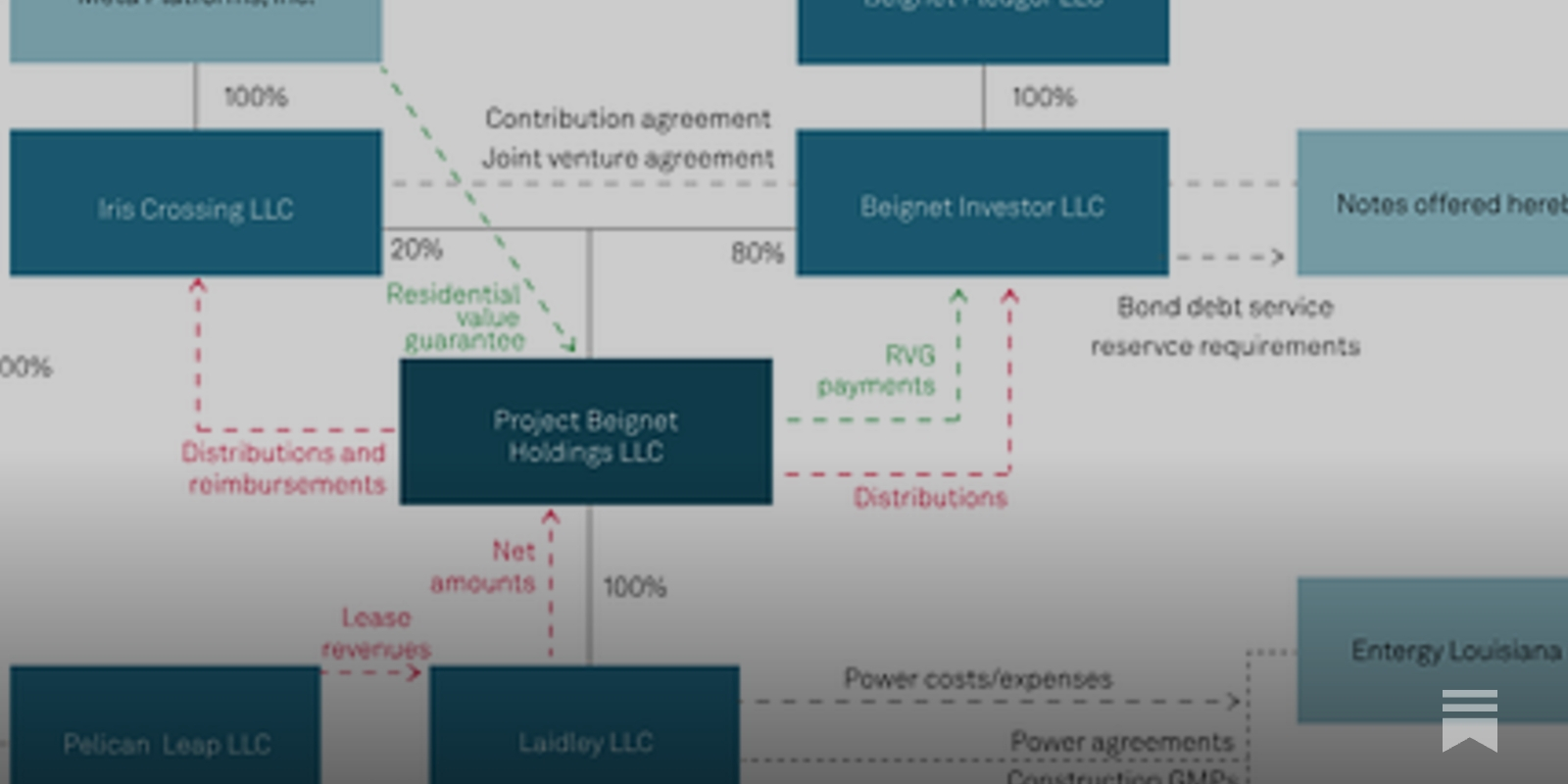
Unpacking the Mechanics of Conduit Debt Financing
Understanding the pass-through financing model behind the AI infrastructure boom
How to harness AI
"Coding agents" are complicated but intelligible