


This study provides new insights into how the soil microbiome of urban greenspaces differs from surrounding natural ecosystems.
Microbiome interplay: plants alter microbial abundance and diversity within the built environment
The built indoor microbiome has importance for human health. Residents leave their microbial fingerprint but nothing is known about the transfer from plants. Our hypothesis that indoor plants contribute substantially to the microbial abundance and diversity in the built environment was experimentally confirmed as proof of principle by analyzing the microbiome of the spider plant Chlorophytum comosum in relation to their surroundings. The abundance of Archaea, Bacteria, and Eukaryota (fungi) increased on surrounding floor and wall surfaces within 6 months of plant isolation in a cleaned indoor environment, whereas the microbial abundance on plant leaves and indoor air remained stable. We observed a microbiome shift: the bacterial diversity on surfaces increased significantly but fungal diversity decreased. The majority of cells were intact at the time of samplings and thus most probably alive including diverse Archaea as yet unknown phyllosphere inhabitants. LEfSe and network analysis showed that most microbes were dispersed from plant leaves to the surrounding surfaces. This led to an increase of specific taxa including spore-forming fungi with potential allergic potential but also beneficial plant-associated bacteria, e.g., Paenibacillus. This study demonstrates for the first time that plants can alter the microbiome of a built environment, which supports the significance of plants and provides insights into the complex interplay of plants, microbiomes and human beings.

Vivian Kaloxilos - Introduction to Living Soils - LSSM 2017
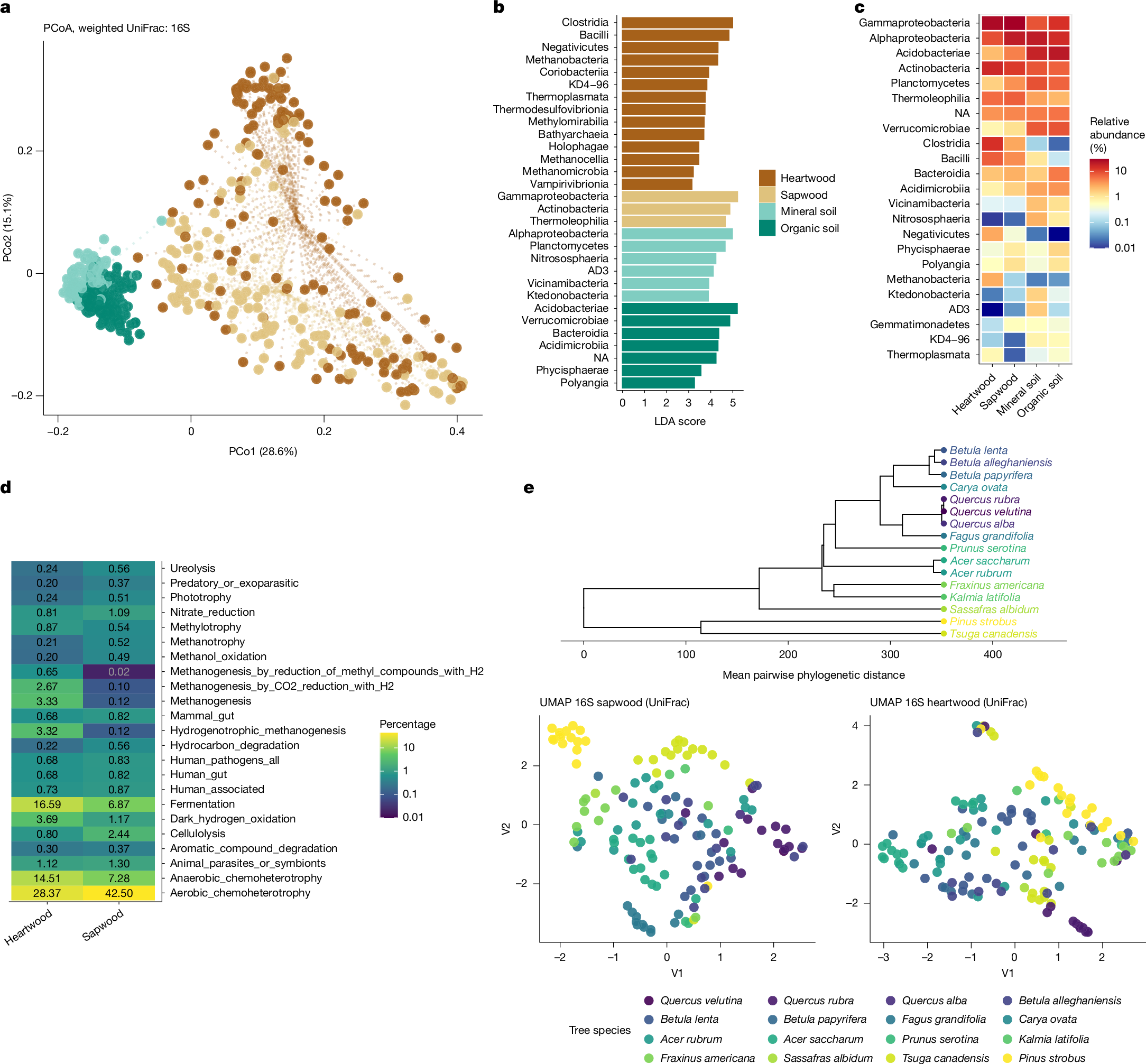
A diverse and distinct microbiome inside living trees
Nature - Microbiome analyses of living trees show that a single tree can host approximately one trillion bacteria, with microbial communities distinctly partitioned between heartwood and sapwood...
Benefits of Native Mycorrhizal Amendments to Perennial Agroecosystems Increases with Field Inoculation Density
Perennial polyculture cropping systems are a novel agroecological approach used to mirror some of the ecological benefits provided by native perennial ecosystems including increased carbon and nitrogen storage, more stable soils, and reduced anthropogenic input. Plants selected for perennial agroecosystems are often closely related to native perennials known to be highly dependent on microbiome biota, such as arbuscular mycorrhizal (AM) fungi. However, most plantings take place in highly disturbed soils where tillage and chemical use may have rendered the AM fungal communities less abundant and ineffective. Studies of mycorrhizal amendments include inoculation densities of 2–10,000 kg of inocula per hectare. These studies report variable results that may depend on inocula volume, composition, or nativeness. Here, we test the response of 19 crop plant species to a native mycorrhizal fungal community in a greenhouse and field experiment. In our field experiment, we chose eight different densities of AM fungal amendment, ranging from 0 to 8192 kg/hectare, representing conventional agricultural practices (no AM fungi addition), commercial product density recommendations, and higher densities more typical of past scientific investigation. We found that plant species that benefited from native mycorrhizal inocula in the greenhouse also benefited from inoculation in the field polyculture planting. However, the densities of mycorrhizal inocula suggested on commercial mycorrhizal products were ineffective, and higher concentrations were required to detect significant benefit plant growth and survival. These data suggest that higher concentrations of mycorrhizal amendment or perhaps alternative distribution methods may be required to utilize native mycorrhizal amendment in agroecology systems.

Researchers find connection between household chemicals and gut microbiome
A team of researchers for the first time has found a correlation between the levels of bacteria and fungi in the gastrointestinal tract of children and the amount of common chemicals found in their home ...

Tending the Body’s Microbial Garden (Published 2012)
As we learn more about the trillions of microbes we carry around, some scientists want to be like wildlife managers — nurturing the good and weeding out the bad.

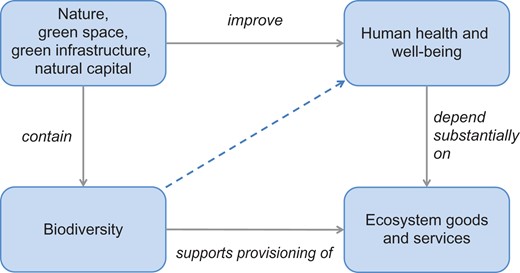
Biodiversity and human health: mechanisms and evidence of the positive health effects of diversity in nature and green spaces
AbstractIntroduction. Natural environments and green spaces provide ecosystem services that enhance human health and well-being. They improve mental health
List of Dr. RedHawk's Epic Soil Series Threads (soil forum at permies)
( This is a list of--hopefully--all of Bryant RedHawk's awesome threads about soil microbiology. Is it dirt or is it soil?
List of Dr. RedHawk's Epic Soil Series Threads (soil forum at permies)
( This is a list of--hopefully--all of Bryant RedHawk's awesome threads about soil microbiology. Is it dirt or is it soil?
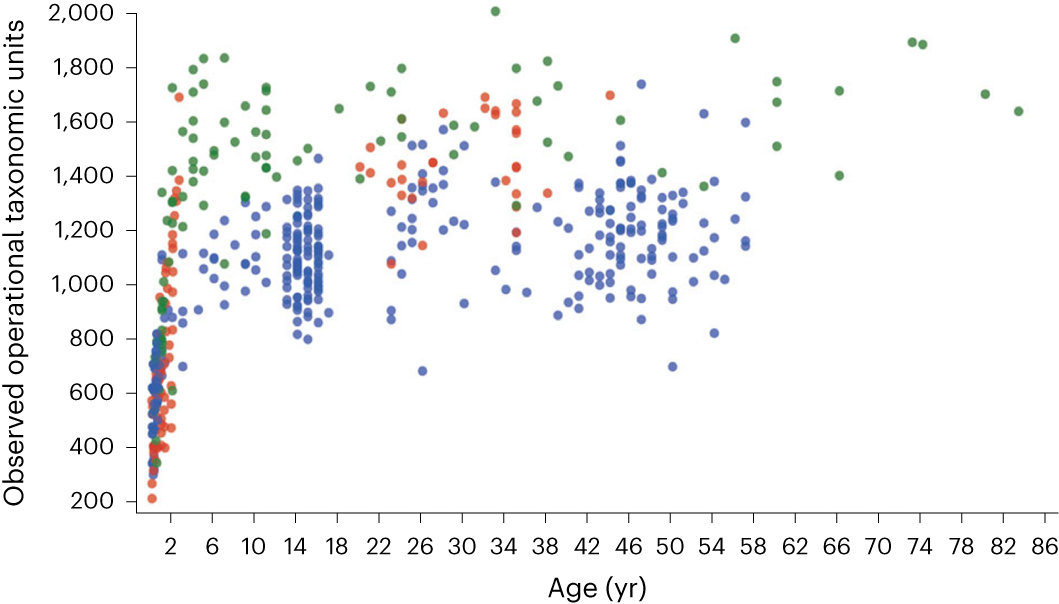
Gut microbiome atlas maps how bacteria establish themselves and shift in inflammatory bowel disease
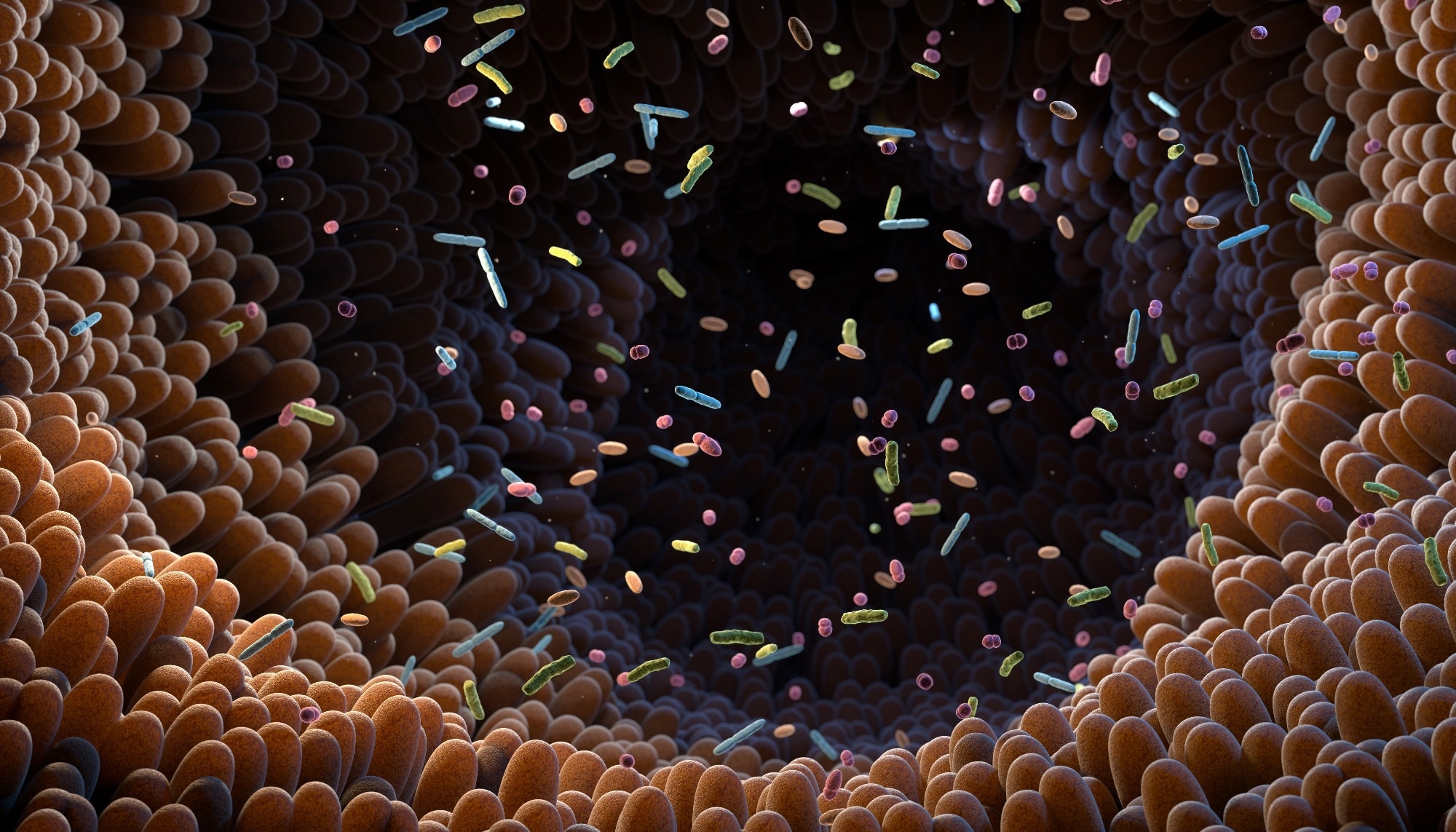
Researchers created a microbiome-wide atlas mapping more than seven million colonization factor genes across 4,716 human gut microbial species, revealing three putative strategies linked to metabolism, stress resistance, and microbial communication. Applying the framework to inflammatory bowel disease showed that colonization-factor profiles can provide a compact, biologically interpretable view of disease-associated microbiome changes.
The Roots of Your Profits - Dr Elaine Ingham, Soil Microbiologist, Founder of Soil Foodweb Inc
Human microbiome myths and misconceptions
Over the past two decades, interest in human microbiome research has increased exponentially. Regrettably, this increased activity has brought with it a degree of hype and misinformation, which can undermine progress and public confidence in the research. Here we highlight selected human microbiome myths and misconceptions that lack a solid evidence base. By presenting these examples, we hope to draw increased attention to the implications of inaccurate dogma becoming embedded in the literature, and the importance of acknowledging nuance when describing the complex human microbiome.
How Do Fungi Keep the Planet Healthy? | Quanta Magazine
Evolutionary biologist Toby Kiers explains how fungal networks in soil trade nutrients with plants, help keep carbon underground, and strike bargains without having a brain.
Absolutely wasted: the inner-city garden using food scraps to create top grade soil
An urban compost project has fostered an ingenious way to turn all kinds of waste food into fertiliser
Scientists bust myth that our bodies have more bacteria than human cells
Decades-old assumption about microbiota revisited.

