

From a broken life to a broken nail, ‘trauma’ has been bleached by overuse. But it names something real – and must be reclaimed
To build gentler technology, practice trauma-informed design
Understanding trauma helps craft gentler user experiences.

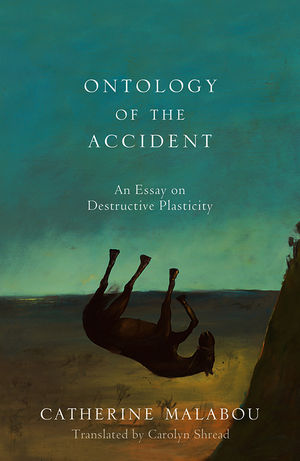
Ontology of the Accident: An Essay on Destructive Plasticity
In the usual order of things, lives run their course and eventually one becomes who one is. Bodily and psychic transformations do nothing but reinforce the permanence of identity. But as a result of serious trauma, or sometimes for no reason at all, a subject’s history splits and a new, unprecedented persona comes to live with the former person - an unrecognizable persona whose present comes from no past and whose future harbors nothing to come; an existential improvisation, a form born of the accident and by accident. Out of a deep cut opened in a biography, a new being comes into the world for a second time. <br /> <br /> What is this form? A face? A psychological profile? What ontology can it account for, if ontology has always been attached to the essential, forever blind to the <i>aléa</i> of transformations? What history of being can the plastic power of destruction explain? What can it tell us about the explosive tendency of existence that secretly threatens each one of us?<br /> <br /> Continuing her reflections on destructive plasticity, split identities and the psychic consequences experienced by those who have suffered brain injury or have been traumatized by war and other catastrophes, Catherine Malabou invites us to join her in a philosophic and literary adventure in which Spinoza, Deleuze and Freud cross paths with Proust and Duras.
Ontology of the Accident: An Essay on Destructive Plasticity
In the usual order of things, lives run their course and eventually one becomes who one is. Bodily and psychic transformations do nothing but reinforce the permanence of identity. But as a result of serious trauma, or sometimes for no reason at all, a subject’s history splits and a new, unprecedented persona comes to live with the former person - an unrecognizable persona whose present comes from no past and whose future harbors nothing to come; an existential improvisation, a form born of the accident and by accident. Out of a deep cut opened in a biography, a new being comes into the world for a second time. <br /> <br /> What is this form? A face? A psychological profile? What ontology can it account for, if ontology has always been attached to the essential, forever blind to the <i>aléa</i> of transformations? What history of being can the plastic power of destruction explain? What can it tell us about the explosive tendency of existence that secretly threatens each one of us?<br /> <br /> Continuing her reflections on destructive plasticity, split identities and the psychic consequences experienced by those who have suffered brain injury or have been traumatized by war and other catastrophes, Catherine Malabou invites us to join her in a philosophic and literary adventure in which Spinoza, Deleuze and Freud cross paths with Proust and Duras.
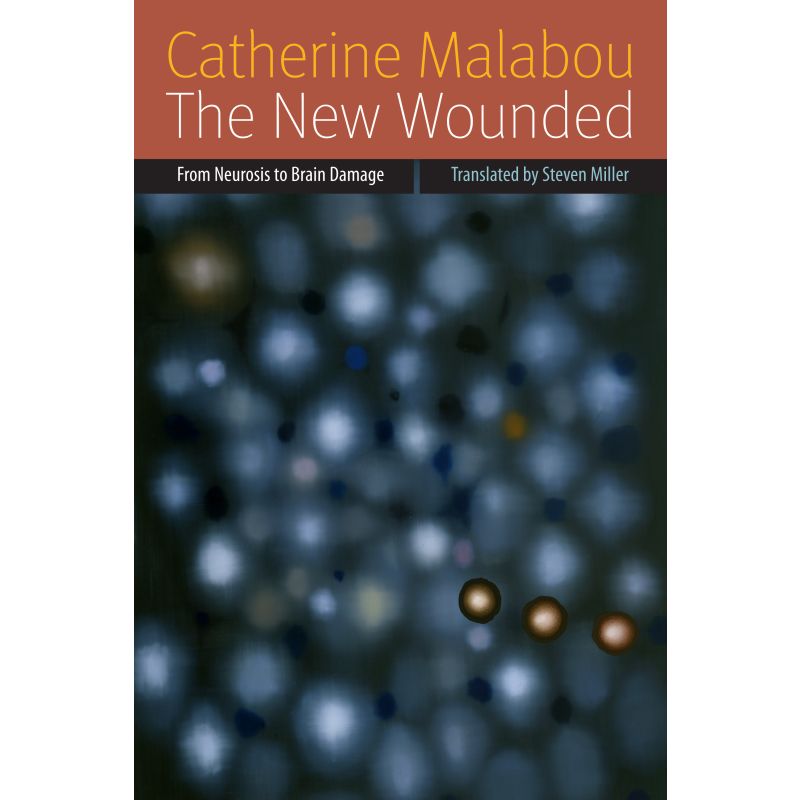
The New Wounded
This book addresses the issue of trauma and psychic wounds to stage a confrontation between psychoanalysis and contemporary neurobiology. In so doing, it reevaluates the brain as an organ that is not separated from psychic life but rather appears as its very locus. A philosophical approach of the “new wounded” (brain lesion patients) forms the matter of the confrontation.
What About the Rapists and Murderers?
Trigger warning: rape, sexual assault, murder, torture, ablelism, trauma.

Kids in ICE Detention Up 10x in Trump’s Second Term
Advocates warn trauma from detentions will cause kids lifelong damage.
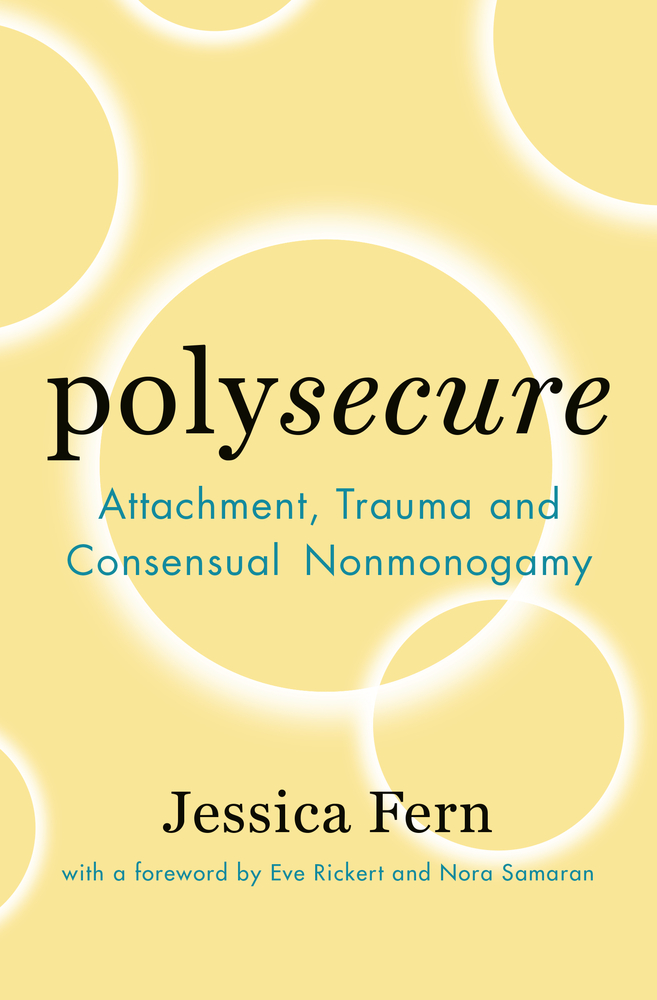
Polysecure: Attachment, Trauma and Consensual Nonmonoga…
Attachment theory has entered the mainstream, but most …
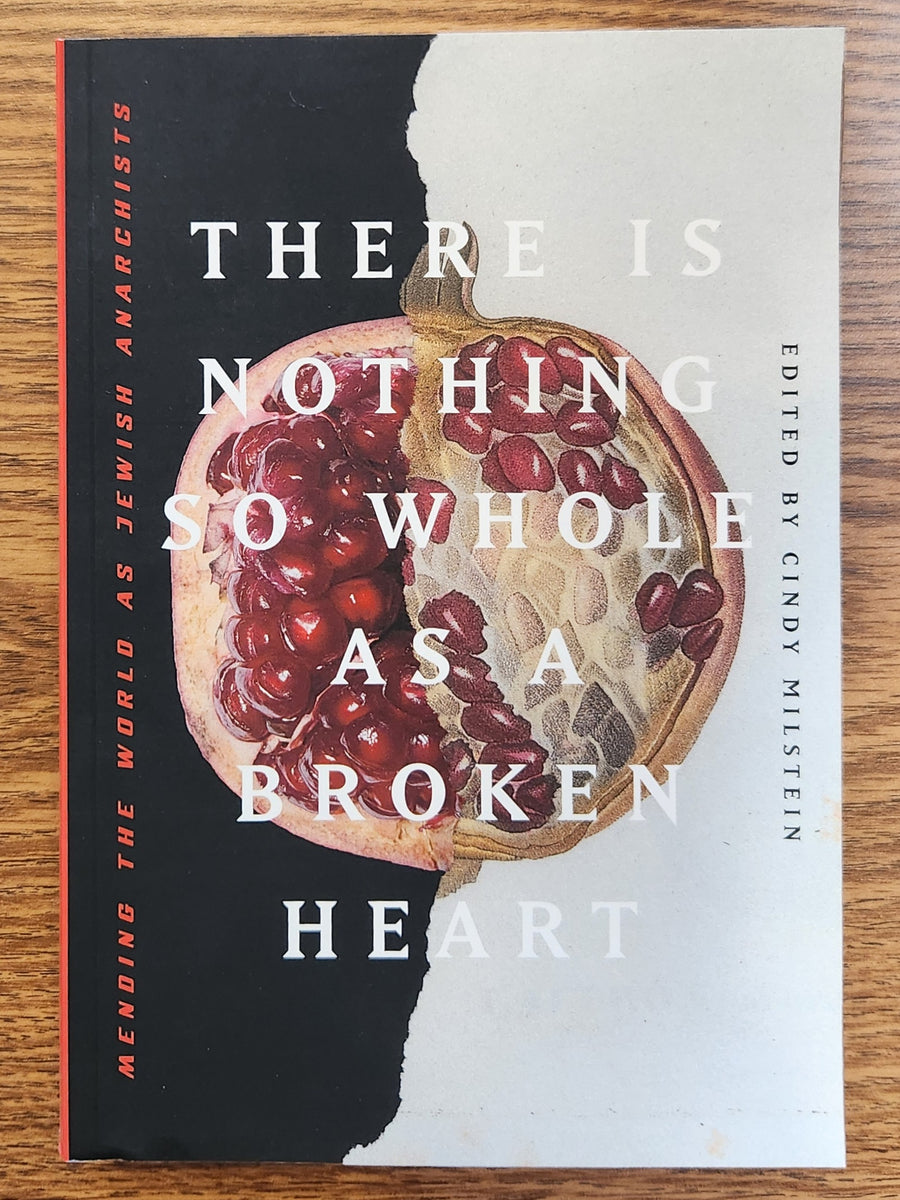
There Is Nothing So Whole as a Broken Heart
By Cindy Milstein Published by AK Press, 2021 392 pages, paperback The contemporary renewal of Jewish anarchism draws on a history of enslavement, displacement, white supremacy, and genocide as well as ancestral resistance, strength, imagination, and humor—wisdom that is sorely needed today. Through stories at once poetic and poignant, There Is Nothing So Whole as a Broken Heart offers a powerful elixir for all who rebel against systemic violence and injustice. The contemporary renewal of Jewish anarchism draws on a history of suffering, ranging from enslavement and displacement to white nationalism and genocide. Yet it also pulls from ancestral resistance, strength, imagination, and humor—all qualities, and wisdom, sorely needed today. These essays, many written from feminist and queer perspectives, journey into past and contemporary trauma in ways that are humanizing and healing. They build bridges from bittersweet grief to rebellion and joy. And via concrete illustrations of how Jewish anarchists lovingly transform their own ritual, cultural, and political practices, they clearly illuminate the path toward mending ourselves and the world. Praise for There Is Nothing So Whole as a Broken Heart... "There Is Nothing So Whole as a Broken Heart is a breathtaking kaddish to everyone living the revolutionary vision that Jewish radicals dreamed was possible. It drives to the heart of a tradition that we must rediscover, a story that is simultaneously particular and universal: we can survive if we do it together." —Shane Burley, author of Why We Fight: Essays on Fascism, Resistance, and Surviving the Apocalypse "In this moment of resurgent fascism and authoritarianism, the foundational relationship between antisemitism and anti-Blackness is more stark and apparent than ever. The vibrancy of this collection articulates not only a foundation for solidarity in shared struggles against white supremacy but also the vast imaginaries and world-making potential in the diversity of Jewish cultural expression and radical—specifically anarchist—thought. As a Black anarchist, I could not be more grateful for the generosity, vulnerabilities, and fierce, unwavering love for humanity shared within these pages." —Zoé Samudzi, coauthor of As Black as Resistance: Finding the Conditions for Liberation “The texts collected here are striking in their literary richness and emotional openness, awakening both pain and solace, insights and further questions . . . A highly rewarding reading experience that will appeal well beyond the Jewishanarchist intersection.” —Uri Gordon, co-editor of The Routledge Handbook of Radical Politics "There Is Nothing So Whole as a Broken Heart offers an ardent new archive of Jewish anarchism. These voices expand a defiant tradition: they speak of the disruptiveness of care, the labor of grief, and the pleasures of survival. As fascism and antisemitism rise, these poets, rabbis, and organizers urgently reach for another world through this one." —AE Torres, author of Horizons Blossom, Borders Vanish: Anarchism and Yiddish Literature "This book asks how modern generations of Jewish anarchists are wrestling with rising fascism, white supremacy, and antisemitism, and lifts up the specific cultural tools we bring to the work of mending (or maybe reimagining) the ever-shattering world. Today the book is a mirror; tomorrow, a new window into the archive of Jewish anarchists throughout history." —Ezra Berkley Nepon, author of Justice, Justice Shall You Pursue: A History of New Jewish Agenda "As leftist Jewish thought and organizing today witnesses a resurgence, this collection provides an important document of its anarchist current." —Treyf Podcast “A poem and a love note, a prayer song and a protest, an attempt to mend a burning world with the best of Jewish, anarchist, and Jewish anarchist traditions.” —Dan Berger, author of Captive Nation: Black Prison Organizing in the Civil Rights Era "There is Nothing So Whole as a Broken Heart is a powerful celebration of ritual—both Jewish and anarchist."—Gabriel Moshenska for Jewish Socialist
Little Boy: The Arts of Japan’s Exploding Subculture
Society cannot recover from such an epic scale of devastation - the atomic bombs dropped on Hiroshima and three days later on Nagasaki on August 9, 1945 - but may, instead, manifest trauma as a perpetual genetic scar—ontological chasm which moves as a consumptive demon ripping up through the generations as a peripatetic wound, egregious disfigurement banished from conscious thought, inflating to cartoon benignity in a pantomime of humanity, sutured gash badly sewn and always reopening, futile replacement of scarred mortality for the immaculate technology of machines, and finally as the wholesale abandonment of frail humanity for alternative existential states.
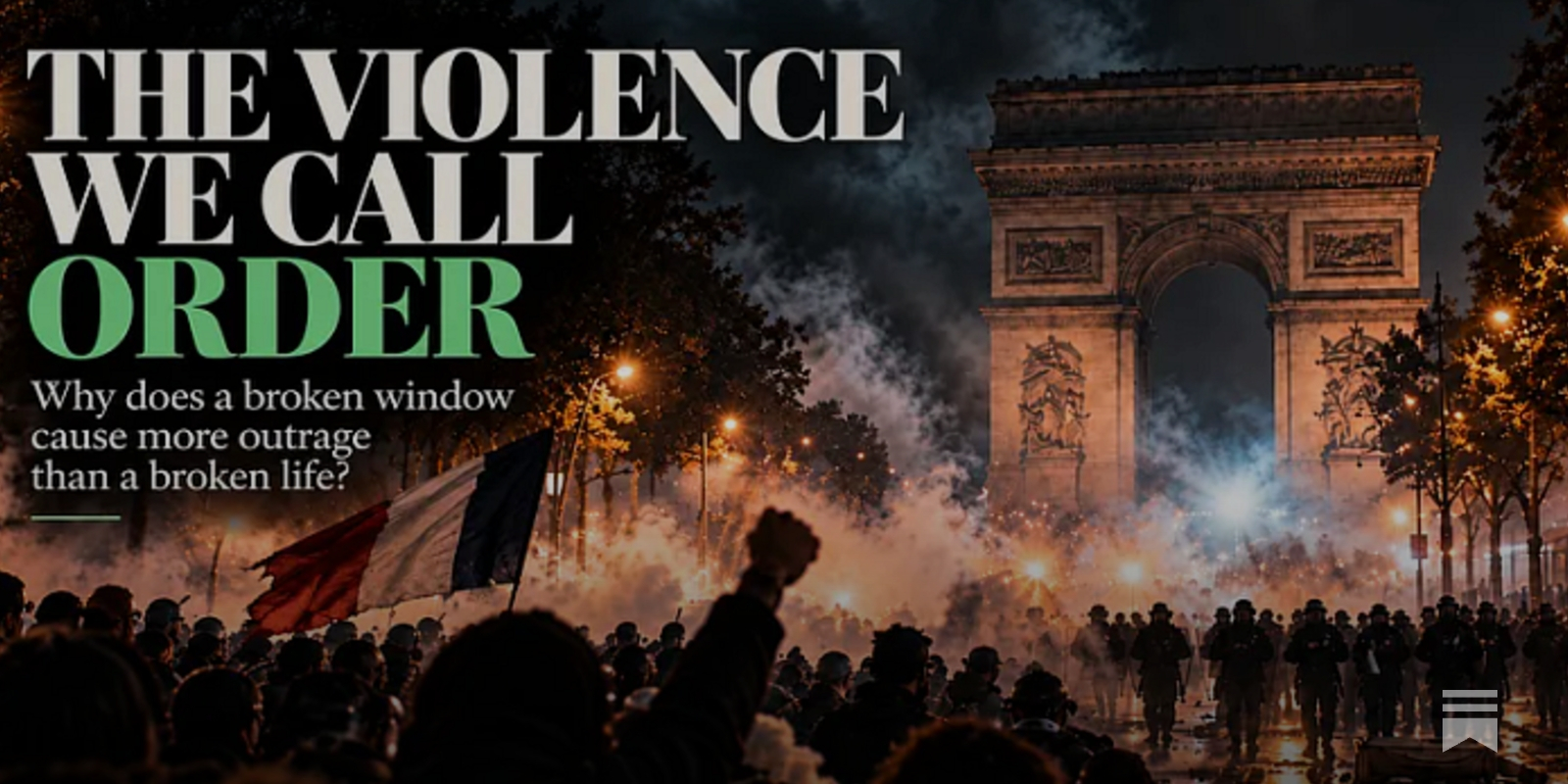
The Violence We Call Order
Why does a broken window cause more outrage than a broken life?
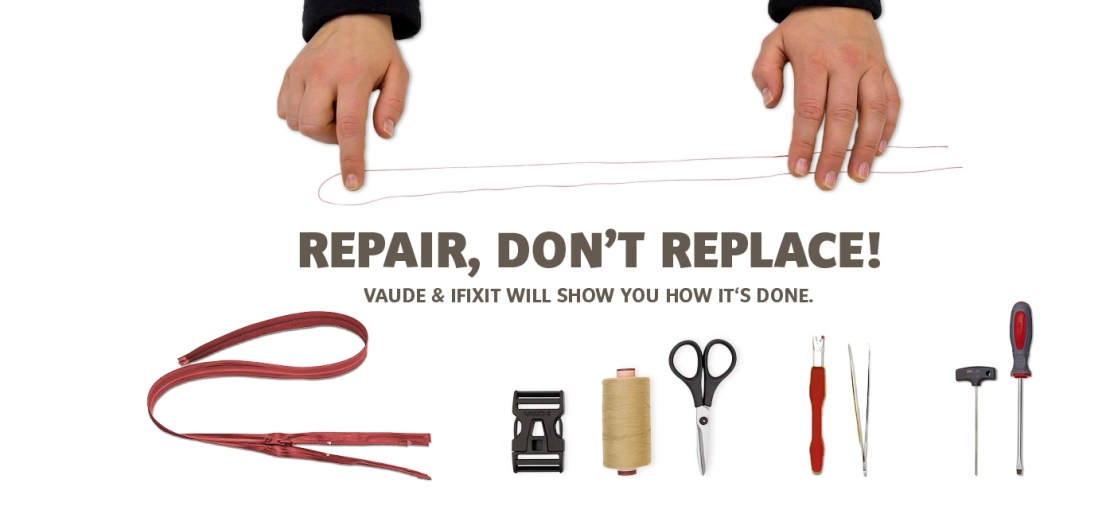
Repair Culture: Learning to Fix Instead of Replace – Wayfinders Now – Living small to gain abundance.
Repair culture is the growing mindset of choosing to fix what’s broken instead of immediately replacing it. It challenges a habit that has become almost automatic in modern life: when something stops working, we discard it. A new phone, a new appliance, a new chair, a new everything. Repair culture asks a quieter question: What […]
Trauma Junkie
[First place winner in the Synapse Storytelling Contest for Fiction.] It’s Christmastime, and over the hills, in the faraway furrows of one of those endless tracts of half-submerged land, a main battle tank sits in a ditch, decomposing, festering. My tank. But the neighborhood seems to have forgotten, here in the shadow of the old Hospital, that shining ziggurat high above. An aspiration, once — and an obligation.
machines will never understand language
I thought language was too complicated for machines to understand, until I got sick. a lifelong, meandering journey of parsing, learning, and fixing my broken body.
“To add insult to injury, many metaphorical … phrases (especially used to describe ANNs; see Table 1) — like train, learn, hallucinate, reason — are applied to machines and result in distorting how we perceive these machines: humanising them while dehumanising us” zenodo.org/records/17065099 14/🧵
