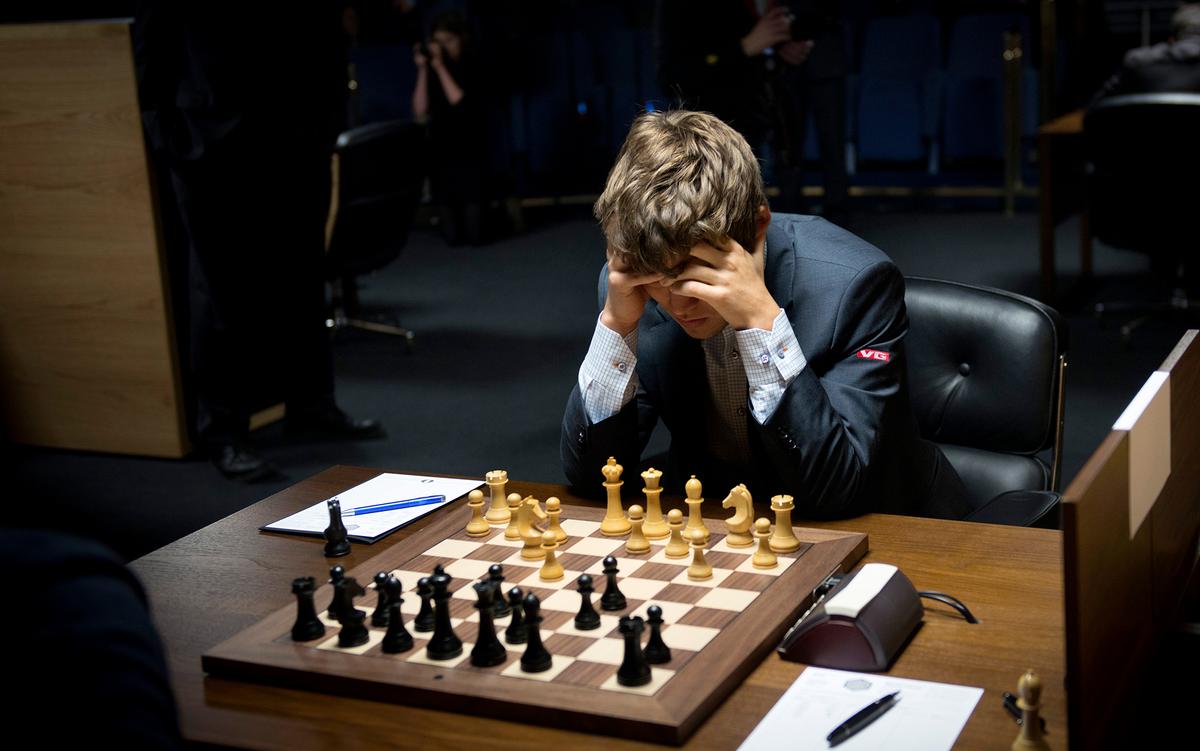
The challenge of chess – learning how to hold complexity in mind and still make good decisions – is also the challenge of life
How To Think
Read this article to discover how chess is used to teach people how to think. "It’s uncomfortable to focus so intensely on what you’re bad at."

Amateur Chess Is Mostly Tactics and That's Unfortunate For Me - Chess Forums
When someone asks whether tactics or positional play is more important in chess the typical answer is that they are equally important. And this is true if we are to define chess as played by the best players. However chess is not played this way by everyone. Amateur chess is filled with tactical errors...
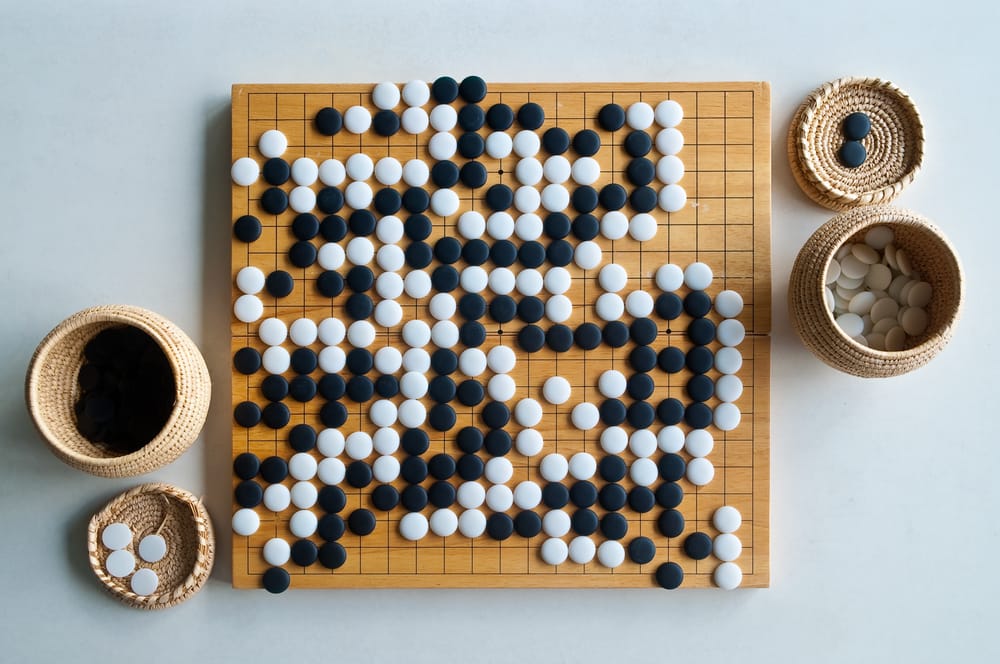
In an Ancient Game, Computing's Future (Published 2002)
Go is game of such depth and complexity that no computer has yet been able to achieve level of skill beyond that of casual player; game described; programmers see it as more accurate than chess in reflecting ways in which human mind works, and challenge of programming computer to mimic human process goes to core of artificial intelligence; developments in analyzing game and programming it discussed; photos (M)

Play is doing its work even if we’re not keeping score | Aeon Essays
We are most human when we play freely, imaginatively, pointlessly. Gamification risks atrophying that most precious capacity

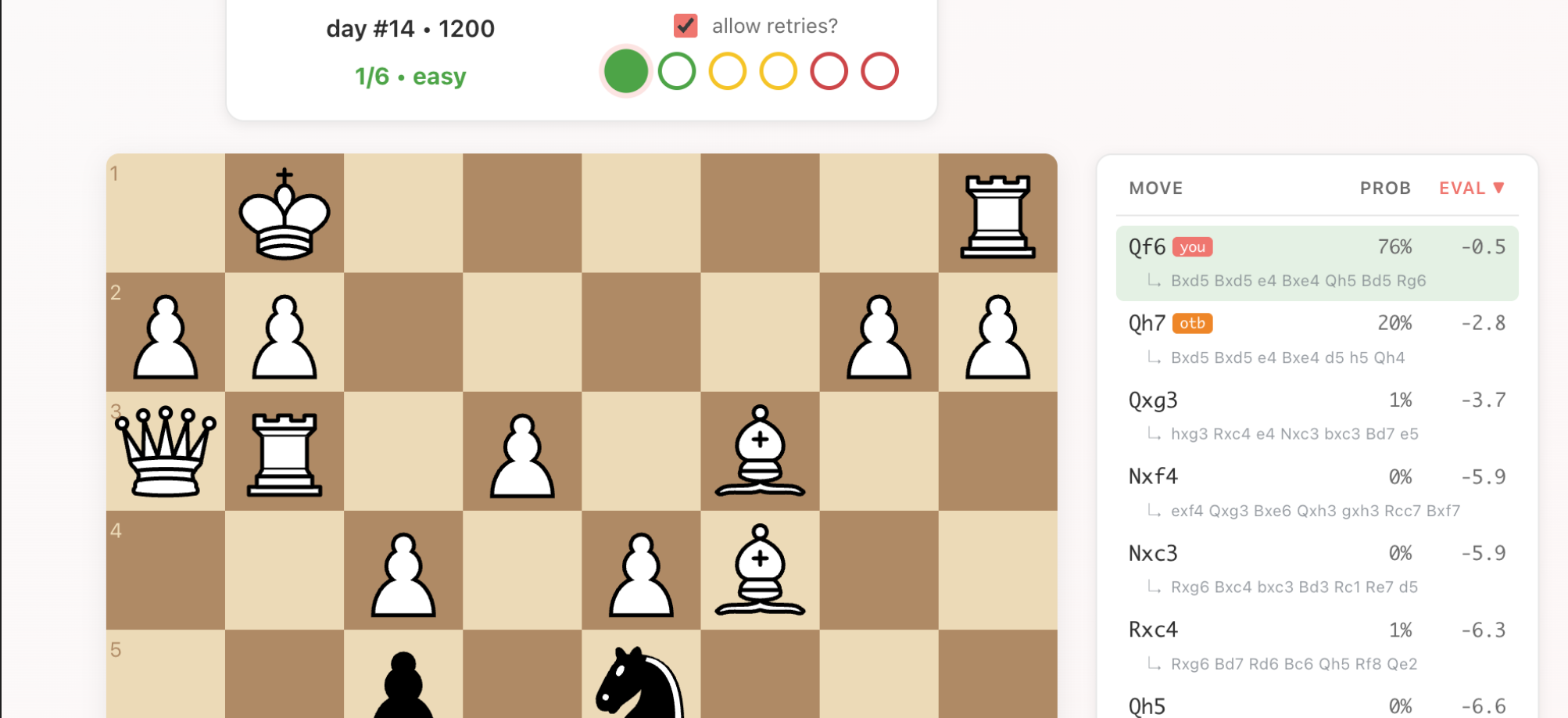
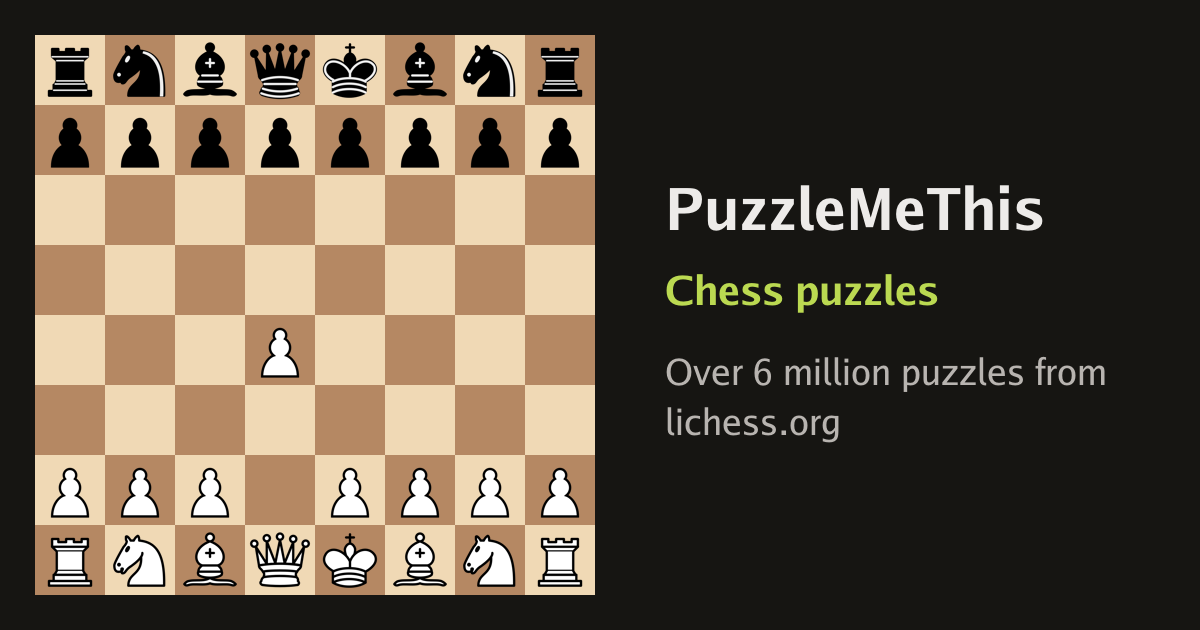
PuzzleMeThis — chess puzzles, ranked
Solve Lichess chess tactics and climb the ranked leaderboard.
Bridging the human–AI knowledge gap through concept discovery and transfer in AlphaZero
AI systems have attained superhuman performance across various domains. If the hidden knowledge encoded in these highly capable systems can be leveraged, human knowledge and performance can be advanced. Yet, this internal knowledge is difficult to extract. Due to the vast space of possible internal representations, searching for meaningful new conceptual knowledge can be like finding a needle in a haystack. Here, we introduce a method that extracts new chess concepts from AlphaZero, an AI system that mastered chess via self-play without human supervision. Our method excavates vectors that represent concepts from AlphaZero’s internal representations using convex optimization, and filters the concepts based on teachability (whether the concept is transferable to another AI agent) and novelty (whether the concept contains information not present in human chess games). These steps ensure that the discovered concepts are useful and meaningful. For the resulting set of concepts, prototypes (chess puzzle–solution pairs) are presented to experts for final validation. In a preliminary human study, four top chess grandmasters (all former or current world chess champions) were evaluated on their ability to solve concept prototype positions. All grandmasters showed improvement after the learning phase, suggesting that the concepts are at the frontier of human understanding. Despite the small scale, our result is a proof of concept demonstrating the possibility of leveraging knowledge from a highly capable AI system to advance the frontier of human knowledge; a development that could bear profound implications and shape how we interact with AI systems across many applications.

Jevons Paradox: A personal perspective
What if the most game-optimal play in the new system is actually to become relentlessly, unapologetically you?
Thanks For Ruining Another Game Forever, Computers
In 2006, after visiting the Computer History Museum’s exhibit on Chess, I opined: We may have reached an inflection point. The problem space of chess is so astonishingly large that incremental increases in hardware speed and algorithms are unlikely to result in meaningful gains from here on out. So.
Thinking Fast, Slow, Artificially: AI and Your Brain
AI can boost your decisions — or quietly undermine them. Wharton researchers introduce a new theory of cognition that every leader needs to understand.

The Busy Person's Guide to Thinking
Thinking better isn't about learning more; it's about doing a few simple things that really help create unstoppable progress.