

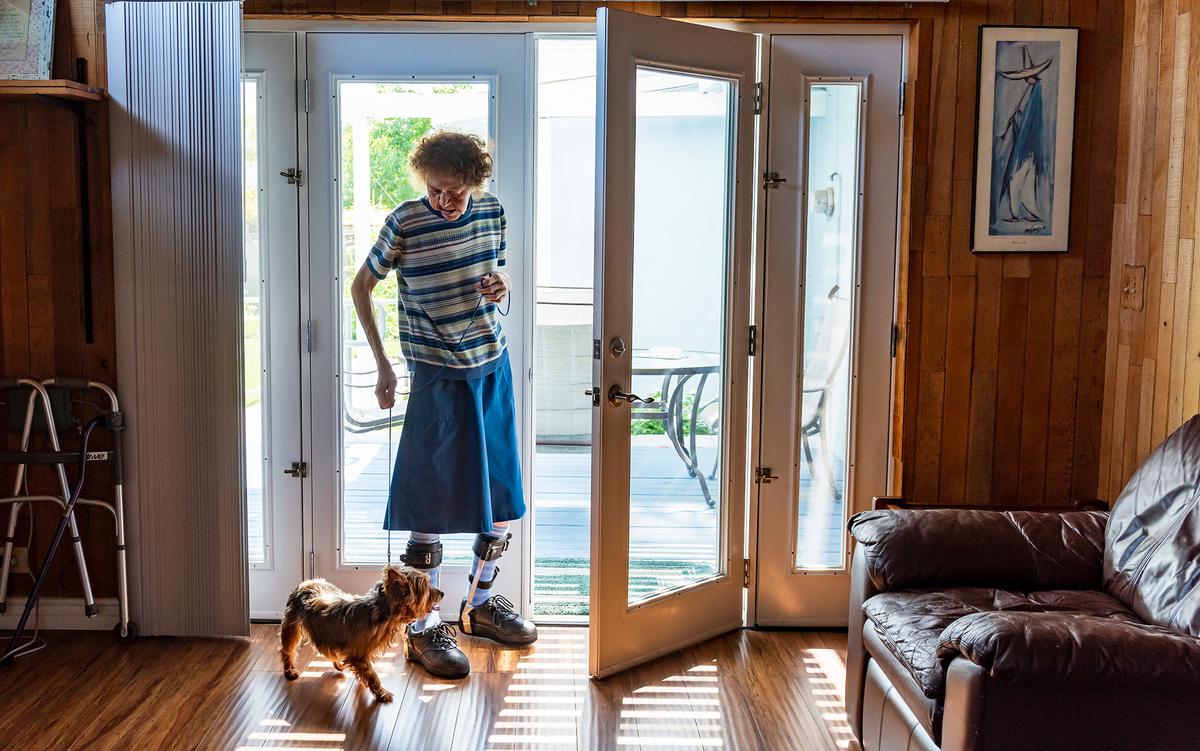
As a society we are failing people with severe, persistent mental illness. It’s time to reimagine institutional care
Evidence grows that mental illness is more than dysfunction | Aeon Essays
Evidence is growing that mental illness is more than dysfunction, with enormous implications for treatment
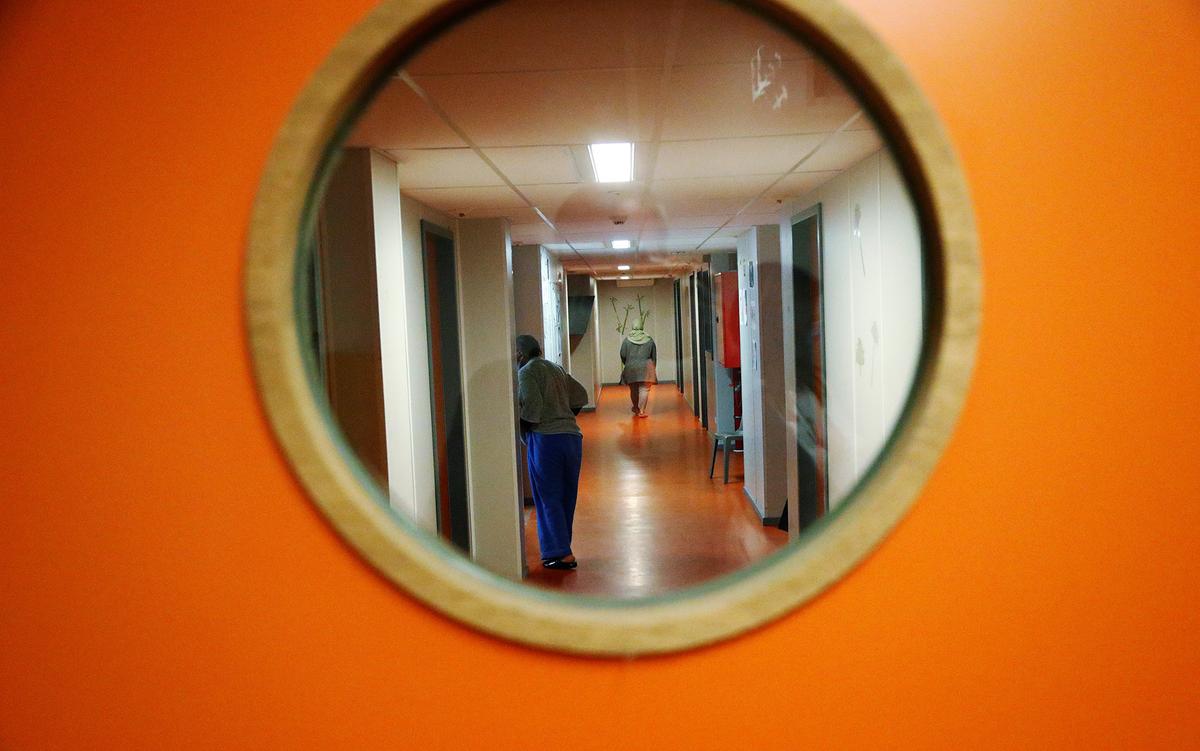
It is time for a community approach to mental health
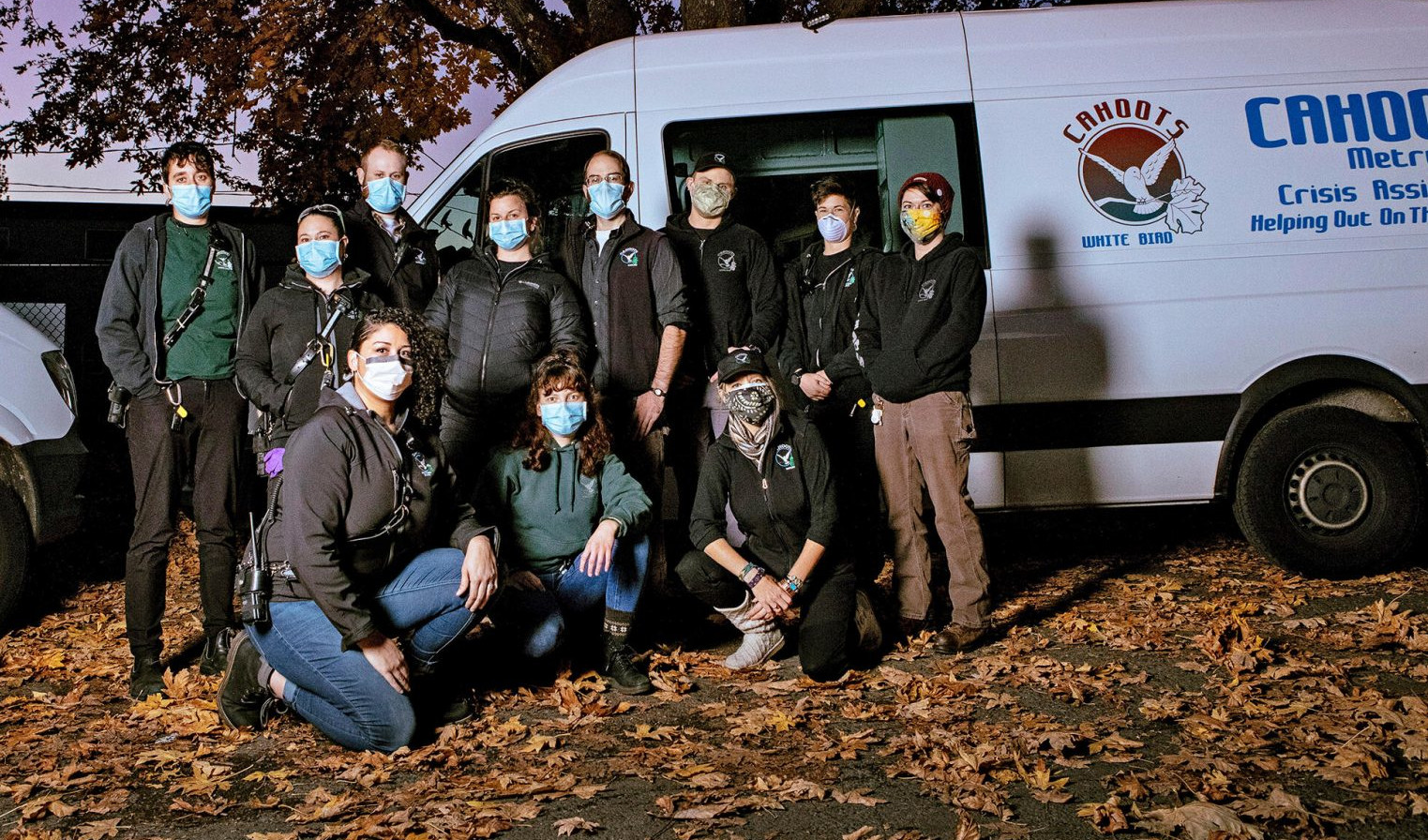
Abolitionists and mental health advocates in the US are working to replace both police and psychiatry by reimagining how we respond to mental health crisis.
Study Paints Somber Picture of U.S. Mental Health Status and Access to Care
/PRNewswire-USNewswire/ -- More Americans than ever before suffer from serious psychological distress, and the country's ability to meet the growing demand for...

Mental Wealth
TL;DR • When it comes to mental health, our society approaches it like we did with physical health 50 years ago. We only think about it when something goes wrong. • To the wider public, mental heal…

What do we know about how to support mental health and wellbeing during the COVID-19 pandemic from past infectious disease epidemics? - DEP
Is forced treatment for the mentally ill ever humane? | Hacker News
When on her medications, she is a relatively pleasant & rational person, usually able to hold an entry-level job.
Legion's Take on Treating Mental Illness Is a Unique One
Despite the fact that schizophrenia is often very difficult to diagnose and is widely considered to be a very uncommon mental condition, it’s one of the

Mental Health - Platform | The Australian Greens
If you’ve ever struggled to access mental health care, you’re not alone.

Who Gets to Define Human Suffering?
As psychiatry concedes long-standing criticisms of diagnosis, a deeper question emerges: What now justifies its authority over human suffering?

AI for Proactive Mental Health: A Longitudinal, Multi-Institutional Trial
Young adults today face unprecedented mental health challenges, yet many hesitate to seek support due to barriers such as accessibility, stigma, and time constr

Mental illness in the workplace: Ask for help early, lawyers say | CBC News
Employers are required to help workers who are dealing with a mental illness or disability. But legal experts say it's important to disclose an illness early — and sometimes to even tell an employer a little more than they strictly need to know.

Mitchell Hashimoto (@mitchellh)
I strongly believe there are entire companies right now under heavy AI psychosis and its impossible to have rational conversations about it with them. I can't name any specific people because they include personal friends I deeply respect, but I worry about how this plays out. I lived through the great MTBF vs MTTR (mean-time-between-failure vs. mean-time-to-recovery) reckoning of infrastructure during the transition to cloud and cloud automation. All those arguments are rearing their ugly heads again but now its... the whole software development industry (maybe the whole world, really). It's frightening, because the psychosis folks operate under an almost absolute "MTTR is all you need" mentality: "its fine to ship bugs because the agents will fix them so quickly and at a scale humans can't do!" We learned in infrastructure that MTTR is great but you can't yeet resilient systems entirely. The main issue is I don't even know how to bring this up to people I know personally, because bringing this topic up leads to immediately dismissals like "no no, it has full test coverage" or "bug reports are going down" or something, which just don't paint the whole picture. We already learned this lesson once in infrastructure: you can automate yourself into a very resilient catastrophe machine. Systems can appear healthy by local metrics while globally becoming incomprehensible. Bug reports can go down while latent risk explodes. Test coverage can rise while semantic understanding falls. Changes happens so fast that nobody notices the underlying architecture decaying. I worry.
10 Ways to ‘Reach Out’ When You’re Struggling With Your Mental Health
Give people the chance to help you. Give people the chance to surprise you. You deserve that — and my friend did, too.

AI for Proactive Mental Health: A Multi-Institutional, Longitudinal, Randomized Controlled Trial
Young adults today face unprecedented mental health challenges, yet many hesitate to seek support due to barriers such as accessibility, stigma, and time constr
One in 5 COVID-19 patients develop mental illness within 90 days - study
Many COVID-19 survivors are likely to be at greater risk of developing mental illness, psychiatrists said on Monday, after a large study found 20% of those infected with the coronavirus are diagnosed with a psychiatric disorder within 90 days.

Who listens when mental health struggles disrupt daily life?
Ask a Bangladeshi newspaper reader to picture a mental health story. Perhaps a psychiatrist’s quote comes to mind, a helpline number, or a headline about a student’s death.
