


A radical concept called ergodicity at the heart of economics could change our approach to risk for the benefit of all
Ergodicity Economics – Formal economics without parallel universes
Does the way we look at a problem – over time or across an ensemble – change what we see? The main insight from Ergodicity Economics is that when ergodicity […]
Exocapitalism: economies with absolutely no limits
There is a touch of destiny with this one. We have real…

Power: A Primer for Perplexed Economists
Let's Assume an Unfettered Marketplace of Ideas! Or Actually, Let's Not.
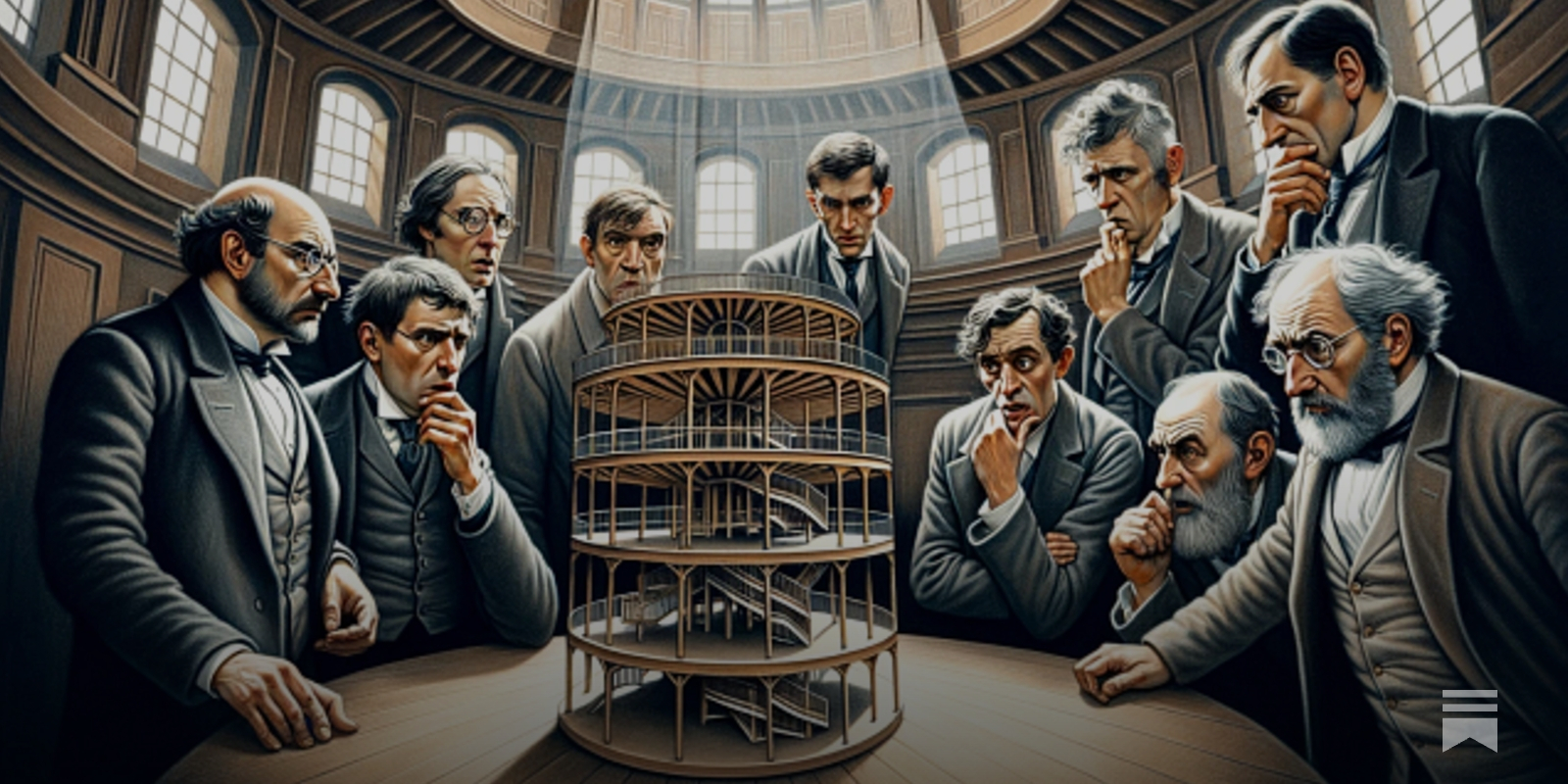
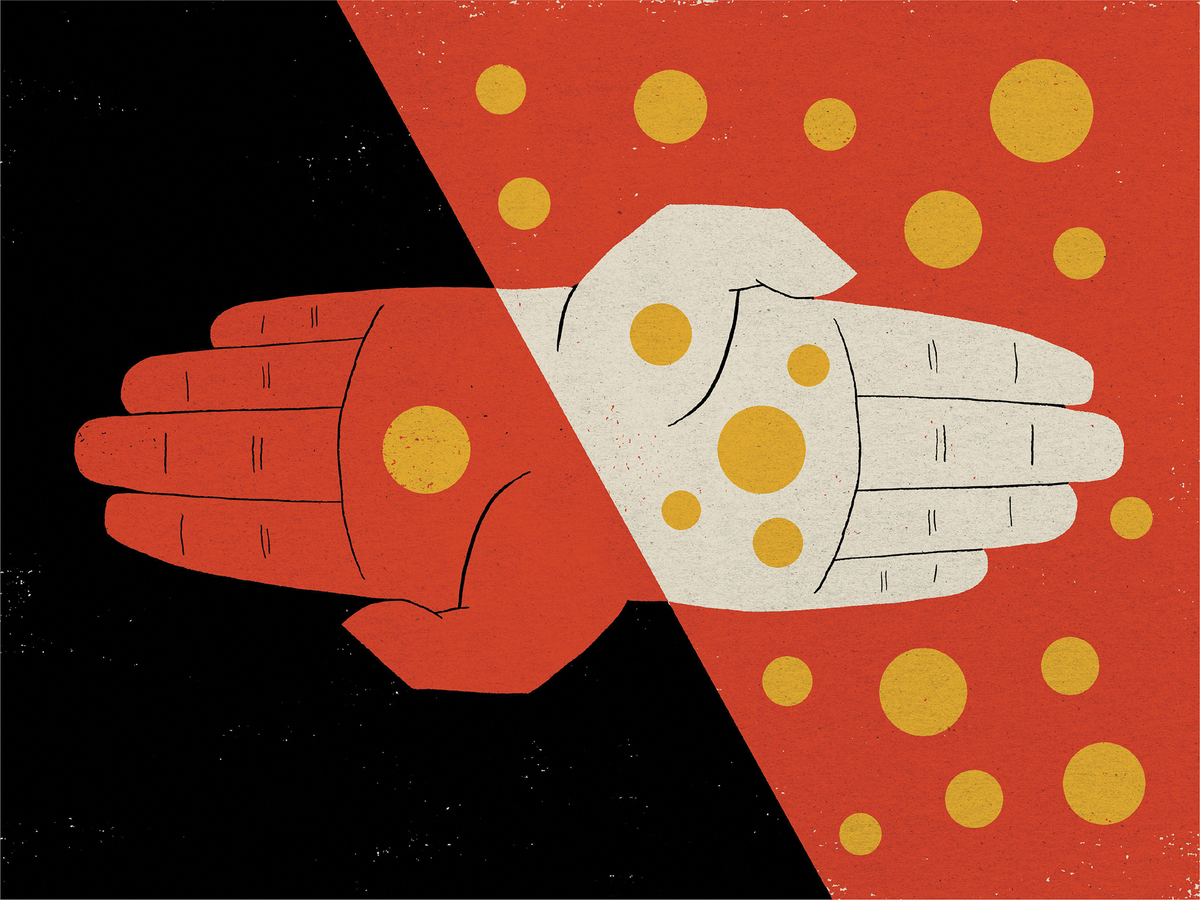
Three views on economic power
We investigate the concept of economic power in the three main paradigms of economic thinking in the 20th century: neoclassical, marxist and institutionalist. We propose a reconstruction, based on a new taxonomy, of the various forms of power conceptualized by each of them. In particular, we claim that the neoclassical paradigm contains a consistent although often implicit theory of power. We then show that many controversies between these paradigms were debates on power and that some shifts in mainstream economics in the 1970s and 1980s are a reaction to the criticisms leveled against the neoclassical conceptualization of power.
Economics for the future – Beyond the superorganism
Our environment and economy are at a crossroads. This paper attempts a cohesive narrative on how human evolved behavior, money, energy, economy and th…
The Fallacy of Endless Economic Growth
What economists around the world get wrong about the future.

Regenerative Economics - Principles
Our hope is that the Regenerative Economics materials act like a wildflower, taking root in even the smallest of cracks and spreading seeds to change the way economics is understood by young people around the world. The guiding principles: Facilitate change from the ground up: We recognise the


Probabilistic thinking – This is your brain on economics
Posts about Probabilistic thinking written by mdsy10

Radical markets: uprooting capitalism and democracy for a just society
Many blame today's economic inequality, stagnation, and political instability on the free market. The solution is to rein in the market, right? Radical Markets turns this thinking on its head. With a new foreword by Ethereum creator Vitalik Buterin and virtual reality pioneer Jaron Lanier as well as a new afterword by Eric Posner and Glen Weyl, this provocative book reveals bold new ways to organize markets for the good of everyone. It shows how the emancipatory force of genuinely open, free, and competitive markets can reawaken the dormant nineteenth-century spirit of liberal reform and lead to greater equality, prosperity, and cooperation. Only by radically expanding the scope of markets can we reduce inequality, restore robust economic growth, and resolve political conflicts. But to do that, we must replace our most sacred institutions with truly free and open competition Radical Markets shows how

Against Economics
Mainstream economists nowadays might not be particularly good at predicting financial crashes, facilitating general prosperity, or coming up with models for preventing climate change, but when it comes to establishing themselves in positions of intellectual authority, unaffected by such failings, their success is unparalleled. One would have to look at the history of religions to find anything like it. To this day, economics continues to be taught not as a story of arguments—not, like any other social science, as a welter of often warring theoretical perspectives—but rather as something more like physics, the gradual realization of universal, unimpeachable mathematical truths.

Thomas Piketty Knew This Was Coming
The scholar of inequality warned us that our economic systems couldn’t withstand a global catastrophe.

A Theory of the Consumption Function, with and without Liquidity Constraints
This paper argues that the modern stochastic consumption model, in which impatient consumers face uninsurable labor income risk, matches Milton Friedman's (1957) original description of the Permanent Income Hypothesis much better than the perfect foresight or certainty equivalent models did. The model can explain the high marginal propensity to consume, the high discount rate on future income, and the important role for precautionary behavior that were all part of Friedman's original framework. The paper also explains the relationship of these questions to the Euler equation literature, and argues that the effects of precautionary saving and liquidity constraints are often virtually indistinguishable.
The Failed Assumptions of Free Trade - The Sling
It is neoliberal economists who are wrong about the economics of trade. Economics textbooks and popular work by economists typically hide the unrealistic assumptions that are required to conclude that free trade as practiced by the United States is a beneficial policy overall, meaning that it is welfare-improving.

Is Inequality Inevitable?
Wealth naturally trickles up in free-market economies, model suggests
Post-growth & Regenerative Economics

Articles, podcasts, papers and books about alternative, pro-social models of finance and economics.
www.sciencedirect.com

Post-growth: the science of wellbeing within planetary boundaries
SEED Founding

Making Business Personal
Think Like a Commoner | A Short Introduction to the Life of the Commons
Design principles for long-lived circular organization: An Ostromian perspective