

In the small group of professional certified vision rehabilitation therapists (CVRT), to which I belong, it is not uncommon for us to use the term “magic glasses.” These are the glasses some of our clients hope to find that will improve or restore their vision. It makes sense—in that for many of them, a new prescription once brought things back into focus. Vision loss from macular degeneration, glaucoma, diabetes, and other conditions is usually something that can be managed with proper care, but vision is not typically restored to what it once was. Still, the myth or hope for the magic glasses persists.
Is Meta Using Disabled People to Promote Its Glasses?
AI glasses are a double-edged sword for disabled people, who face unique risks from surveillance.

Smart glasses controversy sidelines the benefits for disabled people | Letter
Letters: Guardian readers reflect on the ableism rife in the debate about Ray-Ban Meta eyewear, despite the life-changing difference they can make
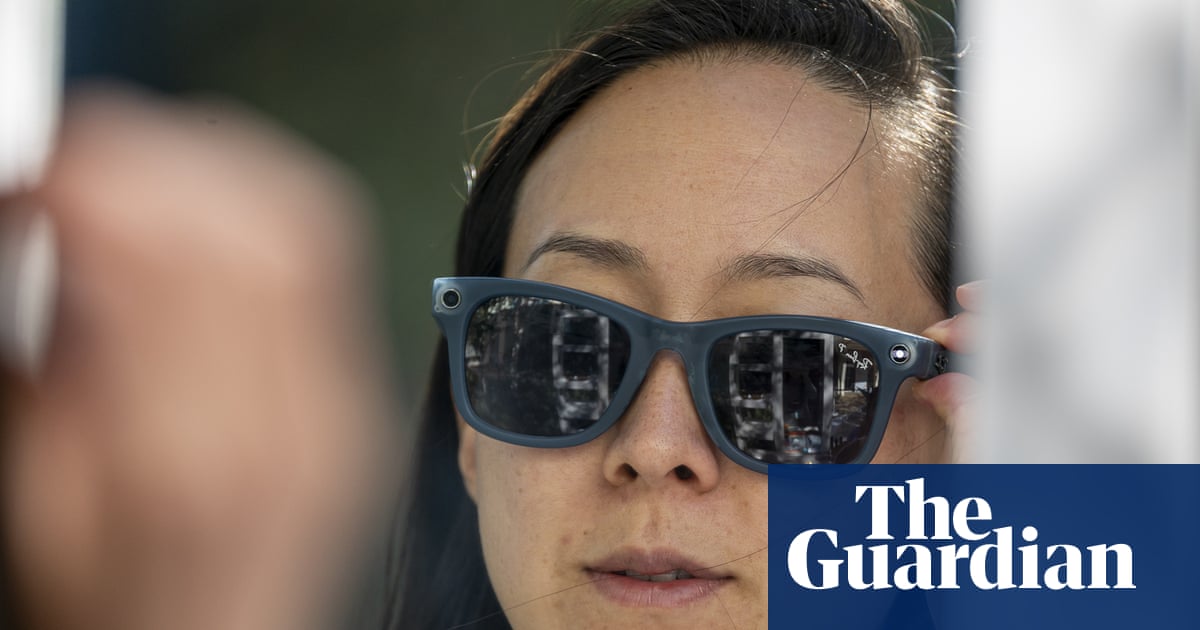
Smart glasses controversy sidelines the benefits for disabled people | Letter
Letters: Guardian readers reflect on the ableism rife in the debate about Ray-Ban Meta eyewear, despite the life-changing difference they can make
Meta’s Smart Ray-Ban Glasses Let Me Live in the Moment. But the AI Is Useless.
Ray-Ban Meta glasses let you record life hands-free in style. But weak AI and privacy trade-offs make them more risk than reward for most people.

Think Twice Before Buying or Using Meta’s Ray-Bans
Over the last decade or so, the tech industry has tried, and mostly failed, to make “smart glasses”—tech-infused glasses with cameras, AI, maps, displays, and more—a thing. But in the past year,

The life-changing magic of wearing smartglasses | Letters
Letters: Readers respond to Elle Hunt’s review of Meta smartglasses, pointing out that the technology has a lot to offer to people with visual impairments or hearing loss

Study Finds Growing Workplace Use of Smart Glasses and Generative AI Among Workers with Visual Impairments | Naric
A study funded by the National Institute on Disability, Independent Living, and Rehabilitation Research (NIDILRR).
Smart Glasses for Older Adults With Cognitive Impairment: A Scoping Review
This study aimed to identify and synthesize peer-reviewed literature on smart glasses for older adults with cognitive impairment. The review focused on (1) the technology and equipment used, (2) the specific tasks smart glasses are designed to support, (3) feasibility outcomes, when measured, and (4) the quality of the reviewed articles.

Envision Glasses
AI-powered smartglasses that articulate everyday visual information into speech, providing independence and possibilities for people who are blind or have low vision.

How AI Glasses Are Empowering People With Disabilities
Our AI glasses are empowering people with disabilities to perform daily tasks with greater independence.

Mark Zuckerberg says anyone not wearing AI glasses in the future will be at a disadvantage | Fortune
Zuckerberg said immersive smart glasses could bring the idea of the metaverse to fruition.

Be My Eyes Smartglasses
Learn how Be My Eyes smartglasses enhance accessibility through Meta AI Glasses in numerous countries and how to get yours.

Artificial intelligence-powered smart vision glasses for the visually impaired
Purpose: In India, 4.80 million people are blind, and 4.69 million have severe visual impairment. Globally, the digital era and the advent of artificial intelligence devices offer solutions for daily challenges faced by the visually impaired, but they are often expensive. This study evaluates the acceptance and usability of a cost-effective AI-powered spectacle-mounted assistive device in a multicentric Indian cohort. Methods: Smart vision glass (SVG) is a lightweight tool, mounted on a spectacle frame with braille-coded keys and a real-time voice interface for guiding the visually impaired, and is connected to a smartphone Android App. The four major functions of the device are as follows: “Things Around You,” “Reading,” “Walking Assistance,” and “Face Recognition.” Ninety participants were recruited from five vision rehabilitation centers across India, and feedback was collected after a month’s usage. Results: The mean age of the participants was 23.5 years (range: 6 to 56 years) with 58.9% male; 51% from rural areas; and 64.4% students. As per the World Health Organization (WHO) classification, 90% of the participants were blind (best corrected visual acuity in better eye less than 3/60). A total of 100% of the participants were able to access all the functions of the SVG. Participants reported a positive experience with “Reading” (72.9%), “Things Around You” (44.7%), “Face Recognition” (36.5%), and “Walking Assistance” (22.4%). About 2/3rd of the participants utilized the device for an hour or more per day. Conclusion: SVG is a promising cost-effective device for the blind and severe visually impaired in aiding their day-to-day challenges and becoming self-reliant.

The Backlash Is So Strong That People With “Pervert Glasses” Are Afraid to Use Them in Public
Meta's camera-equipped "AI Glasses" are so divisive that some adopters are reportedly leaving their expensive smart glasses at home.
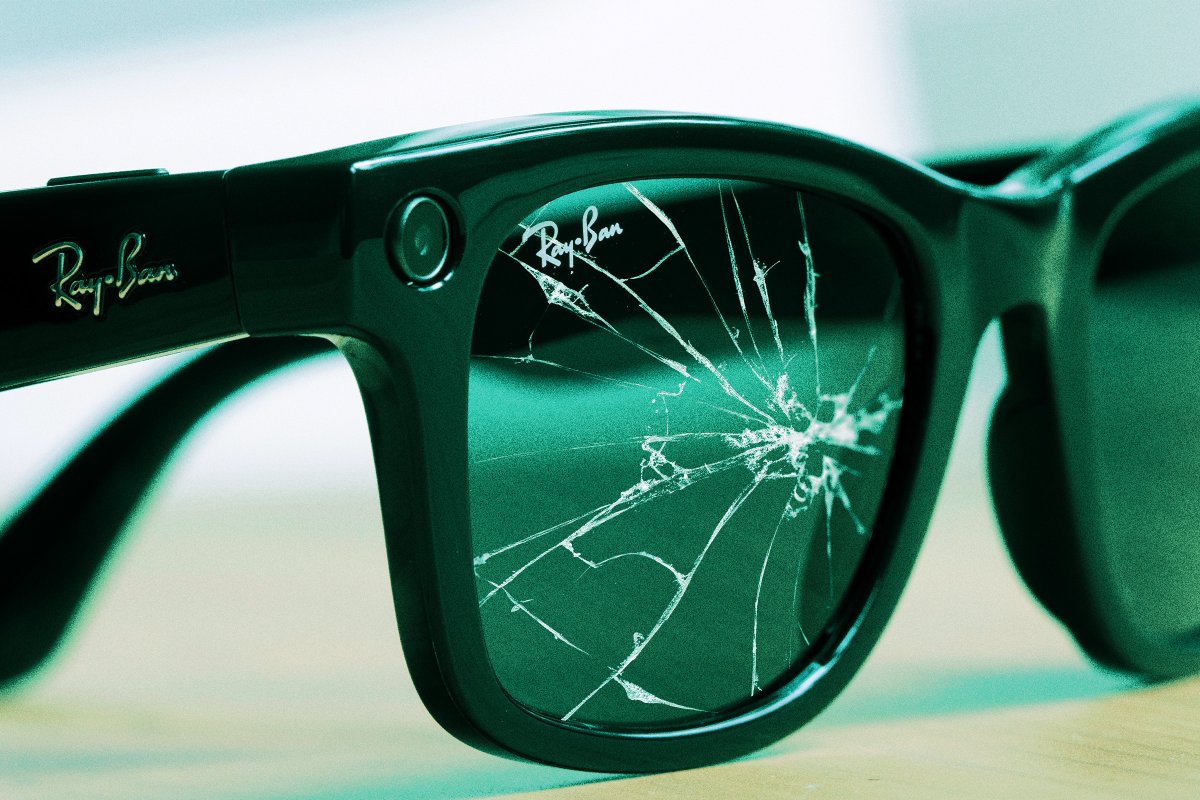
EPIC Urges FTC, States to Block Meta’s Facial Recognition Smart Glasses Plan
<p>EPIC has sent a letter to the Federal Trade Commission and State Attorneys General urging them to quickly investigate and prevent Meta’s plan to add facial recognition and surveillance capabilities to its Ray-Ban Meta glasses. </p>

AI-powered smart glasses

Meta AI Glasses, etc.
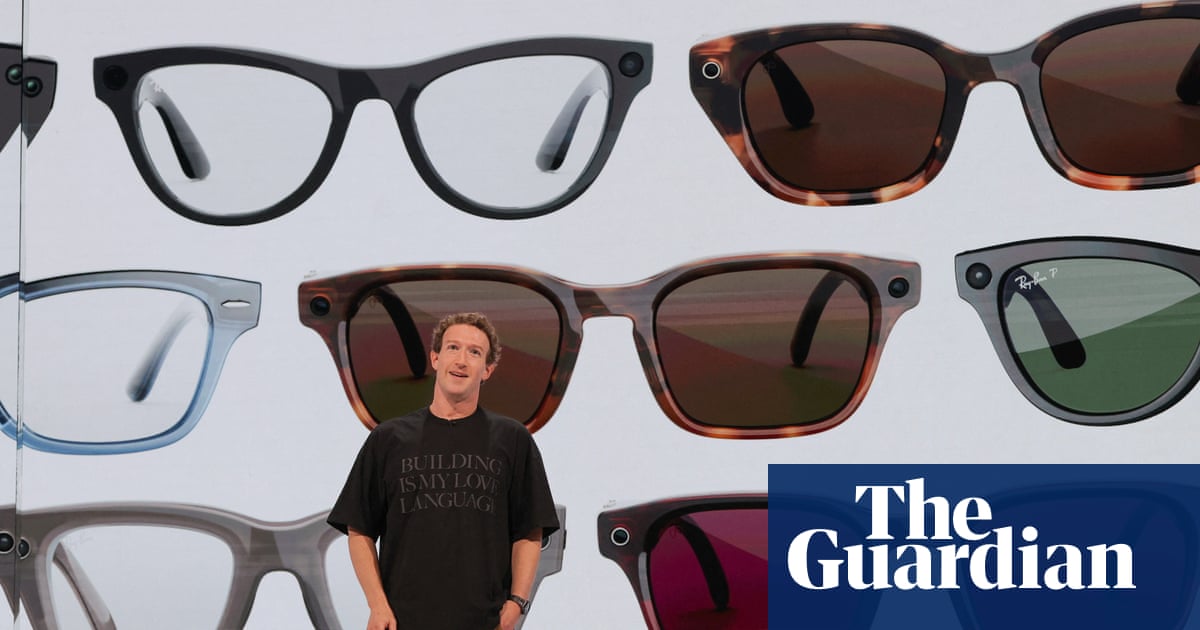
Norway plans temporary ban on smart glasses in some public places

Newsom vetoes measure that would have penalized the use of smart glasses to secretly record people
Dutch retailers suspend Meta smart glasses sales amid privacy concerns | Digital Watch Observatory

Amazon’s delivery driver smart glasses will reportedly take photos ‘almost constantly’

Meta glasses captured and shared intimate images without users' consent, lawsuit claims
A Review of the Ray-ban Meta AI Glasses for People With Low Vision