


"Cramms" is not a word
Harper | Privacy-First Offline Grammar Checker
Blazing-fast, open-source grammar & spell checking that never sends your words to the cloud.
How linguistics learned to stop worrying and love the language models
Language models (LMs) can produce fluent, grammatical text. Nonetheless, some maintain that language models don’t really learn language and also, even if they did, that would not be informative for the study of human learning and processing. On the other side, there have been claims that the success of LMs obviates the need for studying linguistic theory and structure. We argue that both extremes are wrong. LMs can contribute to fundamental questions about linguistic structure, language processing, and learning. They force us to rethink arguments and ways of thinking that have been foundational in linguistics. While they do not replace linguistic structure and theory, they serve as model systems and working proofs of concept for gradient, usage-based approaches to language. We offer an optimistic take on the relationship between language models and linguistics.

👋 Jan on Twitter / X
You don't need a 32B model to fix grammar. You just need one that's actually trained to do it.GRMR-V3 (1B–4.3B) is a set of models that correct grammar reliably without touching meaning. https://t.co/7kkk39Mk7v— 👋 Jan (@jandotai) June 5, 2025
No apps no masters
Posted on Friday 9 Aug 2024. 1,415 words, 11 links. By Matt Webb.

Escape from Microsoft Word
When I work in Word, for all its dazzling prowess, I can’t escape a faint sense of having entered a closed, rule-bound society. When I write in WordPerfect, with all its scruffy, low-tech simplicity, the world seems more open, a place where endings can’t be predicted, where freedom might be real.

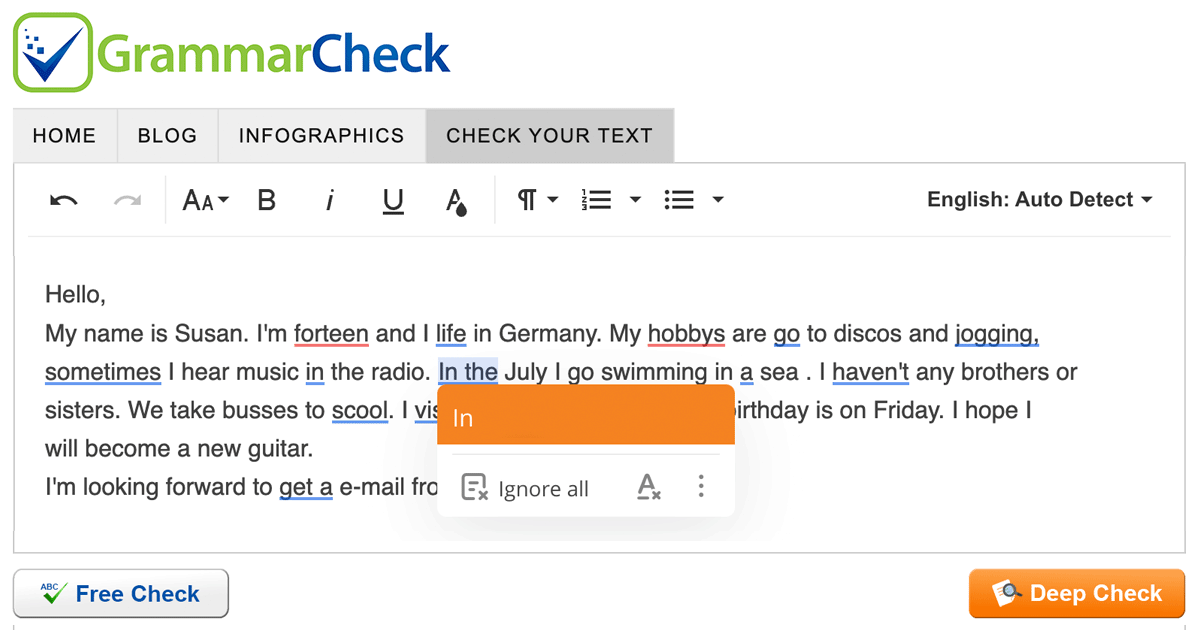
GrammarCheck — Free Writing Editor
Check grammar, track writing goals, measure readability, and time focused writing sessions.
atproto made simple: publishing lexicons - underreacted
i find some atproto documentation extremely confusing. the section about publishing lexicons is one of those parts that makes me want to tear my hair out. it…
Home - 80/20 Japanese
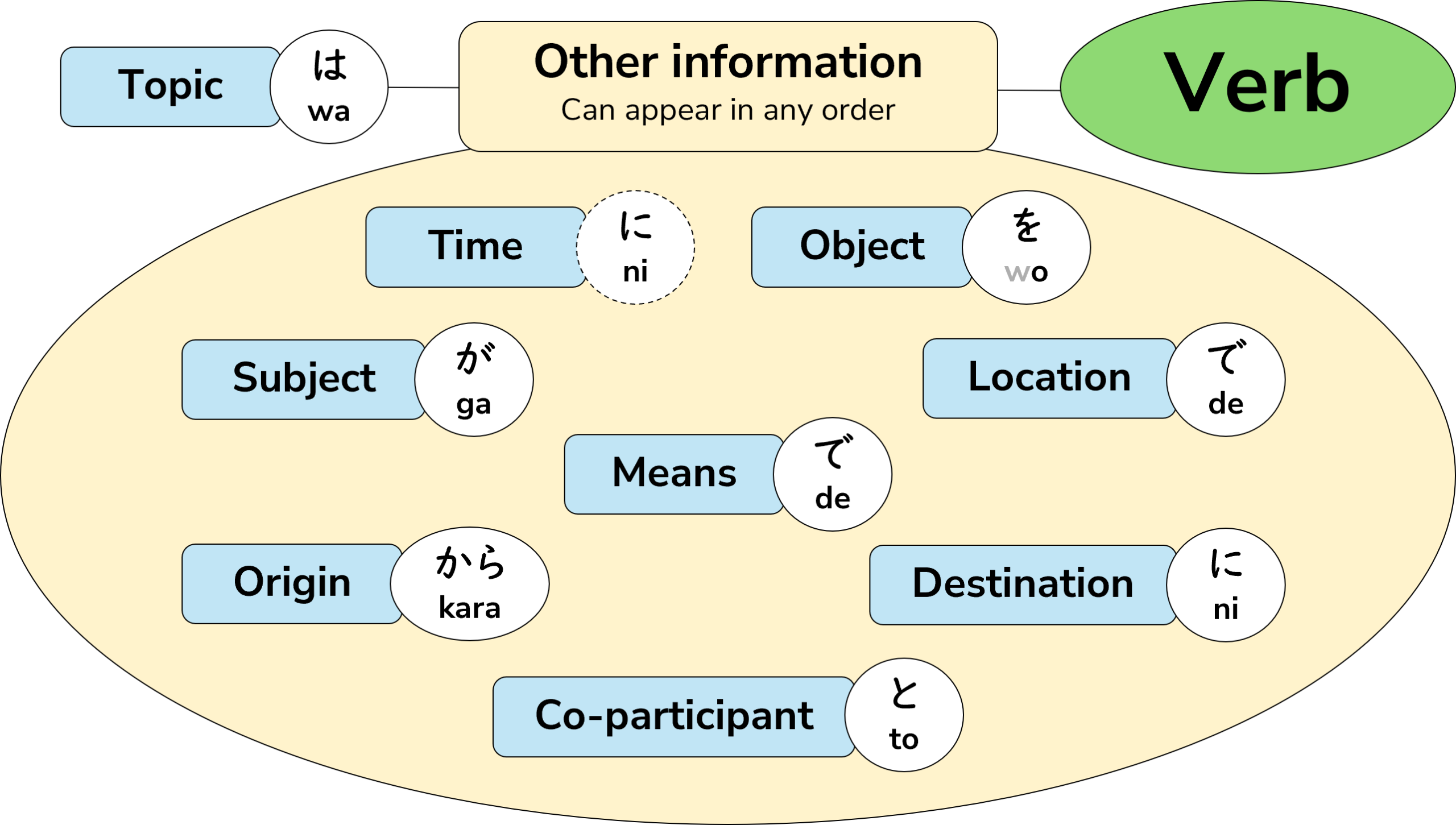
Finally make sense of Japanese grammar Master Japanese grammar through visual explanations that show you why the language works the way it does, so you can build your own sentences with confidence, not just memorize phrases. “ Your course is AMAZING! It’s a lifesaver to having me communicate properly with my coworkers and getting around […]
The Stanford NLP Group
Performing groundbreaking Natural Language Processing research since 1999.

atproto made simple: publishing lexicons - underreacted
Large Language Muddle | The Editors
The AI upheaval is unique in its ability to metabolize any number of dread-inducing transformations. The university is becoming more corporate, more politically oppressive, and all but hostile to the humanities? Yes — and every student gets their own personal chatbot. The second coming of the Trump Administration has exposed the civic sclerosis of the US body politic? Time to turn the Social Security Administration over to Grok. Climate apocalypse now feels less like a distant terror than a fact of life? In three years, roughly a tenth of US energy demand will come from data centers alone.

Computation and its Connotations
A Review of Language Machines by Leif Weatherby

Yep. This is what is missing in the ATProto vision. The lexicons should've been a like schema.org instead of domain name-based. Everyone who wants to improve it can discuss it, similar to, well, schema.org. The frontend must be separate from the content. It's beneficial in many ways.

jack
we have standard.site but wen standard.pics? rn I’m juggling between @grain.social, @flashes.blue & @sprk.so for image sharing 😭
i was annoyed that this isn't explained how i want in the docs so i wrote my own mini-guide to publishing lexicons:

atproto made simple: publishing lexicons
underreacted.leaflet.pub

