

The open source ladder is leaning on the wrong wall.

Katerina Marchán (@zkat@toot.cat)
Open source maintainers of major projects (hi) are not ready to accept and talk about how the cultural insistence on permissive licensing is just straight up labor exploitation taking advantage of our addiction to popularity (also hi). We’re doing this to ourselves too, you know.
Open Source is Not Enough
by James Halliday // The open source movement has fundamentally changed how software gets written. But in the process, corporations have been given a vast gift of free labor.
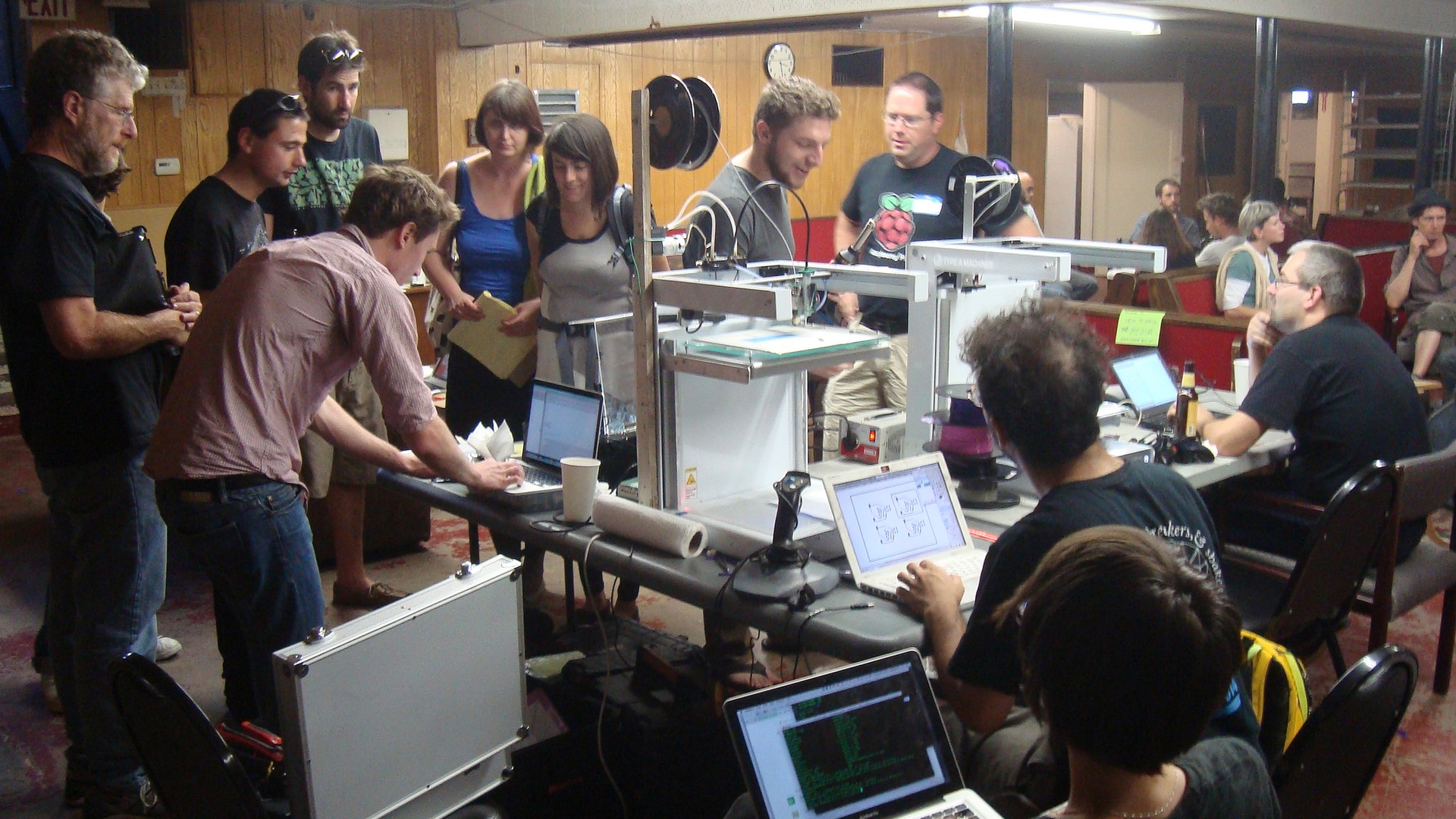
Open Source Has Not Failed. Don't Cover Up Corporate Abuse of Open Source
Open source's free licensing does not drive inequality. Corporate's lack of support for open source does drive inequality.

One Startup's Heretical Plan to Turn Open Source Code Into Cash
With a new kind of license, open sourcers are trying to strike a balance between getting paid and preserving their values.

Revisiting the Open Source Business Model
In the past few years, many companies have come to me asking for help drafting a “new open source license.” As a rule, drafting a new open source software license is not a good idea, s…

Some startups are going ‘fair source’ to avoid the pitfalls of open source licensing | TechCrunch
New alternative category to 'closed source' could help companies monetize software in the open -- without going all-in on open source.

Sustaining Open Source Software
The ‘open source sustainability’ debate continues with yet-another-company relicensing their product away from an open source license to…

Everything an open source maintainer might need to know about open source licensing | Ben Balter
There's lots of internet lore around open source licensing. An attorney and open source developer answers the most common questions.
It’s time to rethink Open Source
Why developers give away valuable work for free — and what can be done to take that money back.

Is This the End of Open-Source? | Built In
Open-source licensure empowers governments and moneyed interests over devs. A reckoning might be on the horizon.

Is Your Open Source Code Leading to Human Rights Violations? | Built In
The Ethical Source movement is questioning the central assumptions of open source culture.
Licenses Alone Do Not Govern Behavior in Open Source
I put things here so they are on the internet
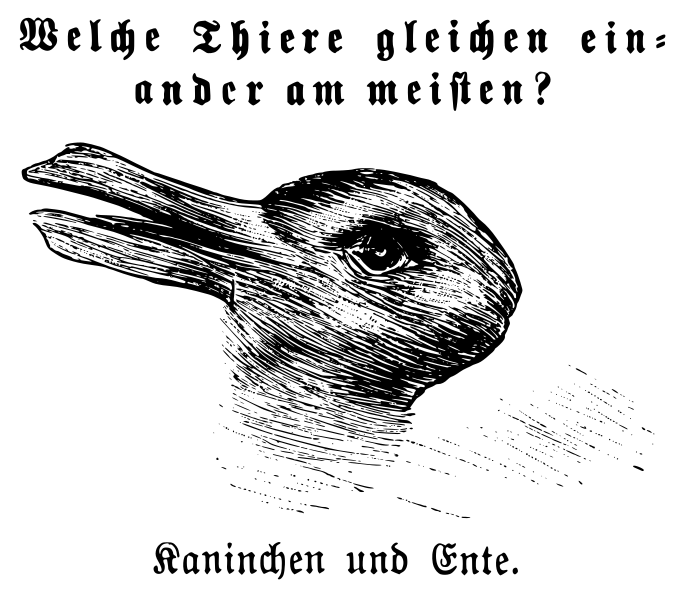
Sorting out the Ethical Licensing Mess
Software developers who give the world, for free, usage rights to the code they write often use open source licenses to make this gift legally explicit. These free usage rights (and then some) are …

Coraline Ada Ehmke: The Rising Ethical Storm in Open Source
In the twenty years since the term “open source” was coined by Christine Peterson, our community has grown astronomically, all the while learning from its successes and failures. A lot has changed for open source developers in the past two decades. But the political and technological landscape has also changed.
Considerations When Open Sourcing a Project
One of the most frequent questions I receive not only from engineers, but from other lawyers is “we are thinking of making a project available under an open source license – what do we …
