A guiding framework for our responsible development and use of AI, alongside transparency and accountability in our AI development process.
Guidelines on transparency obligations for providers and deployers of certain AI systems
These guidelines help providers and deployers of AI systems and competent authorities in ensuring compliance with the transparency obligations under Article 50 of the AI Act.
Responsible AI Principles and Approach | Microsoft AI
Discover Microsoft AI tools, industry-specific governance solutions, and responsible AI practices to make smarter, more informed decisions about AI implementation.

Guidelines on transparency obligations for providers and deployers of AI systems
These guidelines define the scope of transparency obligations for providers and deployers of AI systems under article 50 of the AI Act.
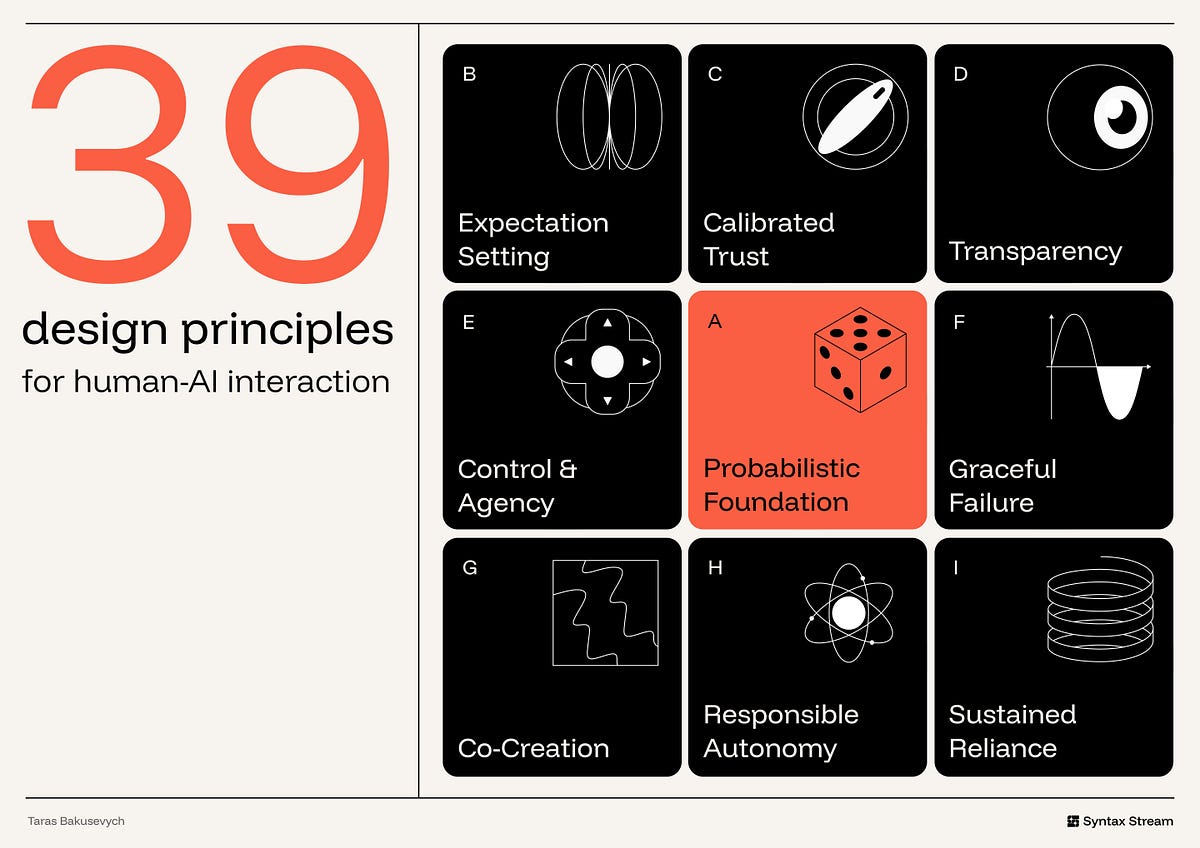
39 principles for designing human-AI interaction
An applied framework for designing AI interfaces that support appropriate reliance, user control, transparency, and responsible autonomy.
Responsible AI
Discover how AWS is committing to developing AI responsibly – to built trust, promote the safe development of AI, and act as a force for good.
Code of Practice on Transparency of AI-generated Content
This code of practice supports compliance with the AI Act transparency obligations related to marking and labelling of AI-generated content.
Responsible use of AI in the military? US publishes declaration outlining principles
12 "best practices" for using AI and autonomous systems emphasize human accountability.

Americans for Responsible Innovation on Twitter / X
NEW: Today ARI released a blueprint for federal AI governance, including three pillars that promote safe frontier AI development: ✅ Standards set by the government ✅ Independent assurance they are met ✅ Transparency into frontier AI development https://t.co/s2mlUP27Wm pic.twitter.com/X6IhBS9jKF— Americans for Responsible Innovation (@americans4ri) August 10, 2026

AI Principles
Thomson Reuters drafted these AI principles to promote trustworthiness in the continuous design, development, and deployment of AI.

AI Policy - Taylor & Francis
Learn about Taylor & Francis' AI Policy, which provides guidelines on the ethical use of artificial intelligence in research, publishing, and content creation to maintain integrity and transparency.

Where AI Regulation Stands Today
The White House has released a National Artificial Intelligence Legislative Framework and new executive orders aiming to establish a single, nationwide standard for AI regulation...

Gov. Pritzker Signs Nation-Leading Artificial Intelligence Safety Law
Landmark bipartisan legislation creates the country's strongest AI accountability framework while supporting responsible innovation

Ali Alkhatib: Defining AI
The main issue I have with a lot of work that tries to define AI is that the criteria they use to draw boundaries often turn out to be functionally useless for my needs; these definitions lead us to weird places, letting scholars fixate on strange, unworkable frameworks. Those pedantic fixations don’t really benefit the organizers, activists, regular people who are getting crushed by the systems they’re trying to work against. So I’m going to try to unpack how I think about AI; how I trace the boundaries of the term in a way that’s as useful as possible for me and my needs; and how I would encourage you to scope or define ideas that are important to your work.

AI agents pose untold risk to humanity. We must act to prevent that future | David Krueger
The pieces are falling into place for autonomous artificial intelligence. We must stop unregulated development

AI, Ethics, and Society — Home
White Paper on Public AI – Open Future
Today's AI landscape is dominated by a few tech companies. This White Paper presents an alternative: Public AI systems built on transparency, democratic governance, and open access to critical infrastructure.