

Why smaller codebases win in the AI era
Code Was Never the Asset - The Phoenix Architecture
Why AI makes the hidden economics of software unavoidable
The AI Buildout and the Material Trap
Why Strategic Necessity, Physical Bottlenecks, and Unsettled Economics Are Forcing Capital into a Constrained System

AI is probably not a bubble
AI companies have revenue, demand, and paths to immense value

AI is probably not a bubble
AI companies have revenue, demand, and paths to immense value
AI's Trillion-Dollar Opportunity: Sequoia AI Ascent 2025 Keynote
Three-Dimensional Unit Economics: The Compute Cost of Retention
Why AI-native apps need a new financial framework. And a new metric to run it.

AI Companies Are Trying to Hide a Staggering Amount of Debt
AI companies are pouring tens of billions of dollars into enormous data centers. They're being built on top of a mountain of hidden debt.

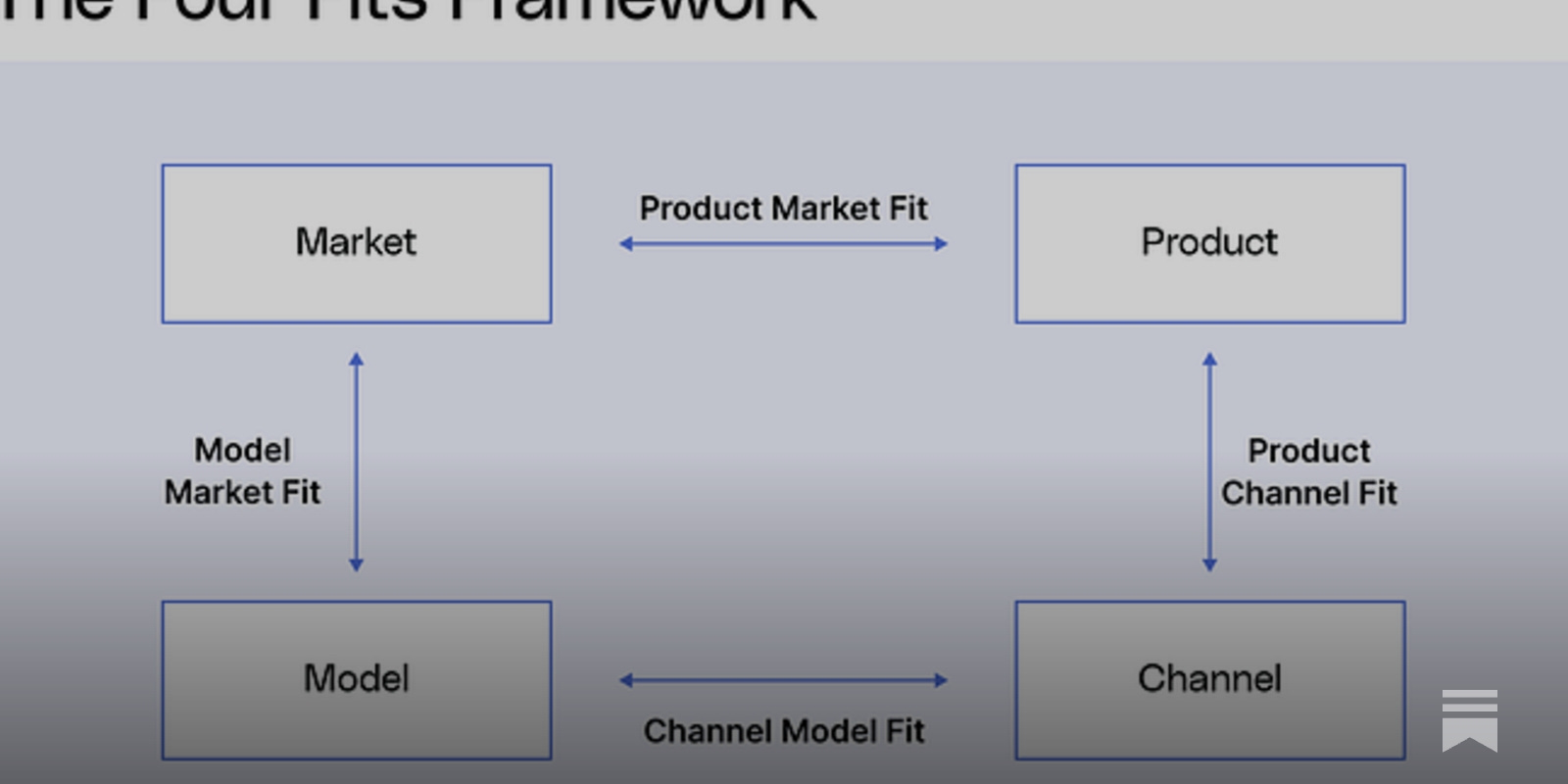
The Four Fits: A Growth Framework for the AI Era
Everything's changed. Here's how to reach $100m at venture speed.
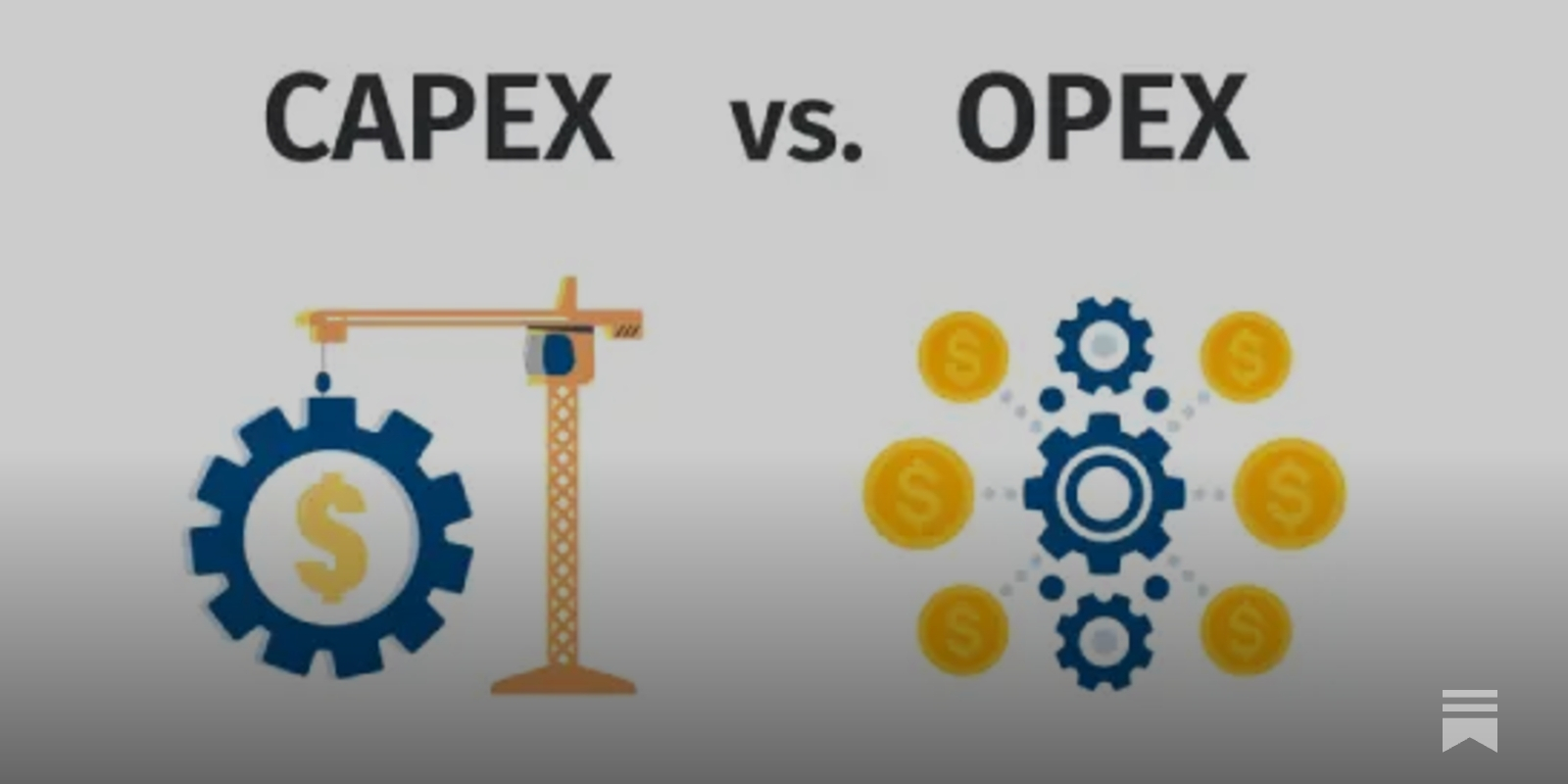
Anything That Can Be Capitalized Eventually Gets Operationalized
A structural pattern has reshaped servers, labor, and software licenses. AI is now running the same playbook — simultaneously — on software production and human capital.
The Productivity Is Real. The Scaling Isn't.
What running an AI agent team taught me about why organizations can't do what one person can.

AI Is A Money Trap
In the last week, we’ve had no less than three different pieces asking whether the massive proliferation of data centers is a massive bubble, and though they, at times, seem to take the default position of AI’s inevitable value, they’ve begun to sour on the idea that

Big Tech’s A.I. Spending Is Accelerating (Again)
Despite the risk of a bubble, Google, Meta, Microsoft and Amazon plan to spend billions more on artificial intelligence than they already do.

We're Not Building AI Features for the Money
From the Zed Blog: Why Zed invests in AI, and the future we're building toward.
The Phoenix Architecture
Generative AI coding demands what we've always known: modularity, clear boundaries, disposable components. Principles that scaled human teams are now table stakes. Here, we make the implicit explicit
"AI makes it cheaper to contribute to Open Source, but it's not making life easier for maintainers. More contributions are flowing in, but the burden of evaluating them still falls on the same small group of people. That asymmetric pressure risks breaking maintainers." also relevant to slop science
