

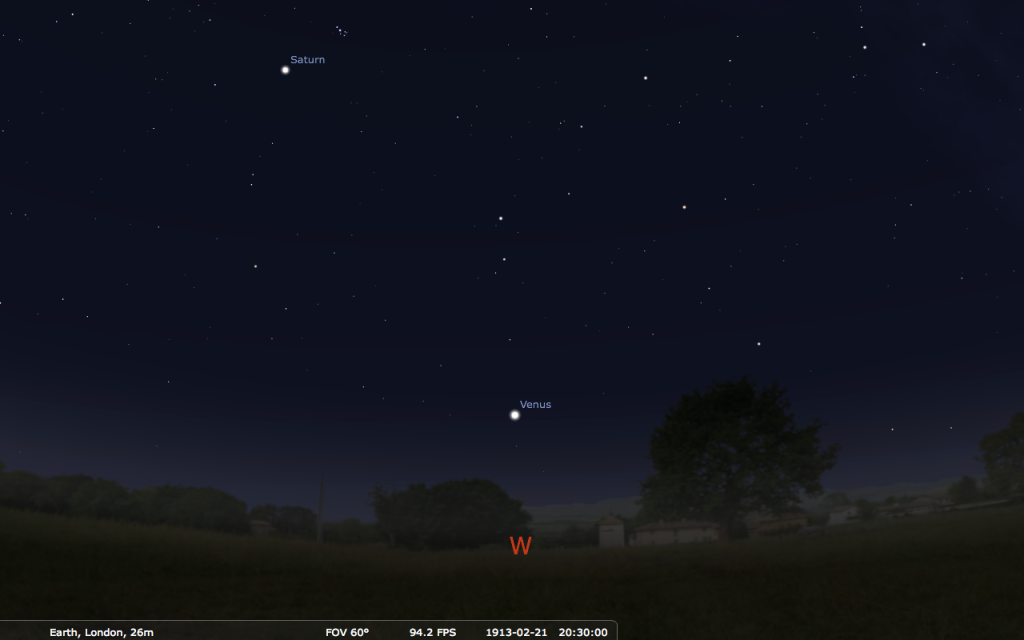
The planet Venus normally sticks close to the Sun and so can only be seen very shortly after sunset, to the west (or before sunrise, to the east, when it is a morning star). But every 584 days, when it reaches maximum elongation in its orbit, it is far enough from the Sun in apparent [...]
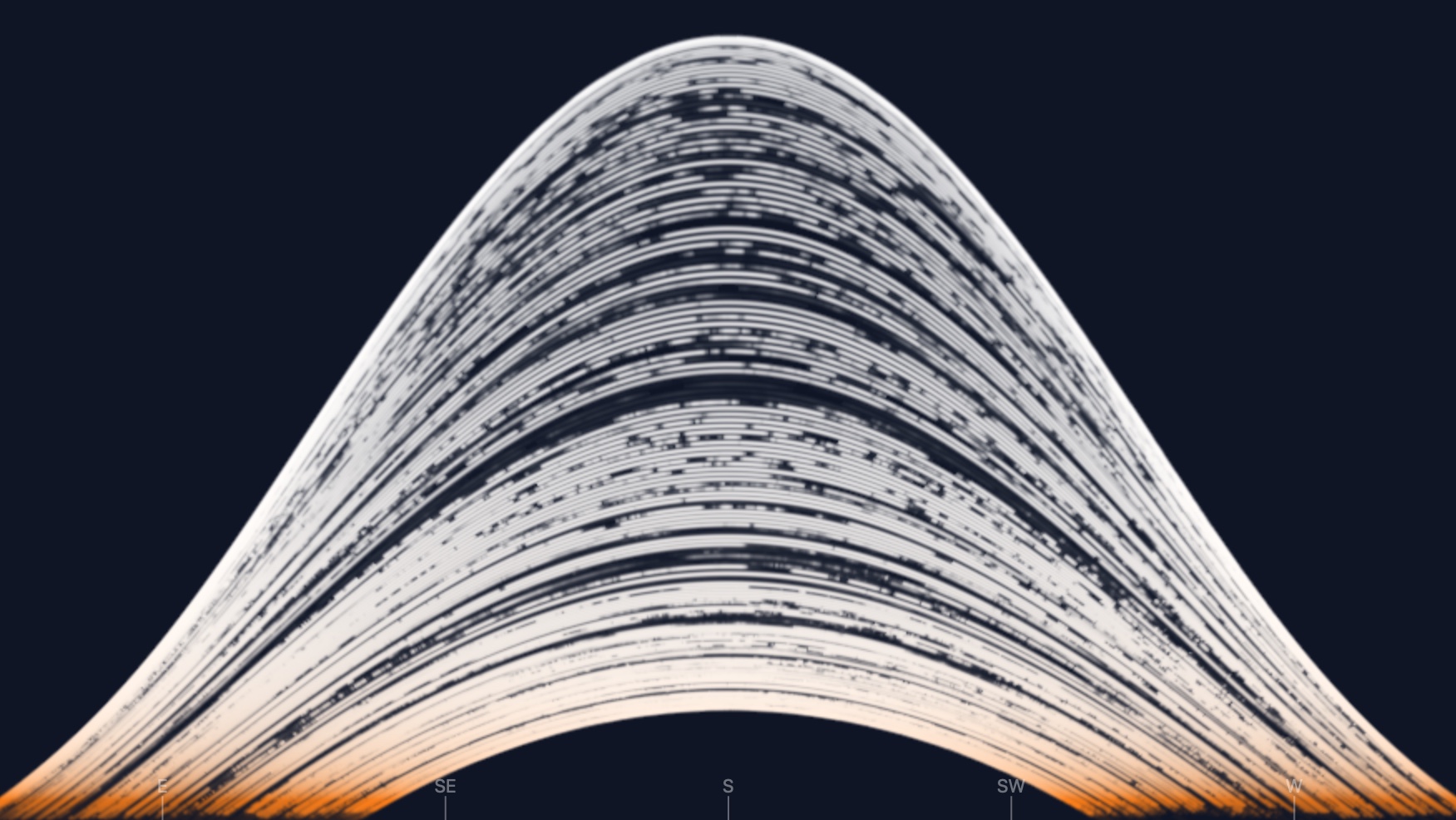
Solargraph Simulator – eagereyes
How a 6-month exposure shows the sun's path across the sky, from solstice to solstice
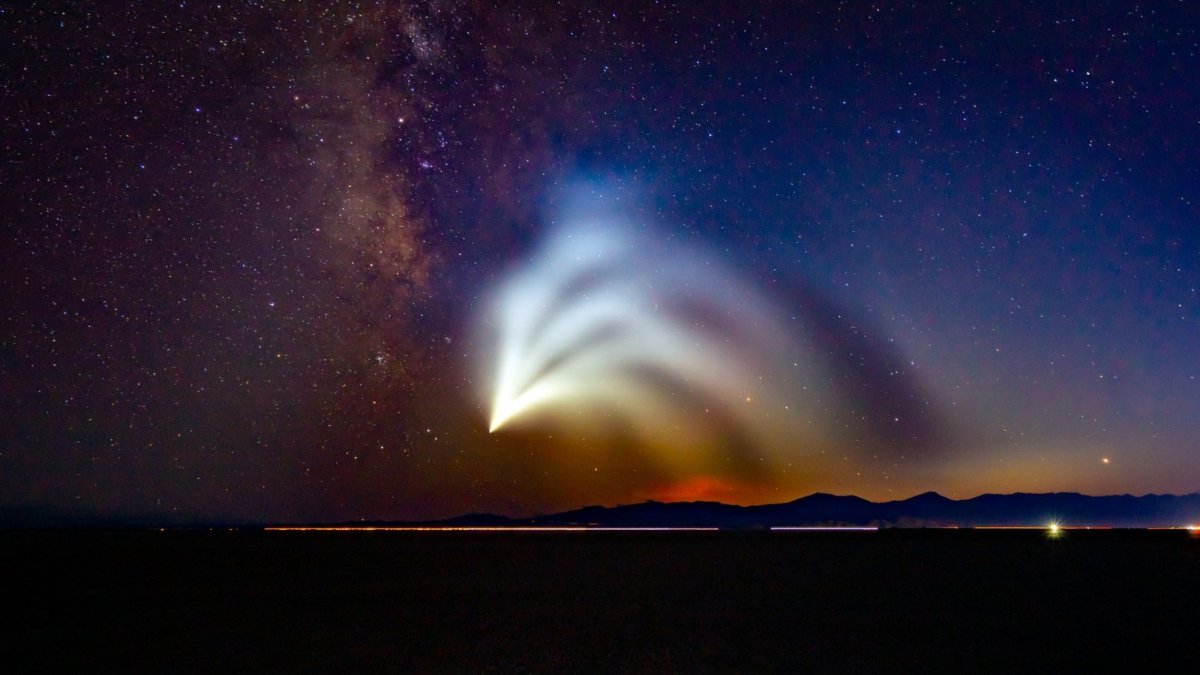
You didn’t see a UFO. It was probably one of these things.
The classic culprit for UFO sightings is a group of clouds moving in front of Venus. Now there are rocket trails and Starlink trains, too.
Venus of Tan-Tan
The Venus of Tan-Tan is an alleged artifact found in Morocco. It and its contemporary, the Venus of Berekhat Ram, have been claimed as the earliest representations of the human form.

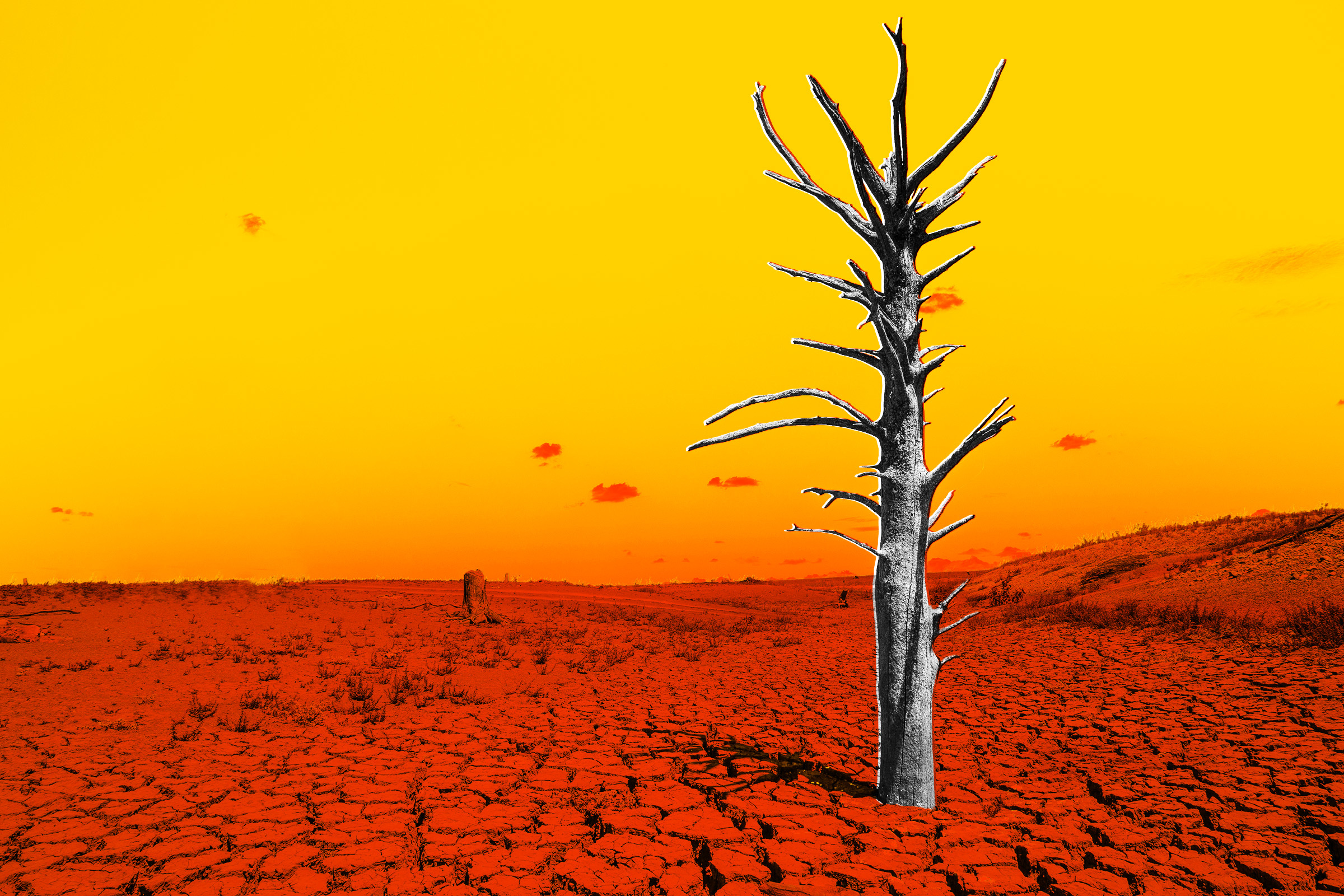
The Latest Data on El Niño Is a Looming Nightmare
The planet hasn't seen a historic El Niño since the 1870s. With one on the horizon, experts are already bracing for impact.
NASA Didn't Even Know!!
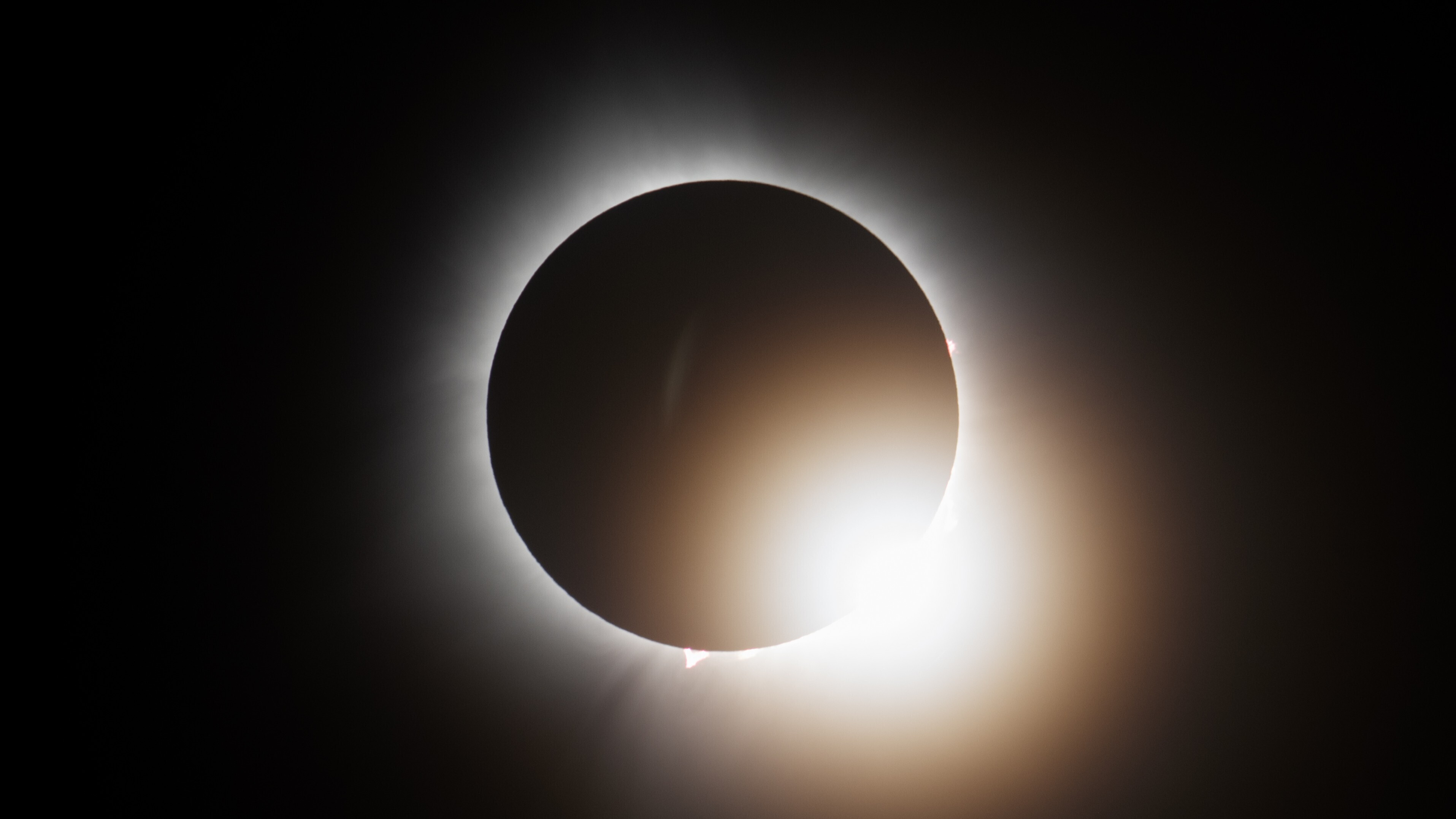
Everything to know about this week's solar eclipse : Short Wave
During a total solar eclipse the world around you is very different. The sun gets totally blotted out and suddenly, it feels like night time. The temperature drops. Birds stop singing. These surreal celestial events happen every year or so around the globe – including tomorrow. To get you prepped, we’re talking to eclipse chasers about what makes these few minutes of darkness worthwhile and break down how to view an eclipse. That includes using special specs, so we’re linking the American Astronomical Society’s list of trustworthy eclipse glasses. To nerd out even more, check out NASA’s eclipse website.Interested in more space news? Email us your question at shortwave@npr.org and we may cover it in an upcoming segment.Support public media with NPR+ and enjoy perks for over 25 podcasts like this one. This show’s perks include sponsor-free listening. Learn more at plus.npr.org.
The Daily Planet #121: Timefulness - The Daily Planet
The Daily Planet #125 - The Daily Planet
Solar System
The Solar System is the gravitationally bound system of the Sun and the masses that orbit it, most prominently its eight planets, of which Earth is one. The system formed about 4.6 billion years ago when a dense region of a molecular cloud collapsed, creating the Sun and a protoplanetary disc from which the orbiting bodies assembled.

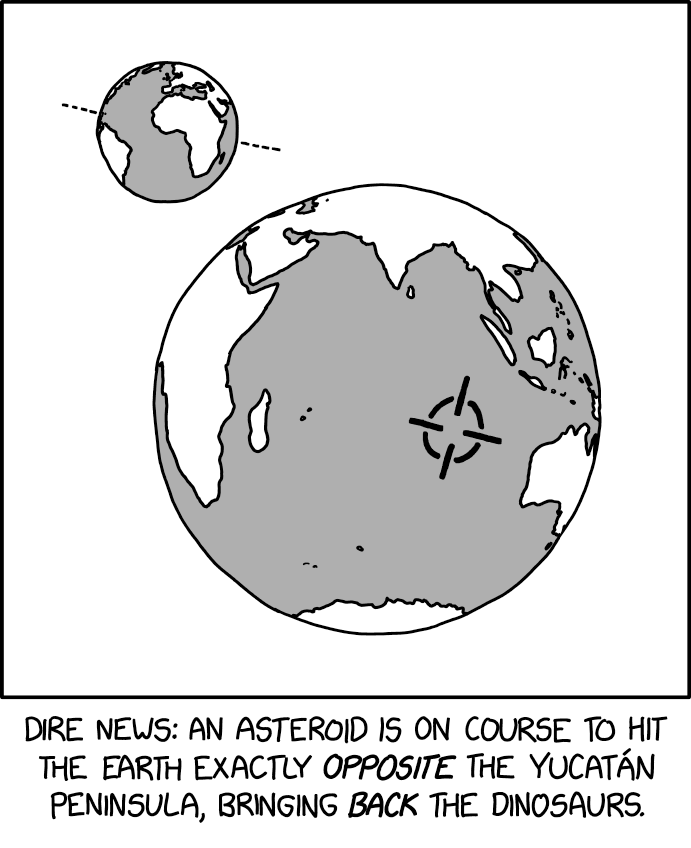
Asteroid Threat
Paleontologists have long worried that the dinosaurs blasted into space 66 million years ago will one day complete their orbits and fall back down.
Time for the sun to rise | Paul Stephenson | Offprint
Get Season 1 of the Sunset Chronicles - Omnibus Edition.

z428: status /
☀️ 9am and on, sunlight through walnut leaves, butterflies dancing in between. The morning is warmer than expected.
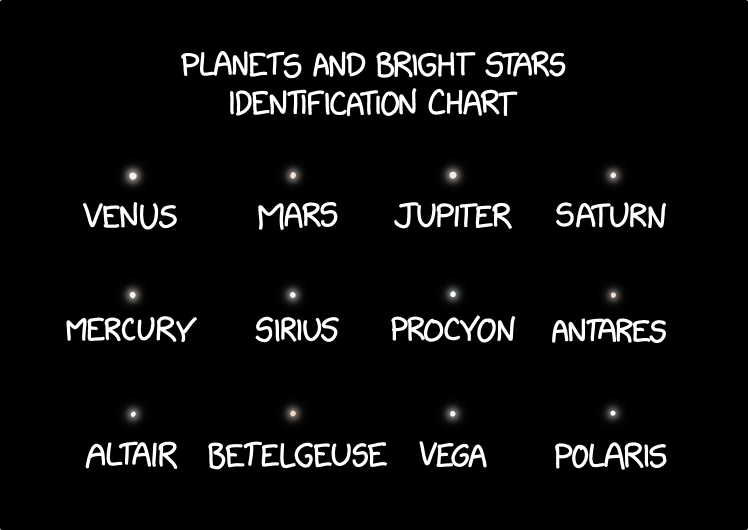
Planets and Bright Stars
This work is licensed under a Creative Commons Attribution-NonCommercial 2.5 License.

Glasswing Butterflies Want To Make Something Perfectly Clear | Deep Look
Waxing crescent Moon, 1.72% illuminated tonight. Venus shining SO bright in the beautiful dusk sky. I actually love how both Venus & the Moon are on the edge of the tree line. Shout-out to my wife 😍 who told me you could see them from the back garden #venus #moon #photography #nikonphotography
