


Documenting civilian harm · Investigating those responsible · Pushing for change
Investigating War Crimes: Interviewing Victims and Survivors
The Dart Center's Gavin Rees discusses best practices for interviewing victims and survivors of war crimes and armed conflict.

The Civilian Impact of Drones: Unexamined Costs, Unanswered Questions | Center for Civilians in Conflict
This joint report from the Center for Civilians in Conflict and Columbia Law School’s Human Rights Clinic is an in-depth look at the US government’s covert drone program and its impact on civilian populations. Our objective is to critically assess US government procedures and standards for ensuring civilian protection and responding to civilian harm from…

Russia’s FPV drone campaign in Ukraine institutionalizes intentional civilian harm as a tool of war
Russia's use of FPV drones to strike civilian targets in Ukraine indicates a culture seeking to weaponize civilian harm as a tool of war.
Opportunities to Improve Military Policies and Practices to Reduce Civilian Harm From Explosive Weapons in Urban Conflict
This research paper seeks to contribute to further thinking and dialogue among States and their militaries that conduct operations in urbanized environments on what more can be done to reduce civilian harm by proposing practical measures in the form of options for consideration. UNIDIR seeks to enhance knowledge on ways to reduce risks and mitigate harm to civilians from the effects of explosive weapons in urbanized environments. This research frames the issue of explosive weapons in the broader context of protection of civilians in urban conflict and focuses on multilateral operations. The research takes a comprehensive approach to civilian protection from a ‘risk reduction’ perspective—that is, seeking to understand where the risks and uncertainties lie in the entire ‘civilian protection life cycle’, recognizing that civilian harm is the cumulative effect of numerous risks and decisions made from formulating mandates, planning, execution, assessment and response to lessons learned and institutional learning. Particular focus is placed on the targeting and weaponeering processes. Citation: Roger Lane, Larry Lewis and Himayu Shiotani (2019) "Opportunities to Improve Military Policies and Practices to Reduce Civilian Harm From Explosive Weapons in Urban Conflict", UNIDIR, Geneva, Switzerland. https://doi.org/10.37559/CAAP/19/PACAV/11 TRANSLATIONS To read the report in French, click here.
Trump DoD Axed a Program Meant to Limit Civilian Casualties — ProPublica
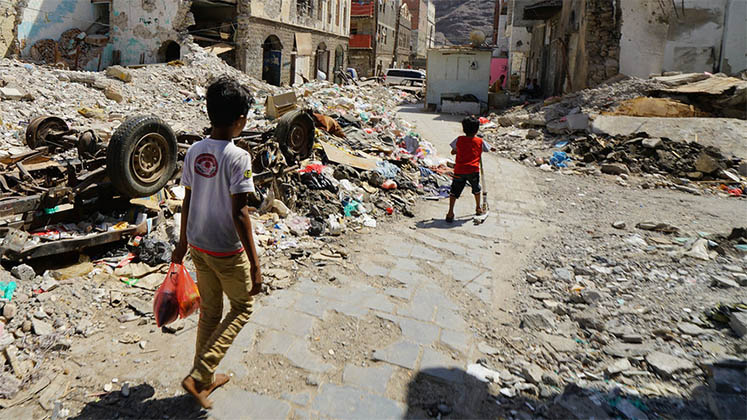
The Pentagon dismantled its civilian protection mission as Defense Secretary Pete Hegseth made “lethality” a top priority and the Trump administration reorganized national security around two principles: more aggression, less accountability.

Internal Pentagon Report Reveals Hegseth Is Willfully Putting Civilians in Danger
A damning Department of War report finds that the Pentagon didn’t fully implement any required civilian harm mitigation measures.

Protecting civilians in a data-driven and digitalized battlespace: toward a baseline humanitarian technology infrastructure
This article examines the realities of modern day warfare, including a rising trend in hybrid threats and irregular warfare which employ emerging technologies supported by digital and data-driven processes. The way in which these technologies become applied generates a widened battlefield and leads to a greater number of civilians being caught up in conflict. Humanitarian groups mandated to protect civilians have adapted their approaches to the use of new emerging technologies. However, the lack of international consensus on the use of data, the public and private nature of the actors involved in conflict, the transnational aspects of the widened battlefield, and the heightened security risks in the conflict space pose enormous challenges for the protection of civilians agenda. Based on the dual-usage aspect of emerging technologies, the challenges associated with regulation and the need for those affected by conflict to demonstrate resilience toward, and knowledge of, digital media literacy, this paper proposes the development of guidance for a "minimum basic technology infrastructure" which is supported by technology, regulation, and public awareness and education

UN fact-finding mission on Iran focuses on plight of civilians
The Independent International Fact-Finding Mission on Iran confirmed that civilians in the country suffered serious human rights violations and “crimes against humanity committed by their government,” while finding "reasonable grounds" to believe that the United States committed “war crimes” in the context of its ongoing conflict with the Islamic Republic.

The shifting battlefield: technology, tactics, and the risk of blurring lines in warfare - Humanitarian Law & Policy Blog
The accelerating integration of emerging technologies into armed conflict is transforming not only the tools of war, but its tactics, geography, participants and impact. Technological developments – from commercial drones to artificial intelligence, electronic warfare to the military use of civilian infrastructure – risk undermining boundaries between military and civilian domains. These changes challenge long-held...
ICRC President criticises drone use in warfare over rising civilian casualties
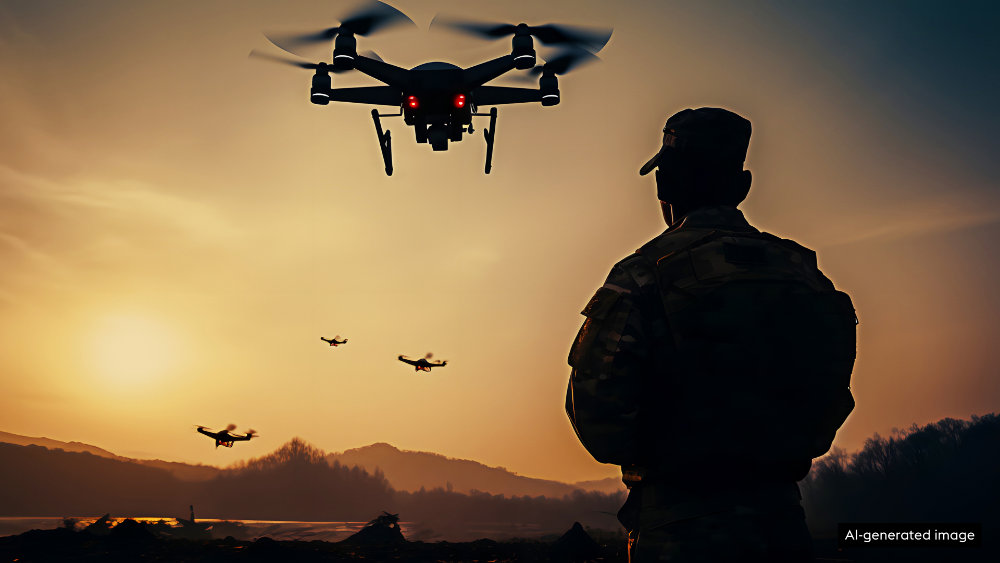
ICRC President Mirjana Spoljaric Egger warns that drones are being used to deliberately target civilians, eroding international humanitarian law.

Civilian Protection Monitor
The Civilian Protection Monitor is a framework for monitoring state policy and practice on the protection of civilians from their own military actions.
Recent Developments in Drone Threats to Humanitarians
The threat of drones to humanitarians is a rising concern. High-profile incidents—such as the fatal multiple-strike attack on an aid convoy in Gaza in April 2024—have made this dynamic an even greater priority for risk managers.Global data on this emerging threat is currently defined by the rapid increase and volume of drone attacks perpetrated by Russian forces in Ukraine, and to a lesser extent, Israeli Defense Forces (IDF). In other contexts, like Sudan, Iraq, and Syria, governments are also the primary perpetrators of drone incidents. Nonetheless, the list of drone operators in complex humanitarian settings has increased and diversified since 2022, particularly among organised armed groups (OAGs), driving further interest within the humanitarian community.

Pentagon quietly shut legally required program to prevent civilian deaths by military, watchdog finds
Trump administration accused of cutting military’s civilian harm program in light of US strike on girls’ school in Iran
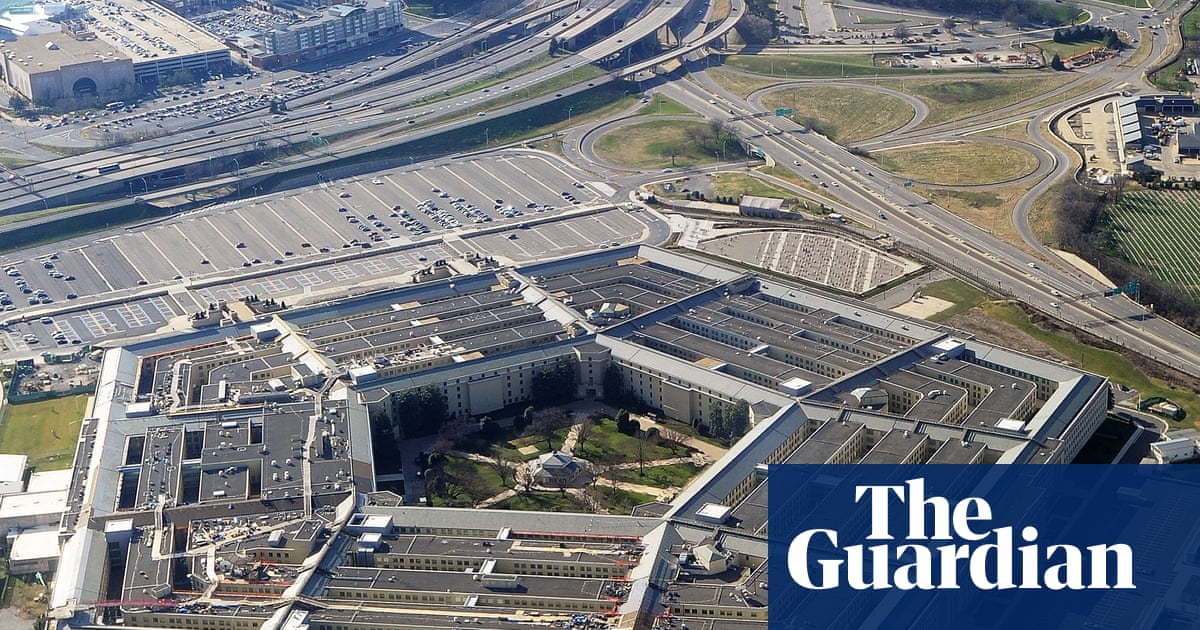
Defense Intelligence: Comprehensive Plan Needed to Improve Stakeholder Engagement in the Development of New Military Intelligence System
Intelligence collected on foreign militaries is critical for the U.S. military. The Defense Intelligence Agency's database for this intelligence doesn...
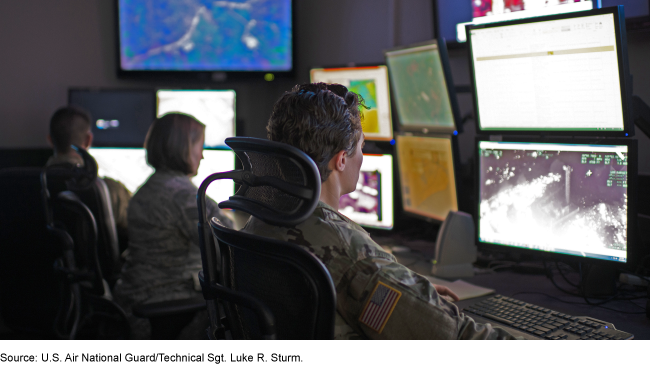
Hegseth Brags of a Deadlier War Machine as U.S. Unleashes “Devastating Civilian Harm Globally”
While testifying to Congress on Wednesday, War Secretary Pete Hegseth lobbed threats and brushed off queries about civilian harm.
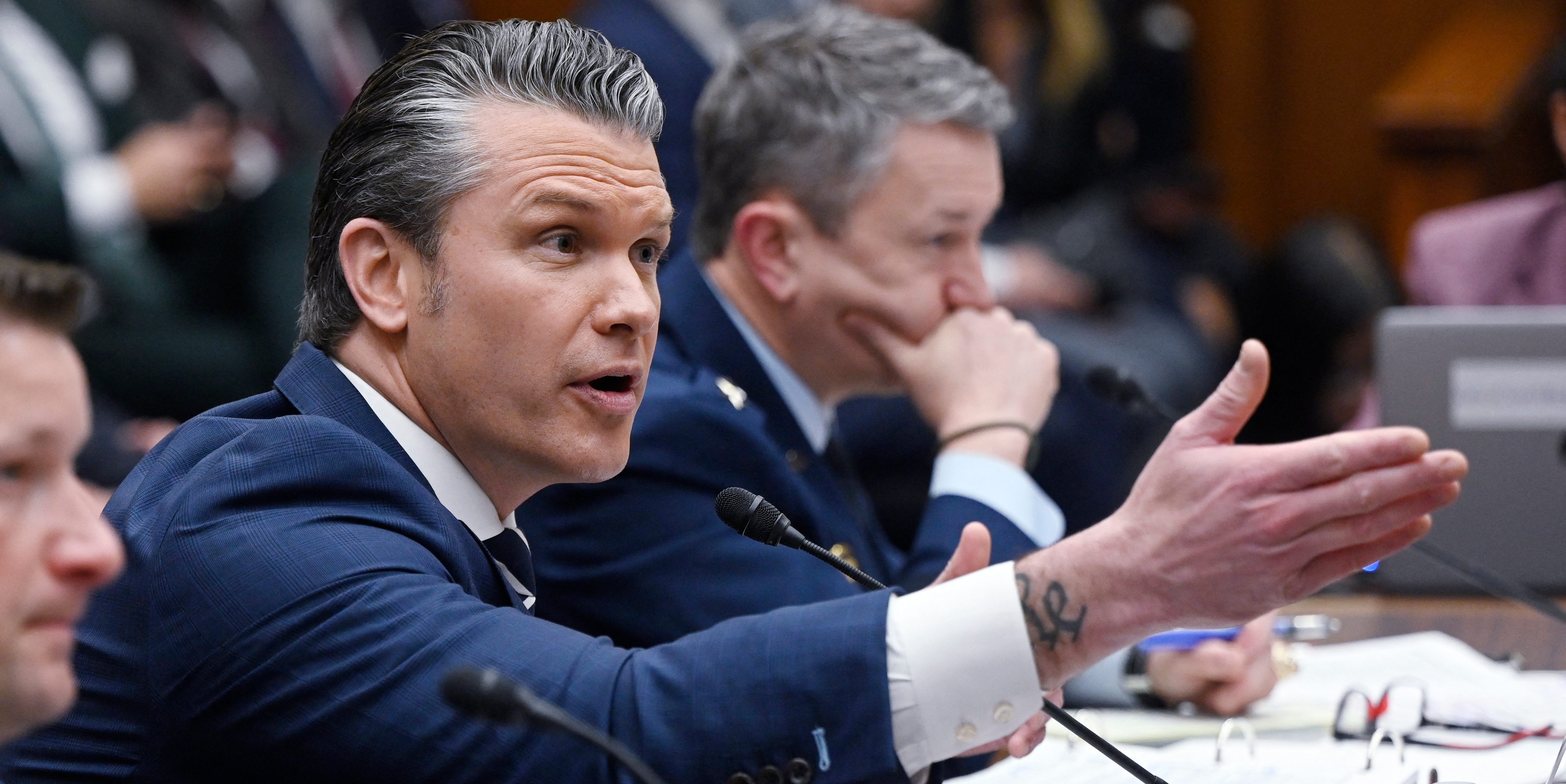
I learned so much from this essay. It gets into a brief history of how the US military has sought to dehumanize the process of identifying targets—first through bureaucracy and now through technology—with the expectation there will be more mistakes, but they will face less blame.

AI got the blame for the Iran school bombing. The truth is far more worrying
www.theguardian.com