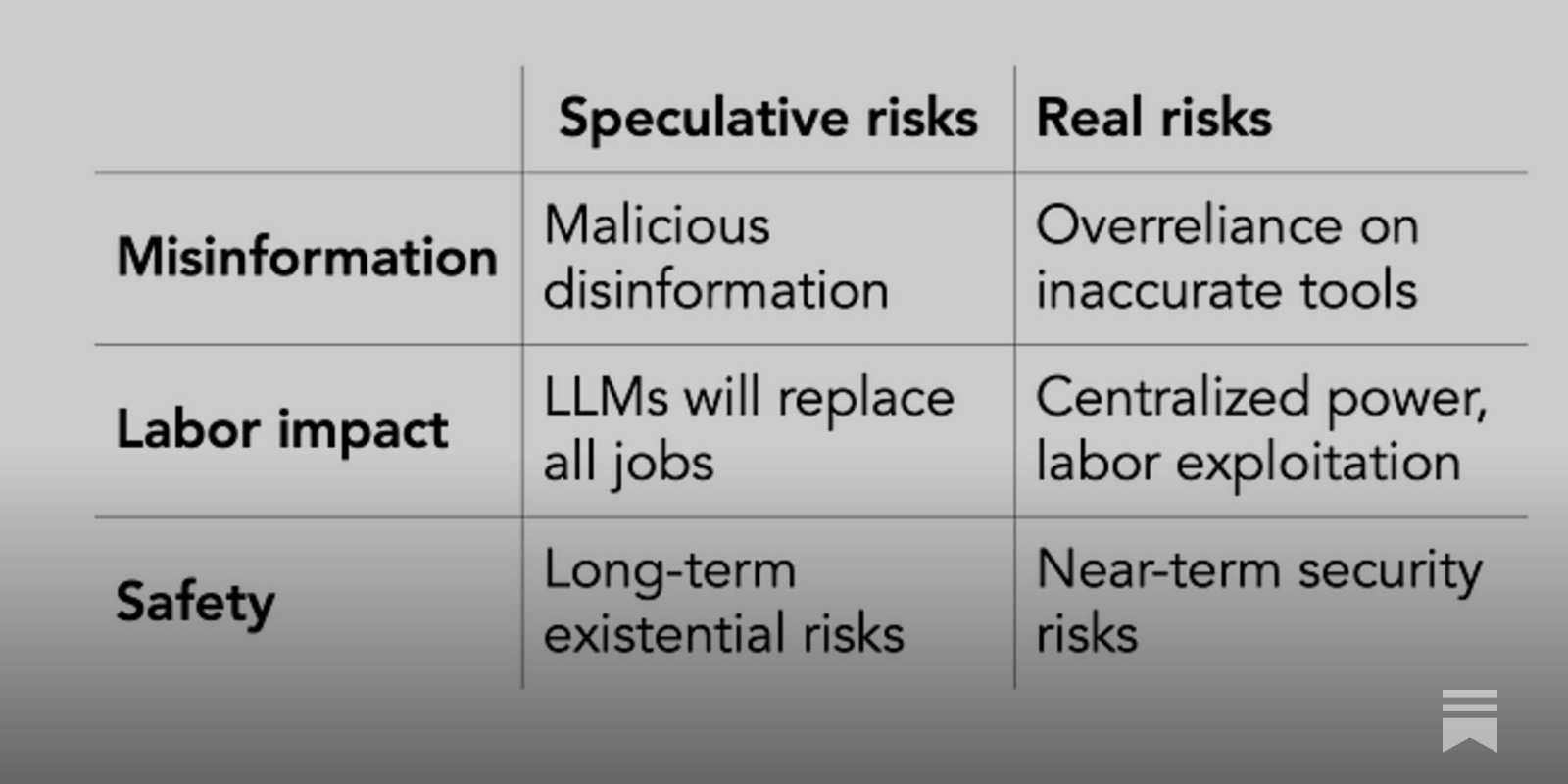
Misinformation, labor impact, and safety are all risks. But not in the way the letter implies.
A misleading open letter about sci-fi AI dangers ignores the real risks
Misinformation, labor impact, and safety are all risks. But not in the way the letter implies.
The Open Letter to Stop 'Dangerous' AI Race Is a Huge Mess
The letter has been signed by Elon Musk, Steve Wozniak, Andrew Yang, and leading AI researchers, but many experts and even signatories disagreed.

The Open Letter on AI Doesn't Go Far Enough
One of the earliest researchers to analyze the prospect of powerful Artificial Intelligence warns of a bleak scenario

The Call to Halt ‘Dangerous’ AI Research Ignores a Simple Truth
Tech leaders' Open Letter proposed a pause on ChatGPT. But researchers already know how to make artificial intelligence safer.
My Open Letter To That Open Letter About AI In Writing And Publishing
The tl;dr before you get into this post is this: the SFWA came out, said that some AI usage was okay enough in books for the authors of those books to not to be disqualified from winning a Nebula a…

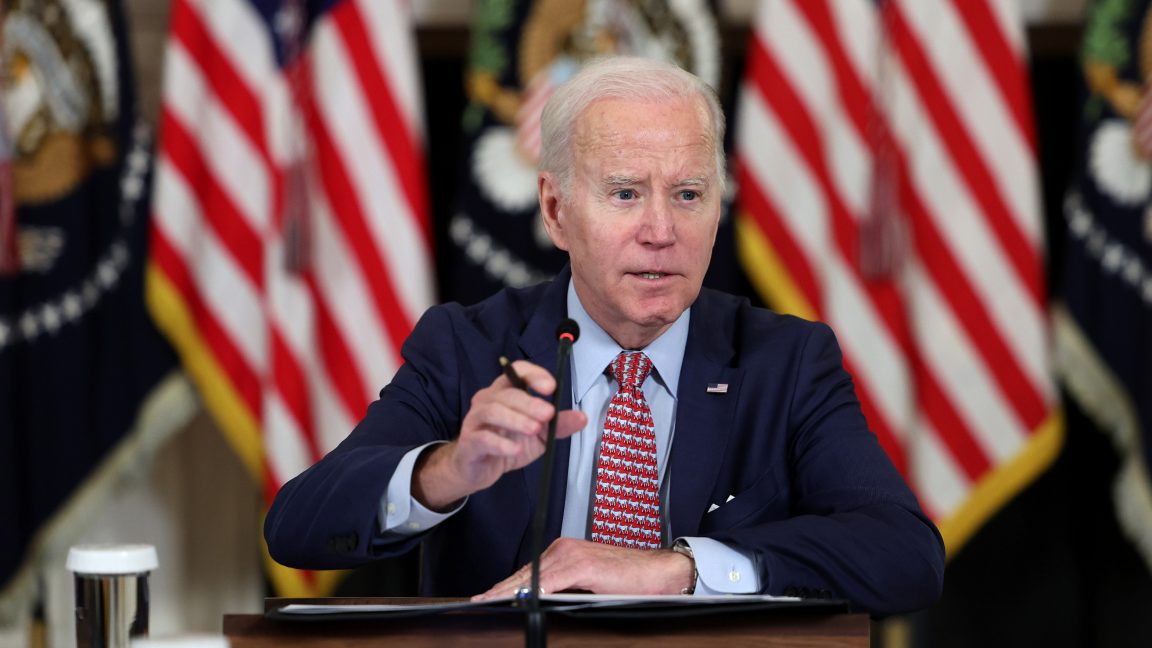
President Biden delivers remarks on “risks of artificial intelligence”
Biden addresses fears about AI's impact on society.
AI Safety Is a Narrative Problem · Special Issue 5: Grappling With the Generative AI Revolution
This op-ed explores power and narrative dynamics around AI. Drawing on pop-culture references, the professional experiences of the author and examples from 2023’s “Great AI Safety Hype Roadshow,” this piece draws on the literary criticism technique of practical criticism to consider how speeches and announcements from both Silicon Valley executives and research scientists to interrogate the media-friendly nature of p(doom) discourse—which focuses on the existential risks of AI (PauseAI, 2023)—and its likely consequences. The complexities of AI and its numerous social impacts can be difficult for even the most expert analyst to unpack. In spite of this, the potential of “existential threats” has successfully cut through to become a mainstay of mainstream media coverage over the last year. This piece will make the case that this is an effective narrative conceit that has achieved a number of ends that traditional science communication tends to find difficult, if not impossible, to achieve. Firstly, it is easy to understand. Simplification of this nature—that removes jargon and complexity and focuses on a single outcome—is much easier to fit on a TV rolling news ticker or on the cover of a tabloid newspaper than more well-balanced, representative opinions. Secondly, it inherits prior assumptions from well-known dramatic forms. P(doom) plays to stories familiar from Greek tragedy through to Marvel movies, in which lone male heroes battle ineluctable forces. Thirdly, it is imbued with urgency and so becomes difficult to ignore.
The real AI risk is inside the labs - <antirez>
The Age Of Artificial Intelligence: 73% Concerned About Potential Threat To Human Survival, Quinnipiac University Poll On AI Finds; 86% Support Independent Safety Standards For AI Companies | Quinnipiac University Poll
"The results show a clear theme about the fear of harm coming from AI and its users. More people expect AI to do more harm than good in their day-to-day lives, and while there are significant concerns about future AI threatening humans, Americans are much more worried about AI being used by people to do harm to others," said Brian O'Neill, Ph.D., Associate Professor of Computer Science and Associate Dean, Quinnipiac University School of Computing and Engineering.
Misleading Metaphors, Real Risks
What To Fear from AI Agents and How to Reclaim Our Human Agency
Statement on the "AI pause" letter
The listed authors of Stochastic Parrots on why the harms from so-called AI are real and present and follow from the acts of people and corporations.
Misuse of AI is brands’ top reputational threat, new survey says
The findings come after warnings from tech leaders that AI placed in the wrong hands could trigger larger threats such as nuclear war or bioweaponry destruction
Extropia's Children, Chapter 7: The Inferno of the Nerds
What really is the fabled AI x-risk? Will our meddling with artificial intelligence cause us to inadvertently create a dread superintelligent godlike entity which will destroy us all? Or are there other AI risks we should worry about more?
No. 017: Science EIC contra AI hype, data poisoning of research agents, Vancouver Standard for AI disclosure - The Hallway Track
The Hallway Track No. 017 - How AI is affecting the practice of science
Refusing to accept an AI-poisoned future of journalism
Humans, however flawed, are