


Fadi Quran Al-Shabaka
De nuevo sobre Maslama Ibn Qāsim al-Qurṭubī, los Ijwān al-Ṣafā’ e Ibn Jaldūn: Nuevos datos de dos manuscritos de la Rutbat al-ḥakīm
Como continuación a estudios anteriores sobre la recepción de las Rasā’il Ijwān al-Ṣafā’ en al-Andalus, en este artículo se sostiene que entre los estudiosos andalusíes de la Edad Media era una creencia generalizada considerar al astrónomo Maslama al-Maŷrīṭī (m. 395/1004 o poco después) como el autor no solo de la Rutbat al-ḥakīm y la Gāyat al-ḥakīm – hoy ambas correctamente atribuidas a Maslama Ibn Qasīm al-Qurṭubī (m. 353/964) – sino también de todo el corpus enciclopédico de las Rasā’il. La primera parte del artículo trata de explicar a través de qué serie de sucesivas confusiones estas tres obras llegaron a ser identificadas como los tres escalones de una escalera filosófica y cómo esta trilogía acabó siendo después asignada al científico Maslama al-Maŷrīṭī. La otra parte se centra en dos anotaciones de carácter biográfico que aparecen en las portadas de dos manuscritos de la Rutbat al-ḥakīm, aún inédita. Además de proporcionarnos evidencias adicionales sobre la difusión de esta concepción entre los eruditos medievales, esos documentos también nos ofrecen información interesante y a veces sin igual sobre los dos Maslamas, sus respectivos escritos y seguidores, así como sobre la amplia circulación de las Rasā’il por toda la Península. La edición, traducción y comentario de estas dos anotaciones biográficas son ofrecidas aquí por primera vez.
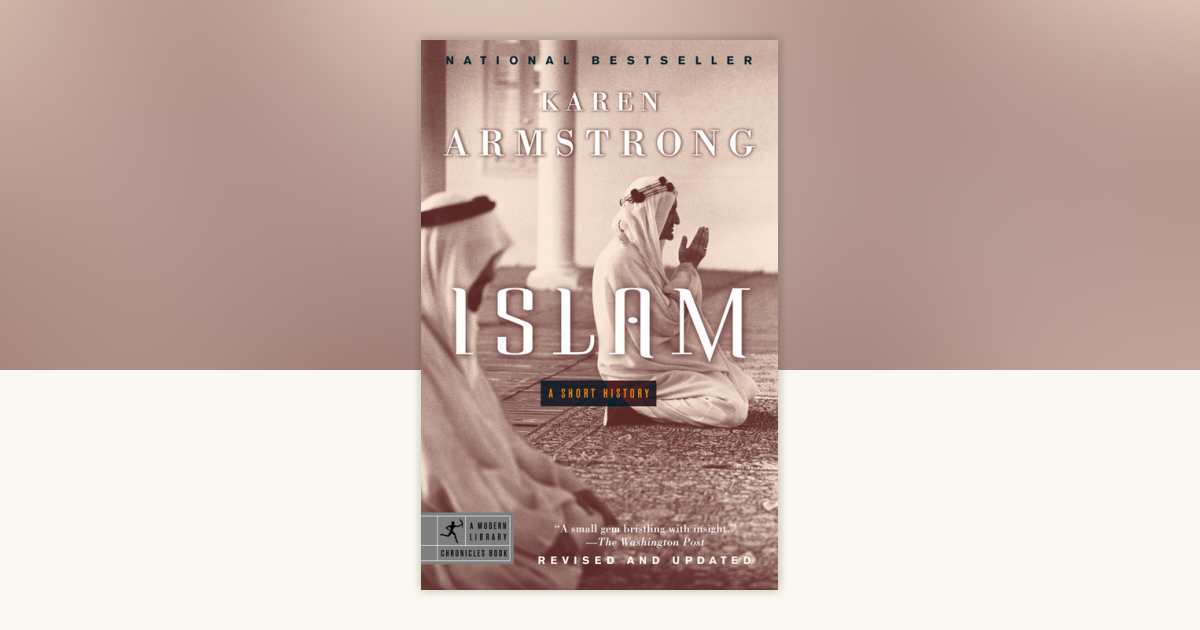
Islam by Karen Armstrong: 9780812966183 | PenguinRandomHouse.com: Books
No religion in the modern world is as feared and misunderstood as Islam. It haunts the popular imagination as an extreme faith that promotes terrorism, authoritarian government, female oppression,...
shaarli/Shaarli
The personal, minimalist, super-fast, database free, bookmarking service - community repo
🔎 shamika ravi muslim hindu - Google Search

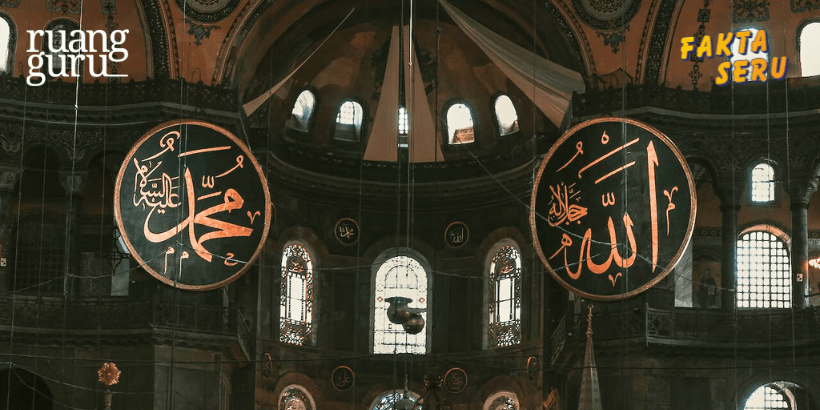
99 Asmaul Husna (Arab, Latin, Arti) beserta Dalil
Asmaul Husna adalah nama-nama baik Allah. Berikut urutan 99 Asmaul Husna dalam Bahasa Arab, Latin, dan artinya, disertai dalil serta manfaat mengimaninya.
02 - Sıfırın Hikayesi (Official Audio) | Zifiri
Useful phrases in Lebanese Arabic
A collection of useful phrases in Lebanese Arabic, a variety of Arabic spoken mainly in Lebannon with recorded mp3 audio sound files for all of them.

Remote Origins: Translation, Genealogy, and Alterity in Medieval Castile (1252-circa 1390)
This dissertation analyzes selected examples of thirteenth- and fourteenth-century written culture to show their engagement with the religious alterity of Islam as an integral part of the origins of the kingdom of Castile. Following an interdisciplinary methodology, it addresses how medieval ideas about astrology, geography, history, medicine, race, and religion participated in creating discourses about origins that recognized the intellectual and political authority of al-Andalus. It argues that early Castilian vernacular texts conceptualized the translation of Arabic sources as an instrument for creating, transforming, and superseding the alterity of Islam while recognizing the cultural and political authority of Andalusi traditions. The first chapter serves as an introduction explaining the historical and theoretical framework of the dissertation. To do so, it provides an overview of Castilian ideas about genealogy, historiography, authority, and translatio, and translation. Then, through close reading and ample historicization, chapters two, three, and four analyze the impact of Andalusi textual traditions, cultural practices, and human population in three interrelated fields of medieval science, literature, and history. Chapter 2 explores the political implications of King Alfonso X’s (r. 1252-1284) dedication to the translation of Arabic sciences by focusing on the translation of a treatise of astrology titled Libro de las cruzes (1259). The chapter traces the cultural and political context that accompanied the transmission of the book in al-Andalus alongside the content of its Arabic and Castilian prologues. In light of ideas about the transference of knowledge (translatio studii) shared by Christian and Muslim scholars, I conclude that deployment of a twofold origin in the Libro de las cruzes illustrates the strategies and motivations of Alfonso X’s broader engagement with Arabic sources. The third chapter turns to the early fourteenth-century romance Libro del caballero Zifar with a double focus on its forged origin as a translation from caldeo (Chaldean) and the prominence of cursed lineages. Regarding lineage, the chapter explores the representation of exemplary virtues by the protagonists of the romance as enacting ideas about the transformable character of lineage and the capabilities of the individual to unmake inherited negative traits. Likewise, the textual strategy of the forged translation enables the inclusion of Arabic and Asian referents at the origin of a profoundly Christian text. In chapter 4, literature meets historiography in the analysis of the Crónica de Flores y Blancaflor. Being the result of intertwining a Castilian chronicle—Alfonso X’s Estoria de Espanna—and a French romance, this text narrates the love story between an Andalusi Muslim prince and the daughter of a captive Christian noble. The chapter focuses on Berta, the captive woman, to show the implications of her decision to nurture Flores and Blancaflor with her milk. Considering Christian and Muslim ideas about milk and wet nursing along with the tenets of Castilian historiography, the chapter shows the limits of dominant ideas about dynastic origins among the Christian elites of Castile while evidencing the existence of an alternative discourse that—coming from within Castilian historiography—incorporates maternal and non-Christian kinship as an essential part of the origins and possibilities of the kingdom. A short final chapter serves as a conclusion, suggesting paths for expanding the results of this dissertation within and the thirteenth and fourteenth centuries covered by its contents.
“If you want to pray to Mercury, wear the garments of a scribe:” <i>kuttāb</i> , <i>udabāʾ,</i> and readers of the <i>Ghāyat al-Ḥakīm</i> in the court of ʿAbd al-Raḥmān III
This work addresses the question of the intended audience of the Ghāyat al-Ḥakīm, the famous Andalusi treatise on magic, better known by its Latin moniker, Picatrix. I propose that a substantial po...

Chuchee Mythology - Index
Sacred religious text from the Internet Sacred Text Archive

Poetic Computation

Books

Violence Network Against Hindus - "Save/Protect Our Sisters" (Bangladesh)

Palestine Action
Activists criminalized in the UK and designated as terrorists in the US
Ilhan Omar
In particular, the immigration raid by Homeland Security Investigations (HSI) on October 12, 2026
ryanyan.garden

Studi0xAlasky | Creative + Innovation Strategist

throng.cee.wtf i've invented a new way to browse bluesky
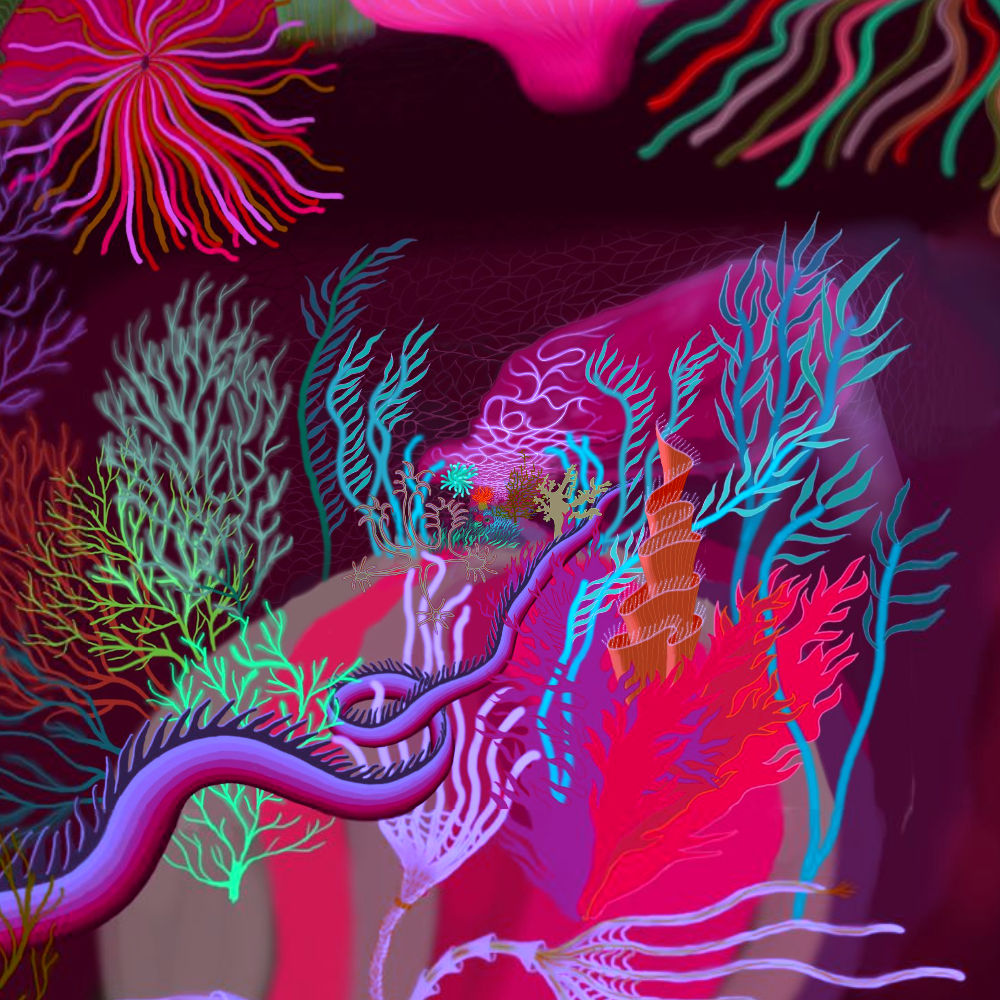
Arkadia Zoomquilt

MOSS — A Painting Toy Where Every Brush Is a Tiny Program

special fish

Protect Our Sisters BD added a... - Protect Our Sisters BD
Osman Charlie

26 reactions · 7 comments | পরIদার বিধান নিয়ে অ.পপ্রচIর ও মু.সলিম...

Protect our Sister's

Save Our Sisters

6.8K views · 224 reactions | "Save Muslim Girls" - ওয়েবসাইটটি নিয়ে তো...

NLG Condemns OFAC Designation of Palestine Action and Autistici/Inventati, Calls for Challenges - National Lawyers Guild

State Department Advances Trump Crackdown on ‘Far-Left Terrorism’

Palestine Action

Pro-Palestine activists who were sentenced as terrorists launch appeal

Silencing the Streets

US declares Palestine Action a ’terrorist group’

US immigration authorities raid home of Democratic Trump critic Ilhan Omar

イルハン・オマル

Ilhan Omar

J-Type 101 — Secret Riso Club

Lost in Translation? A Designer’s Guide to Japanese Type – PRINT Magazine