


I recently read Debt: the First 5000 Years by David Graeber, and it has stuck on my mind for a while. It’s one of those “Everybody is wrong about X, here is what you’ve missed in plain sight” -type…
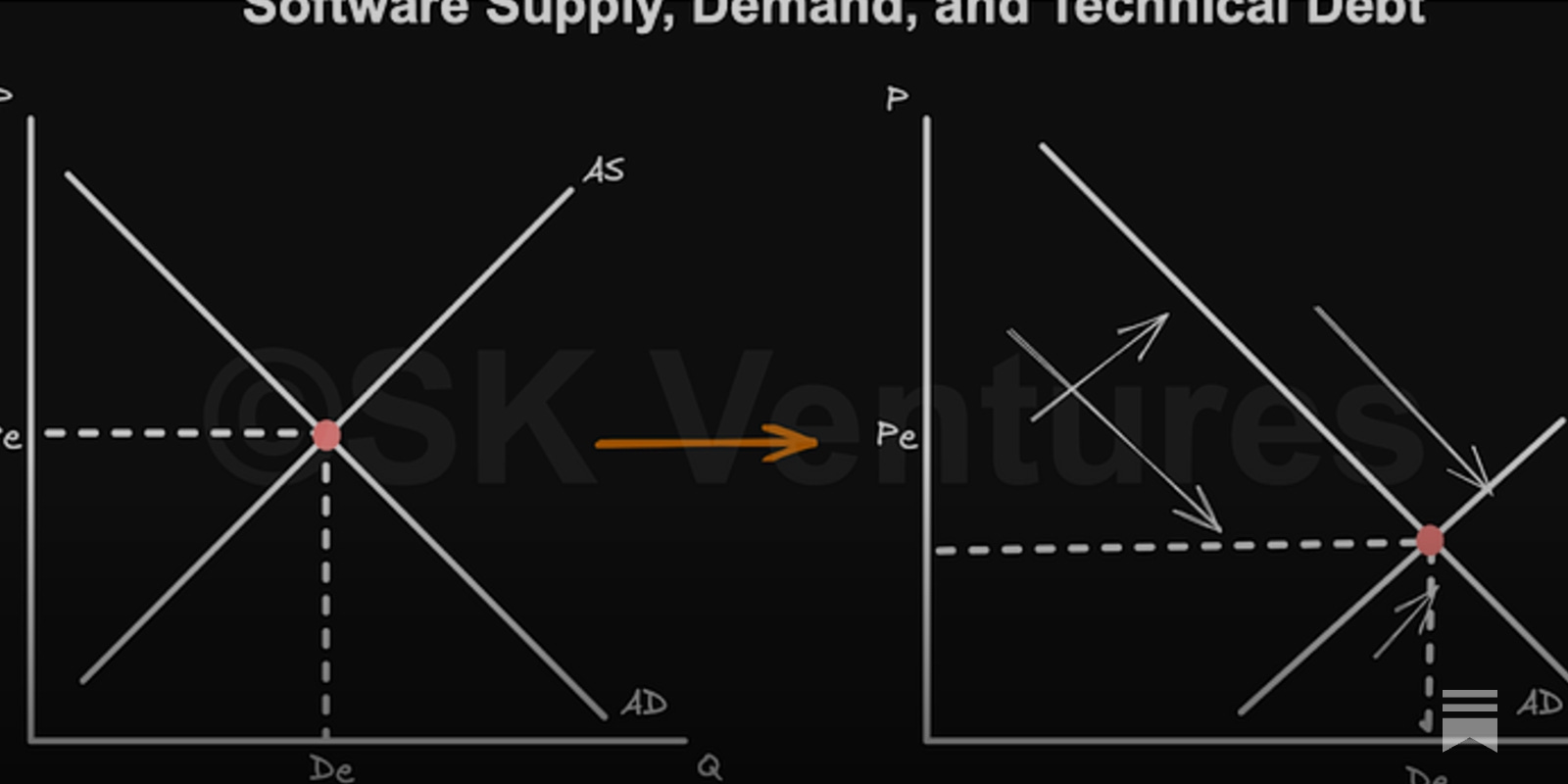
Peter Thiel’s Graph of the Year
"A whole generation of Americans is struggling under the crushing burden of debt as they postpone their dreams for a tomorrow that may never come."

Debt literacy, financial experiences, and overindebtedness
We analyze a national sample of Americans with respect to their debt literacy, financial experiences, and their judgments about the extent of their indebtedness. Debt literacy is a component of broader financial understanding that measures knowledge about debt and self-assessed financial knowledge. Financial experiences are the participants’ reported experiences with traditional borrowing, alternative borrowing, and investing. Overindebtedness is a self-reported measure. Debt literacy is low, with only about one-third of the population grasping the basics of interest compounding. Even after controlling for demographics, we find a relationship between debt literacy and both financial experiences and debt loads. Individuals with lower levels of debt literacy tend to transact in high-cost manners, incurring higher fees and using high-cost borrowing. We provide a rough estimate of the national implications of debt ignorance on credit card costs by consumers. Less knowledgeable individuals also report that their debt loads are excessive or that they are unable to judge their debt position.
Research Debt
Science is a human activity. When we fail to distill and explain research, we accumulate a kind of debt...
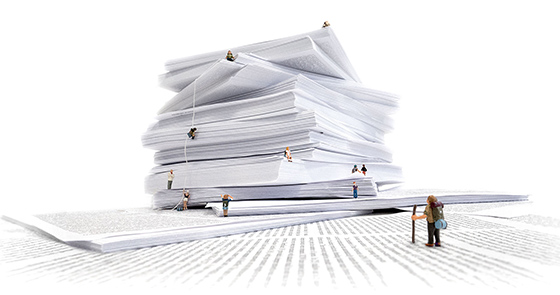
annotations: Cela changerait-il les choses si la BCE annulait la dette qu’elle détient ?
Traduction française de Paul De Grauwe (2021), « Debt cancellation by the ECB. Does it make a difference? »
On shifting consumers from high‐interest to low‐interest debt
Abstract In the United States, many consumers are increasingly accumulating debt, much of which is harmful and expensive. Prior research has devoted a great deal of attention to understanding why consumers generally get into debt and the strategies they can use to repay existing debts. While this work has furthered the agenda of helping consumers reduce or eliminate their overall debt balances, it has failed to emphasize the fact that for many consumers, debt may be unavoidable. This article aims to promote research that addresses not only overall debt reduction but also the need for consumers to shift from more to less costly types of debt. By shedding light on the psychological reasons why consumers may naturally gravitate toward more costly forms of debt when less costly ones may be available, we offer a novel perspective on why consumers get into and stay in debt longer than they should. This new angle has the potential to spur on further research into the ways consumers can use debt more effectively and less expensively in service of the overarching goal of debt reduction.

The Debt Payment Puzzle: An Experimental Investigation
Why do borrowing individuals fail to repay their debt optimally? We design a diagnostic laboratory experiment where we rule out selection into debt and other co

Precautionary borrowing and the credit card debt puzzle
Overconfidence and the Credit Card Debt Puzzle - ProQuest
Explore millions of resources from scholarly journals, books, newspapers, videos and more, on the ProQuest Platform.
A Model of Money and Credit, with Application to the Credit Card Debt Puzzle
Abstract. Many individuals simultaneously have significant credit card debt and money in the bank. The credit card debt puzzle is as follows: given high in
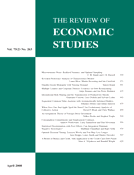
Imagining your future projects is holding you back.
There is no book. There is only Idea Debt.

When Motivation is against Debtors' Best Interest: The Illusion of Goal Progress in Credit Card Debt Repayment
The authors explore the illusion of goal progress by consumers who own multiple credit cards and pay off their debt balances to facilitate the achievement of their subgoal rather than the superordinate goal of being debt-free. The first experiment shows that debtors use their savings toward the credit card debt they can pay off entirely or substantially, even if it is associated with the smallest balance and the lowest annual percentage rate rather than toward the debt with the highest annual percentage rate. The second experiment reveals that when the income available to pay down the debt is in the form of effortless money (i.e., windfall or reward money) as opposed to hard-earned savings, the tendency to allocate money toward the smallest credit card debt is exacerbated. However, people tend to pay their debt more rationally when the number of debt accounts increases. Finally, the third experiment shows that credit card debt repayment decisions depend on the nature of the debt (hedonic vs. utilitarian) and the timing of consumption benefits (past vs. future). The article concludes with a discussion of managerial and public policy implications.

A Taxonomy of Tech Debt
Hi there. I’m Bill “LtRandolph” Clark, and I’m the engineering manager for the Champions team on LoL . I’ve worked on several different teams on League over the past years, but one focus has been consistent: I’m obsessed with tech debt. I…

Debt Traps? Market Vendors and Moneylender Debt in India and the Philippines
A debt trap occurs when someone takes on a high-interest-rate loan and is barely able to pay back the interest, and thus perpetually finds themselves in debt (often by refinancing). Studying such practices is important for understanding financial decision-making of households in dire circumstances, and also for setting appropriate consumer protection policies. We conduct a simple experiment in three sites in which we paid off high-interest moneylender debt of individuals. Most borrowers returned to debt within six weeks. One to two years after intervention, treatment individuals were borrowing at the same rate as control households.
Lower-income country debt payments hit highest level in 30 years - Debt Justice
Lower-income country debt payments have trebled in the last decade, according to figures calculated by Debt Justice based on IMF and World Bank data
