When AI collapses how long it takes to ship, what’s left is judgment, experimentation, and knowing what not to build.
After AI Takes Everything | Airing
Prompted by letters from three engineers, the author asks what remains for humans as AI takes over execution, naming judgment, taste, and derivation as irreplaceable, and warns against the erosion of subjecthood.

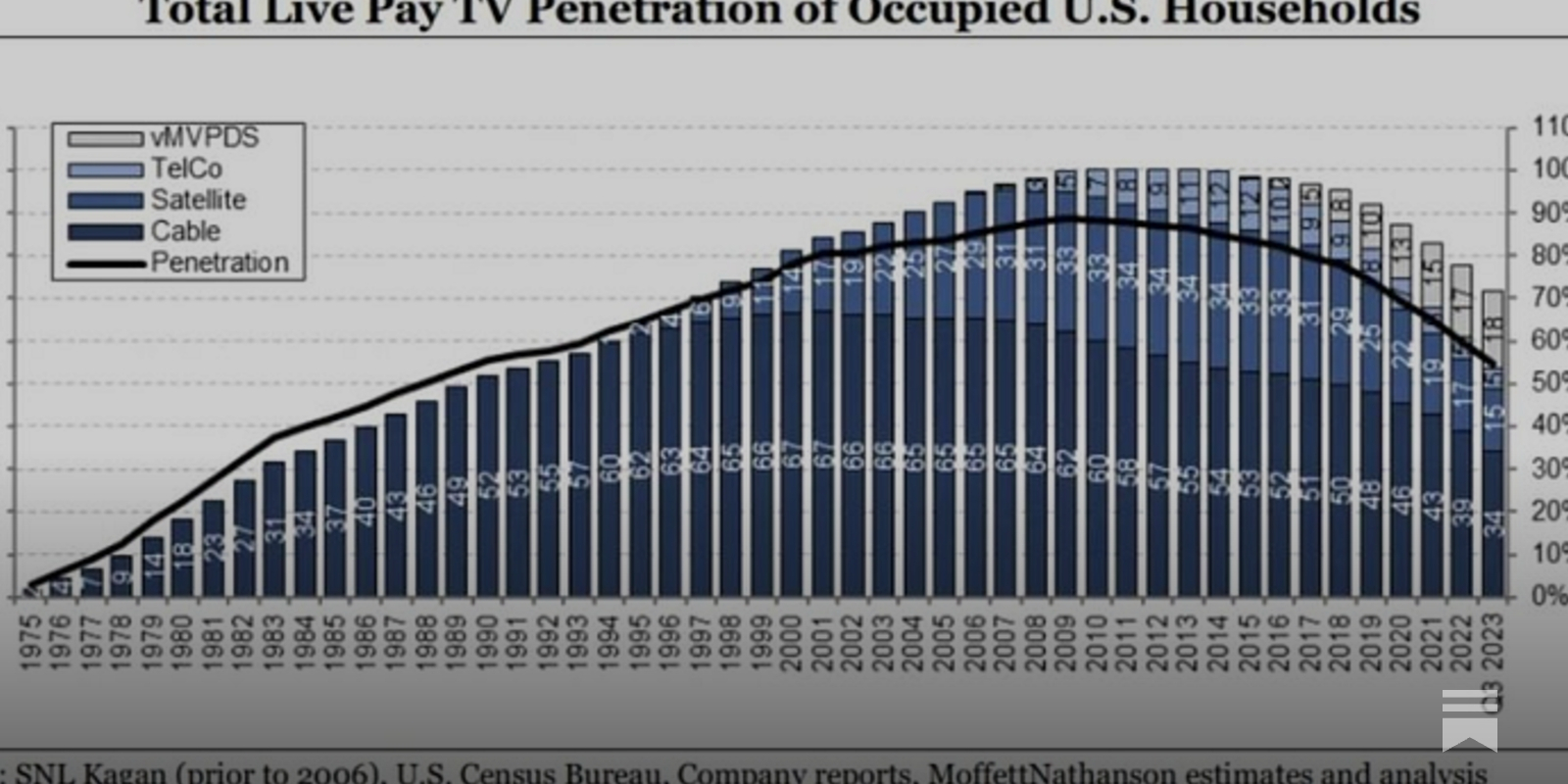
AI is Creating Peak Software, Media is the Best Analogy
Let's learn more about the world's most important manufactured product. Meaningful insight, timely analysis, and an occasional investment idea.
TrendLife Study Shows AI Is Moving Fast, but Consumers and Families are Being Left Behind
New study of over 10,000 consumers across 9 countries reveals worry exceeds excitement about generative AI as most lack the tools and confidence to use it safely TOKYO, May 6, 2026 /PRNewswire/ --...

TasteVal: Measuring the Experimental Research Taste of AI Systems Against Human Experts
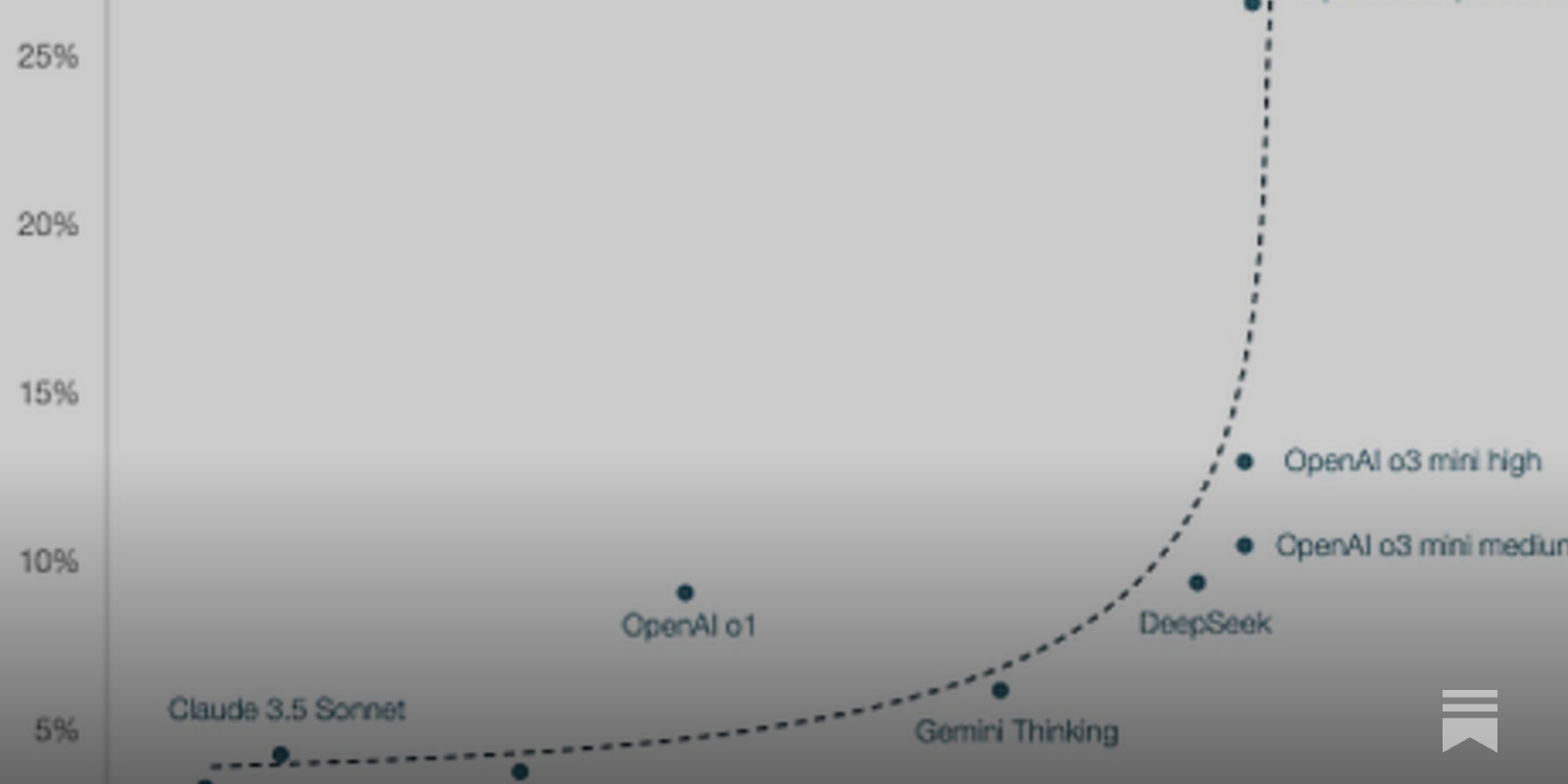
We introduce TasteVal, a benchmark to evaluate the experimental research taste of frontier models. We define research taste as the ability to pick interesting problems to solve, design experiments, and interpret experimental results. TasteVal measures the experimental component of research taste; given a fixed research problem, we measure how well a model iteratively designs experiments and draws conclusions from their outcomes. We operationalize experimental research taste as compute efficiency; a Researcher who reaches the same score as an expert human using half the serial experimental compute has twice the experimental taste. Experimental taste thus acts as a multiplier on experimental compute, making it a key input to forecasts of AI progress. TasteVal consists of 8 novel, challenging, open-ended tasks representative of frontier AI R&D. To isolate taste from coding ability, the model under evaluation acts as a Researcher that iteratively designs experiments while a fixed Coder agent implements them and reports their results. The Researcher executes until either the 40 H100 hour or 120 wall-clock hour budgets are exhausted. We recruit 24 human experts, at least 2 per task, and take the best expert attempt per task as the expert baseline. We evaluate 20 models released between 2023 and 2026. The best-performing model, Opus 5.5, exceeds our expert baseline, with a compute multiplier of 2.3x (95% CI 1.15-4.37), at roughly 1/30 of our baseliners' average per-run cost. On TasteVal, the compute multiplier of frontier models has doubled approximately every 3.0 months since December 2025 (95% CI 1.7-5.0), up from every 14 months between 2023 and December 2025. Measured by final normalized performance, frontier models show no trend break, doubling every 14.6 months. To keep TasteVal uncontaminated, we do not release the tasks.

Thinking—Fast, Slow, and Artificial: How AI is Reshaping Human Reasoning and the Rise of Cognitive Surrender
People increasingly consult generative artificial intelligence (AI) while reasoning. As AI becomes embedded in daily thought, what becomes of human judgment? We

Our minds did not evolve for AI
AI is mental junk food: tasty and tempting, but ultimately unhealthy — a cognitive hot dog
What we can’t measure about AI – yet | Aeon Essays
The costs of transformative innovations are immediately clear: it’s the longterm gains that are hardest to understand

Bring a Product Manager Mindset to Your Next Engineering Job
The age of AI demands strong ideas, data driven methods, and experimentation

AI co-scientists are revolutionizing how research is done
Artificial-intelligence systems can generate hypotheses, design experiments and analyse data — but humans still need to decide what makes sense.

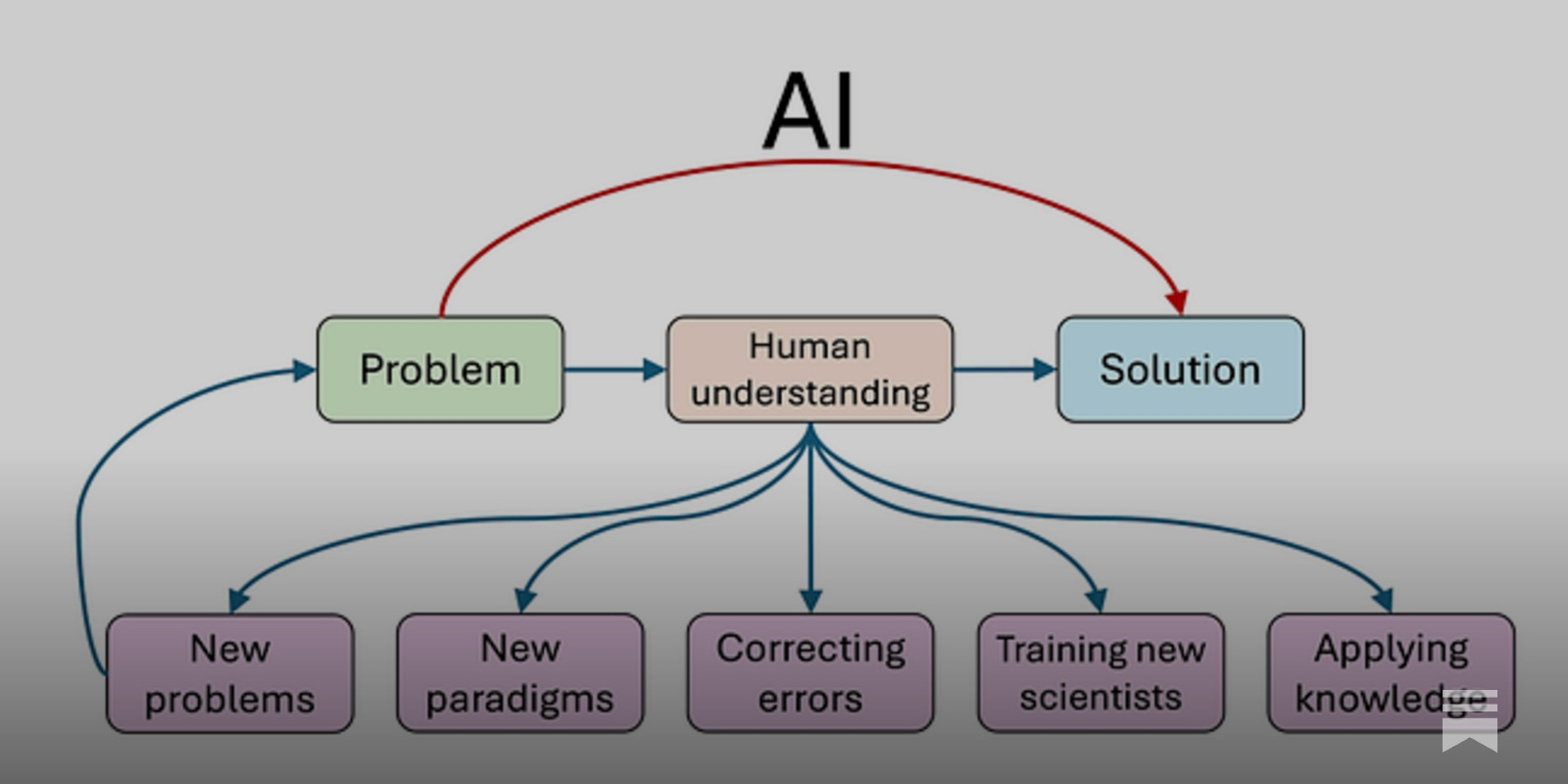
Deep Research, information vs. insight, and the nature of science
What AI will accelerate in the scientific process, what it cannot do, and how we can prepare for new manners of scientific investigation.
Our minds aren’t equipped to handle AI
AI is junk food for the mind: easy, tempting and ultimately very bad for you.


Are we offloading too much of our thinking to AI?
Reflections on autonomy and the value of thinking for ourselves
Study Finds Consumers Are Actively Turned Off by Products That Use AI
Researchers have found that including the words "artificial intelligence" in product marketing is a major turn-off for consumers.

Where does the rigor go? Research software and the future of trustworthy science.
Generative AI now makes it dramatically easier to produce something that looks like research: analysis code, figures, literature reviews, even whole pap…