

A friend called me last week. Someone who’d built web applications back for a long time before moving exclusively to backend and infra work. He’d just opened a modern React codebase for the first time in over a decade.
Next.js by Vercel - The React Framework
Production grade React applications that scale. The world's leading companies use Next.js by Vercel to build static and dynamic websites and web applications.
Real-World React: Designing Frontend Architectures That Survive Production | Workshops | Faris Aziz
Most React workshops focus on building features. This one focuses on keeping them alive. In production, React applications fail in ways that local environments never show: partial outages, slow dependencies, silent errors, broken rollouts, and performance regressions that only appear under real traffic. This workshop is a practical, architecture-first walkthrough of how experienced teams design React systems that stay resilient, observable, and scalable long after the first release. We will explore how component architecture, reconciliation in practice, and runtime failure patterns shape performance and operability far more than memoization tricks or framework features. Using React and Next.js as shared reference points, we will work through concrete patterns for failure recovery, error containment, safe rollouts, and post-deployment confidence. This is a hands-on, experience-driven workshop based on real production constraints, tradeoffs, and lessons learned from operating large React applications at scale. Attendees will leave with a mental model for building frontend systems that can fail safely, recover quickly, and ship continuously without fear. Most of the workshop is framework and library-agnostic, but we'll use React and Next.js as our common ground for communication and examples. This is not an exhaustive masterclass; it's a conversation starter and experience share to jumpstart your journey toward battle-tested software architecture.
Barış Özdemirci - Full-Stack Developer
Full-stack developer based in Berlin. Specializing in TypeScript, React, Node.js, and React Native.
A practical guide to frontend System Design
Sam, a passionate frontend developer, had been in the job market for what felt like...

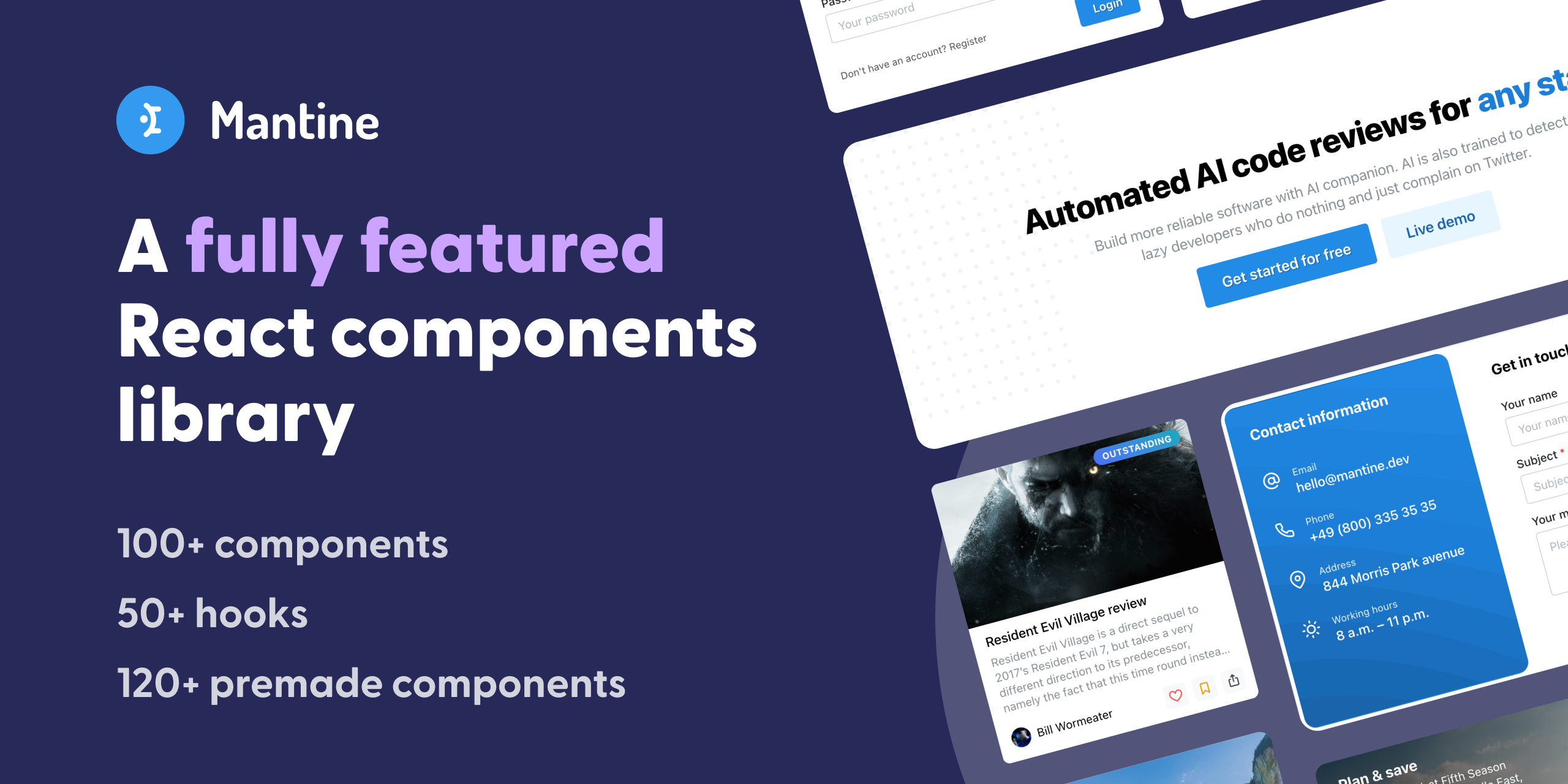
Mantine
A fully featured React components library with 120+ customizable components, hooks, and utilities. Build accessible web applications faster.
frontend-design - Skill
Create distinctive, production-grade frontend interfaces with high design quality. Use this skill when the user asks to build web components, pages, or applications. Generates creative, polished code that avoids generic AI aesthetics.
Developing with ReactJS: An Interview with Gatsby's Kyle Mathews | Netlify
Realize the speed, agility and performance of a scalable, composable web architecture with Netlify. Explore the composable web platform now!
Dominik Biedebach — Senior Frontend Engineer (React, Tiptap, ProseMirror) Berlin
Senior Frontend Engineer in Berlin specializing in React, TypeScript, and the Tiptap/ProseMirror ecosystem. Core maintainer of Tiptap — building tools for the people who build the web.
Octane — React's programming model, compiled
React's programming model, compiled ahead of time. No VDOM, no rules of hooks.
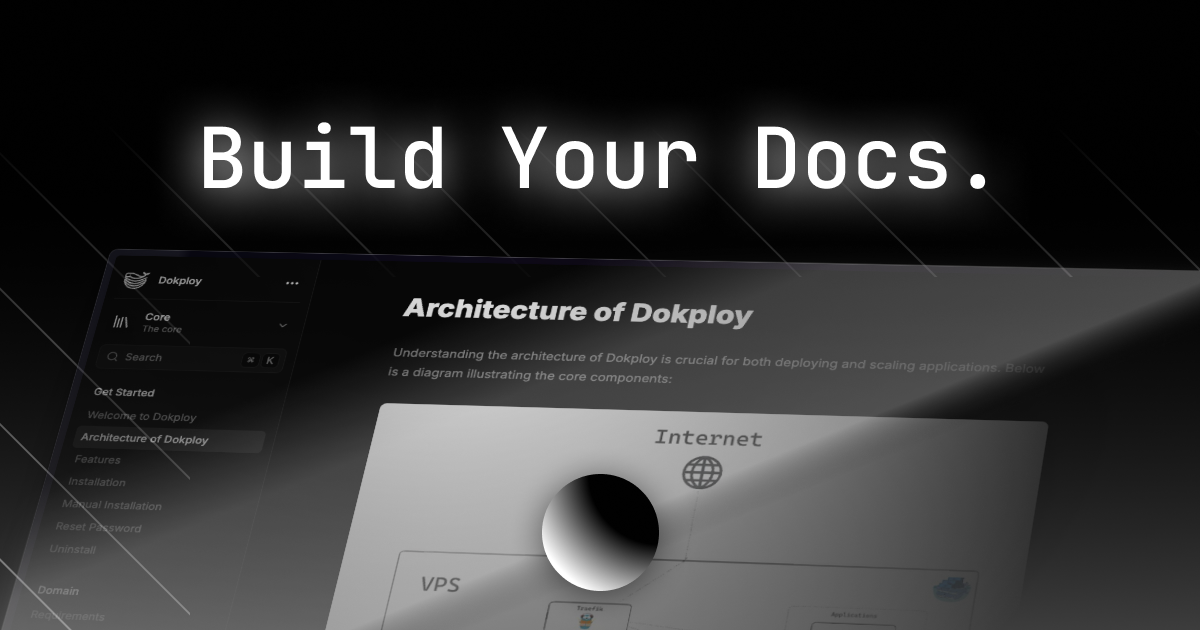

React
React is the library for web and native user interfaces. Build user interfaces out of individual pieces called components written in JavaScript. React is designed to let you seamlessly combine components written by independent people, teams, and organizations.

Payload: The Next.js Headless CMS and App Framework
Built with TypeScript and React, Payload is an open-source headless CMS and application framework. Build anything.

the hermetic, self-hosted, self-sustainable, recursively exportable, offline-first, file-first, web-based reactive open-source programming substrate built on observable runtime is online finally! tomlarkworthy.github.io/lopecode/webpage.html I am hoping I can explain parts at @hytradboi.bsky.social 🤞
Frontend Dev, UI/UX, & Design

aka. the hard part
Inclusive Design for a Digital World

Mindful Design

Brutally Honest Advice About Web Design in 9 mins
UI/Design (by Brady Hawkins) — Semble

Design outside the computer
Tailwind CSS (by Bee 🐝) — Semble
