

Reposted from Alex McLean. I’m off to the RMA study day on “Embodied Research Methods in Music & Sound” in…
Alpaca Conference
Alpaca conference will feature 35 speakers and workshop leaders exploring algorithmic patterns in the creative arts, showcasing pattern-based work across music, textiles, dance and more.

How do we bridge two worlds of math?
Art of Noise
A multi-sensory exploration of how design has changed the way we’ve experienced music over the past 100 years.

SPEC.md at main · center.for.cybernetic.beauty/atmosynth-patch-spec
Specifications on how to store web audio graphs for music production in ATproto lexicons
Jordan Rudess and MIT’s jam_bot: A New Era of Human-AI Musical Collaboration
As We May Think Credit: Mostafa 'Neo' Mohsenvand

Divining an Afrofuturist Music Education – ACT
Published in Action, Criticism, and Theory for Music Education 22 (4): 131–58. [pdf] https://doi.org/10.22176/act22.4.131
Playbooks — Renaissance Philanthropy – A brighter future for all through science, technology, and innovation
Christopher Alexander’s A Pattern Language defines 253 methods for constructing beautiful and practical designs at every scale, from cities to rooms.

Deconstructing the algorithmic sublime
This special theme contextualizes, examines, and ultimately works to dispel the feelings of “sublime”—of awe and terror that overrides rational thought—that much of the contemporary public discourse on algorithms encourages. Employing critical, reflexive, and ethnographic techniques, these authors show that while algorithms can take on a multiplicity of different cultural meanings, they ultimately remain closely connected to the people who define and deploy them, and the institutions and power relations in which they are embedded. Building on a conversation we began at the Algorithms in Culture conference at U.C. Berkeley in December 2016, we collectively study algorithms as culture (Seaver, this special theme), fetish (Thomas et al.), imaginary (Christin), bureaucratic logic (Caplan and boyd), method of governance (Coletta and Kitchin; Lee; Geiger), mode of inquiry (Baumer), and mode of power (Kubler). [Box: see text]

Malleable Music Ensembles
A framework using generalized algebraic theories and categorical lenses to enable interoperable, local-first networked music ensembles.
Mino Music — ATProto Composer
Sound Obsessed — collection
ABOUT
NYC experimental live music calendar • noise, improv, jazz, new music, avant-electronics, weirdos • performance against corporate interests!

🎵 ATmusic

ATProto projects related to music. #ATmosphereConf
AI & Music - developments & perspectives

Perspectives, developments, & news re: AI & music
Algorithm Mediated Experiences

On the effects of algorithms on everyday experiences
Musicat
Tempo Music
Malachite

d-_-b Share your top artists weekly!
atradio.fm — social internet radio on AT Protocol

atjams

YouTube Music adds new labels for AI music
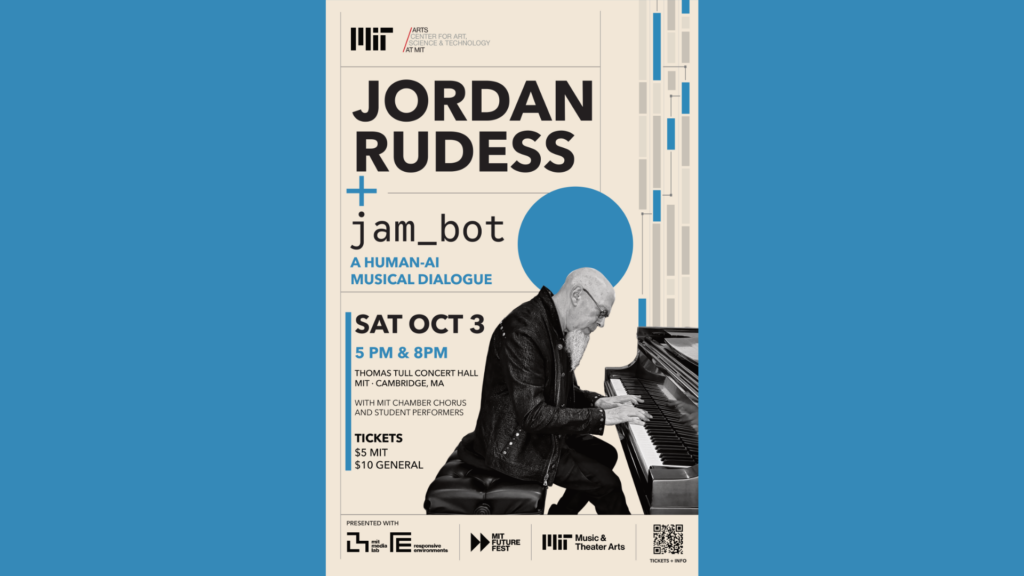
Jordan Rudess + jam_bot at MIT October 3
Jordan Rudess and MIT’s jam_bot: A New Era of Human-AI Musical Collaboration
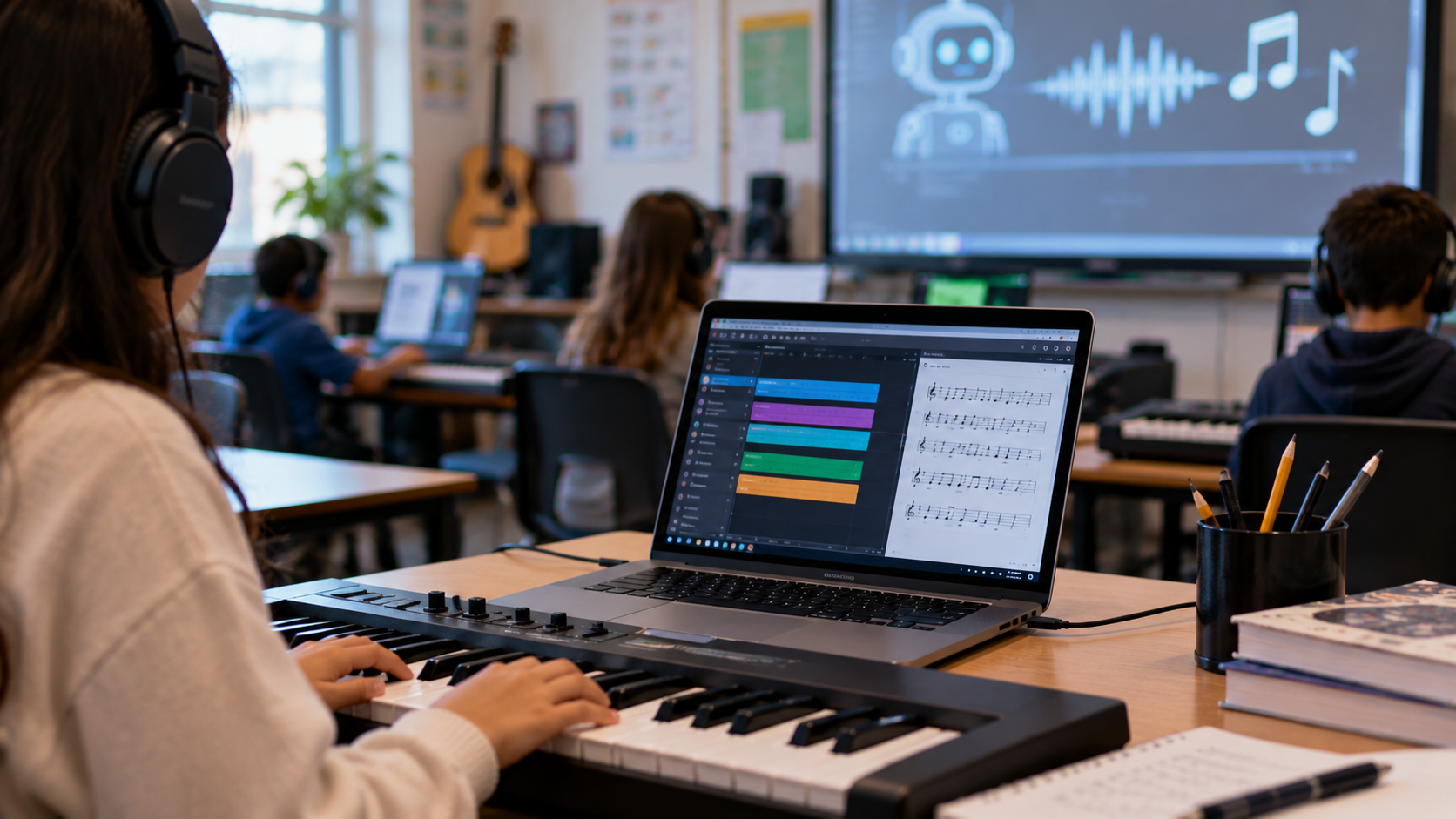
Artificial Intelligence in Music Classrooms: PK-12 Educators’ Practices, Concerns, and Confidence

“It frustrates me to hear people bashing something that's so amazing”: Todd Edwards is optimistic about AI in music production

An A.I. Songwriting Experiment: Humans Against the Machine

Resisting the Hivemind: Pluribus, Generative AI, and Empire - Reactor
The Last Quiet Thing

Generative Ethics: How AI Model Choice Shapes Social and Financial Performance

Political Sorting Can Drive AI Models Apart Through User Feedback

Network dynamics of social influence in the wisdom of crowds

Biased AI writing assistants shift users’ attitudes on societal issues