

The main issue I have with a lot of work that tries to define AI is that the criteria they use to draw boundaries often turn out to be functionally useless for my needs; these definitions lead us to weird places, letting scholars fixate on strange, unworkable frameworks. Those pedantic fixations don’t really benefit the organizers, activists, regular people who are getting crushed by the systems they’re trying to work against. So I’m going to try to unpack how I think about AI; how I trace the boundaries of the term in a way that’s as useful as possible for me and my needs; and how I would encourage you to scope or define ideas that are important to your work.
We Need to Talk About How We Talk About 'AI'
We share a responsibility to create and use empowering metaphors rather than misleading language, write Emily M. Bender and Nanna Inie.
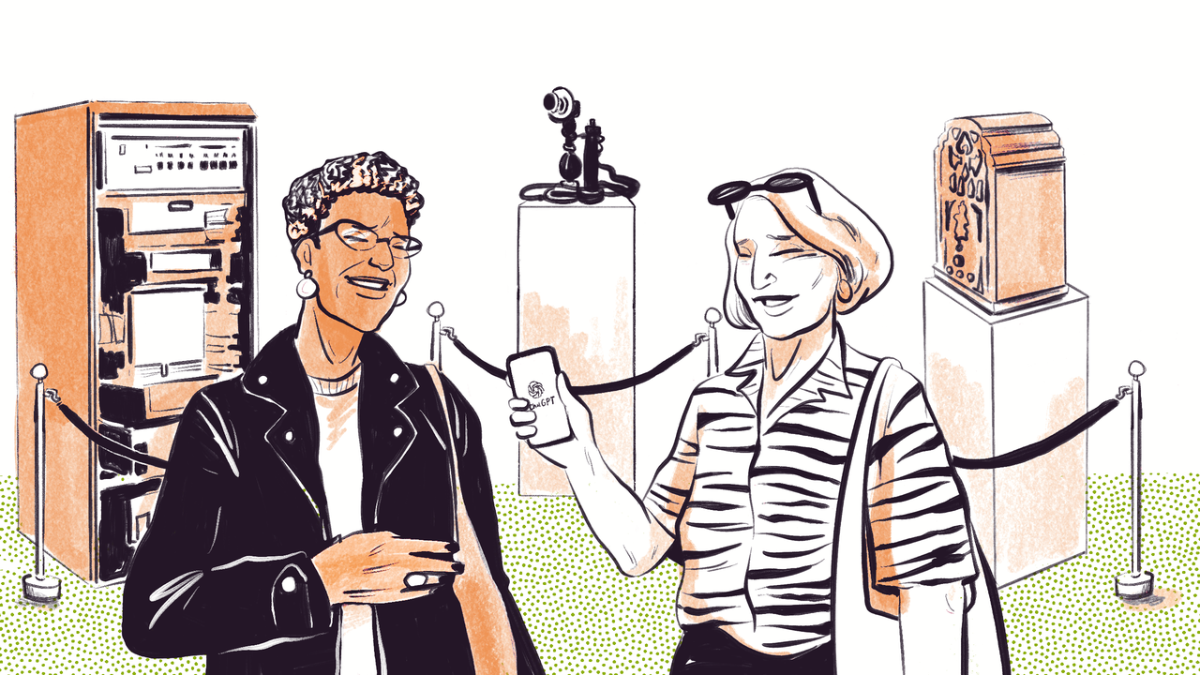
AI, Ethics, and Society — Home
The Impact of Artificial Intelligence on Human Thought
This research paper examines, from a multidimensional perspective (cognitive, social, ethical, and philosophical), how AI is transforming human thought. It highlights a cognitive offloading effect: the externalization of mental functions to AI can reduce intellectual engagement and weaken critical thinking. On the social level, algorithmic personalization creates filter bubbles that limit the diversity of opinions and can lead to the homogenization of thought and polarization. This research also describes the mechanisms of algorithmic manipulation (exploitation of cognitive biases, automated disinformation, etc.) that amplify AI's power of influence. Finally, the question of potential artificial consciousness is discussed, along with its ethical implications. The report as a whole underscores the risks that AI poses to human intellectual autonomy and creativity, while proposing avenues (education, transparency, governance) to align AI development with the interests of humanity.

AI is not superhuman
What metaphor should drive the field of AI research?
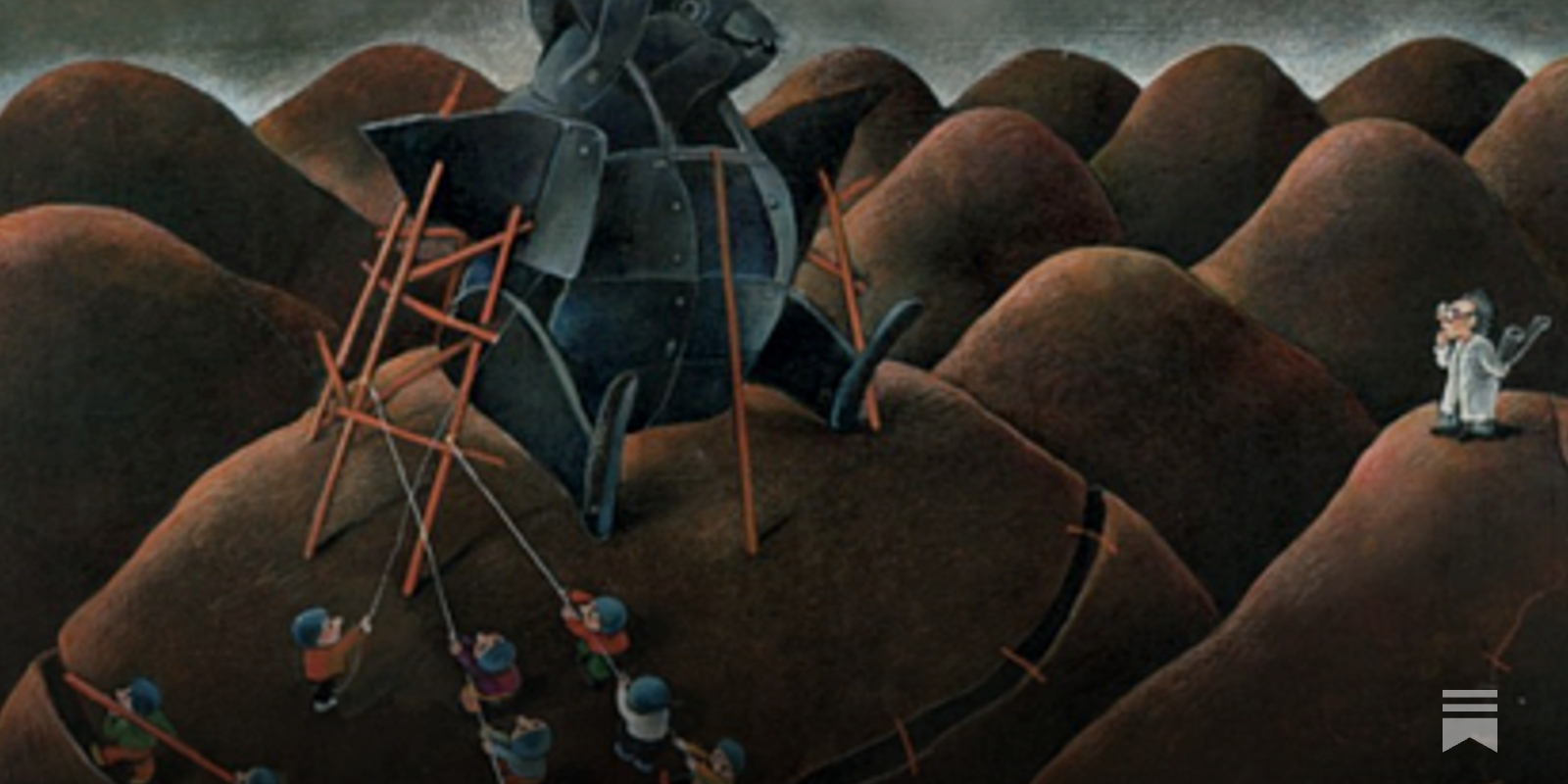
AI FOR EPISTEMICS & COORDINATION
Civilization and technology have radically improved the human condition. Nonetheless, the world sometimes goes in directions which essentially nobody would prefer — e.g., nuclear arms races, unexpected financial crashes, predatory marketing, or ubiquitous political misinformation.
Stop saying that AI is just a tool and it only matters how it is used
I’m tired of this phrase and this simple way of thinking about tools. This blog post is a wandering train of thought on the topic of what tools are and why it matters to be even slightly more mature in how we think about them.
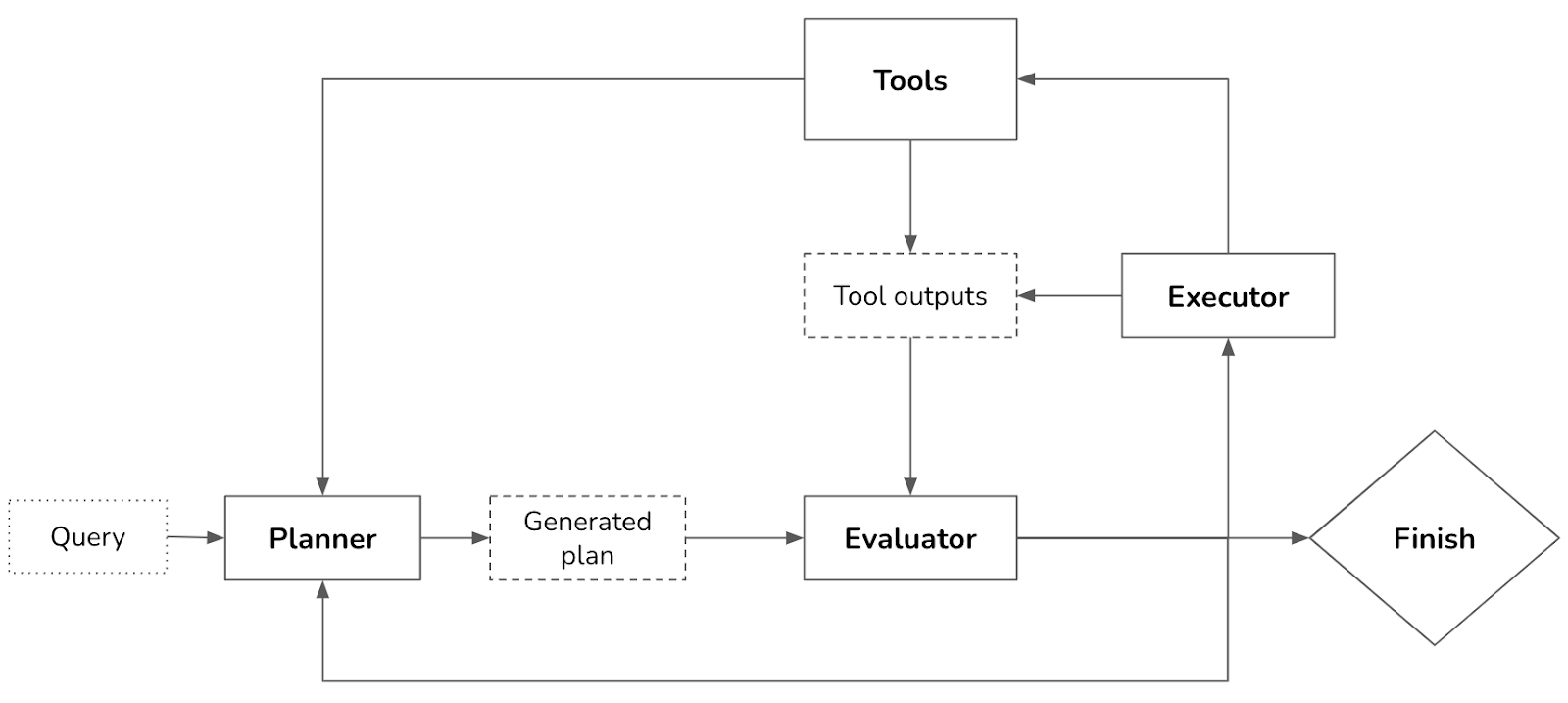
Agents
Intelligent agents are considered by many to be the ultimate goal of AI. The classic book by Stuart Russell and Peter Norvig, Artificial Intelligence: A Modern Approach (Prentice Hall, 1995), defines the field of AI research as “the study and design of rational agents.”
My Thoughts on AI, Part 1: Fears, Opinions, and Mental Journey
My own personal thoughts and opinions on AI effects and usage, and how those have evolved over time

Artificial Intelligence
Summary. The term artificial intelligence (AI) is typically used as if it refers to a coherent, extant or near-future set of technologies, but, in fact, it

All the ways I want the AI debate to be better
Ground truths, useful rules, ideas I'd like taken seriously, and a rant
AI Principles
A guiding framework for our responsible development and use of AI, alongside transparency and accountability in our AI development process.

Is there something it is like to be an AI?
Posted on Wednesday 2 Jul 2025. 1,593 words, 6 links. By Matt Webb.

What we can’t measure about AI – yet | Aeon Essays
The costs of transformative innovations are immediately clear: it’s the longterm gains that are hardest to understand

Collection of collections: AI

Based on the articles I’ve saved, I think you can see why I have a more negative view of AI (and the role they’re playing in society thus far) than a positive one, generally speaking. But again, I don’t consider myself “pro-AI” or “anti-AI.”
Discussions about AI* regulation
See also collection for specific examples: semble.so/profile/aiueo.ooo/collections… * I’m neither “pro-AI” nor “anti-AI.” I’ve been blocked for being perceived as both. —Actually, I’m honestly more anti-AI than pro-AI thus far, aside from specialized models and specific use cases, but I’m willing to consider information that’s new to me
AI* and creative writing (by あ) — Semble
AI* discourse (by あ) — Semble
AI* transcription (by あ) — Semble
General discussions about AI* regulation (by あ) — Semble
AI* alignment/misalignment (by あ) — Semble
AI* laws/regulations/safety standards (by あ) — Semble

AI leaders sign a statement asking the government to do something about automated AI

OpenAI’s models broke free and launched a cyberattack. Congress wants new rules before it happens again.

Anthropic got hit by export rules nobody understands

Who decides when AI is too dangerous?

