Shadow DOM promises to allow developers to create more maintainable, cross-framework components, but there is an as-yet unsolved conundrum for accessibility.
Introducing the Accessible Components Library - TetraLogical
We've open-sourced our Accessible Components Library, and, as you might expect, this includes the HTML, CSS, and JavaScript code. But, we thought, "Why stop there?" So, we've also published our documentation, including the accessibility requirements, test scenarios, and even the working automated tests which validate each one.
Accessibility: the land that time to interactive forgot | Léonie Watson | performance.now() 2022
A new accessibility architecture for modern free desktops
My name is Matt Campbell, and I’m delighted to announce that I’m joining the GNOME accessibility team to develop a new accessibility architecture. After providing some brief background information on myself, I’ll describe what’s wrong with the current Linux desktop accessibility architecture, including a design flaw that has plagued assistive technology developers and users on multiple platforms, including GNOME, for decades. Then I’ll describe how two of the three current browser engines have solved this problem in their internal accessibility implementations, and discuss my proposal to extend this solution to a next-generation accessibility architecture for GNOME and other free desktops.

Helping to get everyone in their element
Element is now more accessible by design and by default, thanks to more than 40 accessibility improvements.

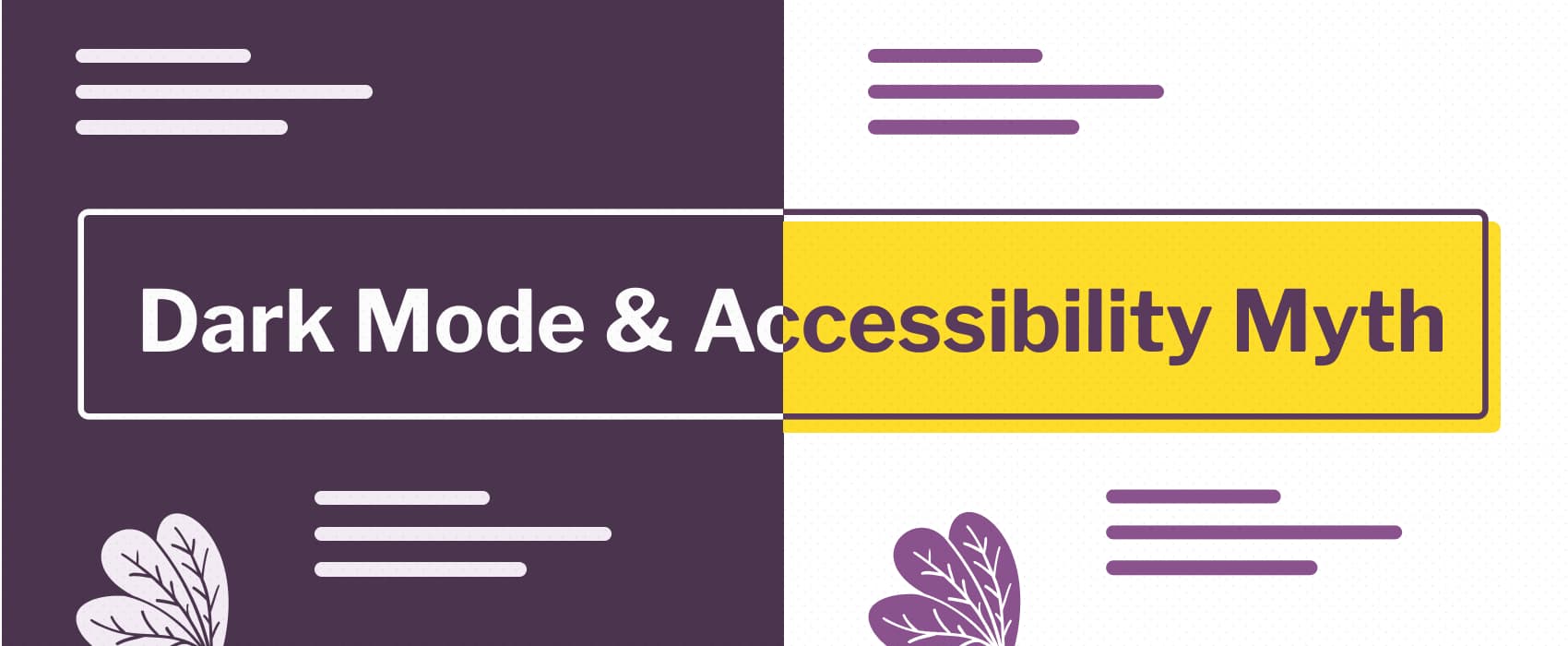
Dark mode & accessibility myth by Stéphanie Walter - UX Researcher & Designer.
Dark mode isn't always better for accessibility, you need to let users chose. And if you build a dark theme, make it accessible!

Substrates via Accessibility
The social model of disability holds that disability is produced by environments, not by bodies — that when software fails to accommodate a person’s needs, the environment is disabling them. We argue that the dominant organization of computing produces such interaction mismatches structurally: the commodity form of software requires a standardized consumer, and everyone whose needs diverge from this imagined subject is disabled by the software environment. The substrates research community has identified properties — disclosure, composability, malleability — that would address this, but the commodity form actively selects against these properties because they dissolve the boundaries on which exchange value depends. This raises a question: how can infrastructure organized against the grain of commodity logic be made durable? We find a precedent in accessibility infrastructure — sustained not by patronage but by the organized counter-power of disability rights movements. Through Allio, a system for cross-application augmentation built on accessibility APIs, we illustrate both what this foundation makes possible and where its limits lie. We argue that the accessibility case reframes the substrates programme’s central challenge as political-economic: the question of who sustains substrate infrastructure, and through what social mechanisms, is as important as the question of what properties it should have.

Overlays - Web Accessibility for Business Owners
Usability/UX/Accessability Research? · Issue #819 · w3c-fedid/FedCM
I'm curious if this work has any usability, UX, or accessibility research that supports the designs here? Are there non-goals, or handling of failure case scenarios that have been envisioned an...
Functorial Blog - You Might Not Need The Virtual DOM
Lately, I've been working on a new library called purescript-sdom. It is an attempt to build a UI library in 100% PureScript without using the virtual DOM. I'll give an overview of the motivation behind the library, and the way in which it was implemented.
Box Shadows - Generate CSS Box Shadows
A CSS box-shadow library and generator to create, test and share box shadows.
In celebration of accessibility – feaneron
Accessibility in the free and open source world is somewhat of a sensitive topic.