


Millions rely on browser extensions like The Great Suspender — it’s time for their security to match their popularity.
AI browser extensions are a security nightmare | 1Password
AI-powered browser extensions come with alarming security risks, but most companies still don't have policies for how their employees can use them.

Browser extension privacy update
We’re pleased to announce a privacy-focused update to the Inoreader browser extension: the “Read and change all your data on…

Why Did Mozilla Remove XUL Add-ons?
TL;DR: Firefox used to have a great extension mechanism based on the XUL and XPCOM. This mechanism served us well for a long time. However, it came at an ever-growing cost in terms of maintenance for both Firefox developers and add-on developers. On one side, this growing cost progressively killed any effort to make Firefox secure, fast or to try new things. On the other side, this growing cost progressively killed the community of add-on developers. Eventually, after spending years trying to protect this old add-on mechanism, Mozilla made the hard choice of removing this extension mechanism and replacing this with the less powerful but much more maintainable WebExtensions API. Thanks to this choice, Firefox developers can once again make the necessary changes to improve security, stability or speed. During the past few days, I’ve been chatting with Firefox users, trying to separate fact from rumor regarding the consequences of the August 2020 Mozilla layoffs. One of the topics that came back a few times was the removal of XUL-based add-ons during the move to Firefox Quantum. I was very surprised to see that, years after it happened, some community members still felt hurt by this choice. And then, as someone pointed out on reddit, I realized that we still haven’t taken the time to explain in-depth why we had no choice but to remove XUL-based add-ons. So, if you’re ready for a dive into some of the internals of add-ons and Gecko, I’d like to take this opportunity to try and give you a bit more detail.
Mozilla is Launching Curated Recommended Extensions Program This Summer - Slashdot
An anonymous reader shares a report: However much you love your chosen web browser, you have probably enhanced its capabilities through the use of add-ons. Finding decent, reliable add-ons can be tricky, and this is why Mozilla is launching the Recommended Extensions program. This editor-curated pro...

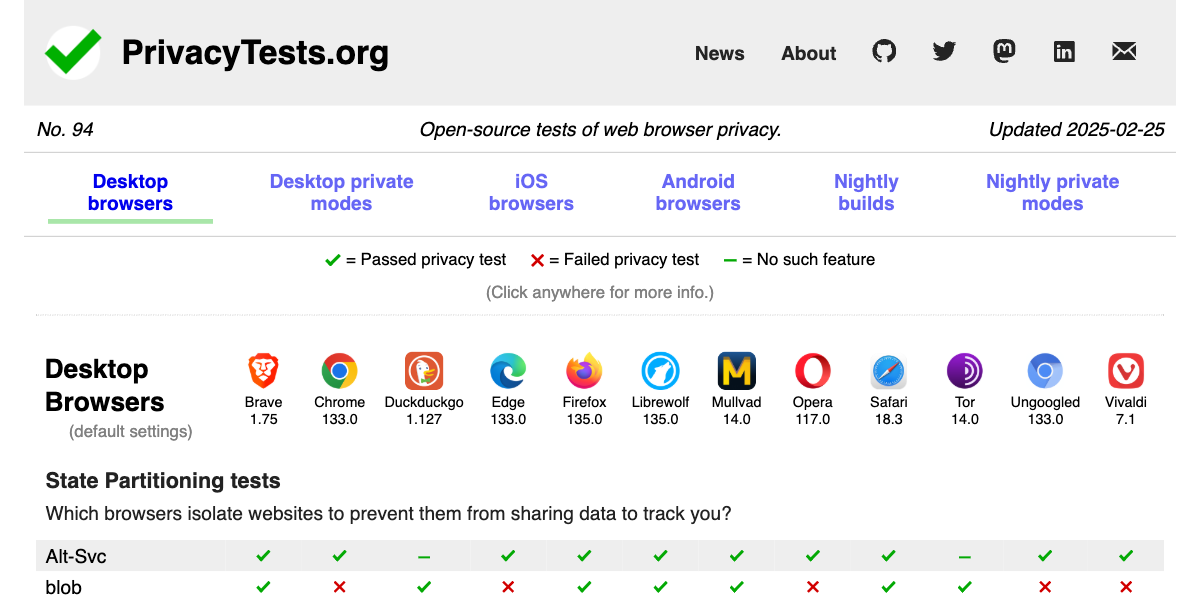
Which browsers are best for privacy?
An open-source privacy audit of popular web browsers.
SLAP and FLOP: Apple's Lack of Full Site Isolation and iOS Browser Ban Puts Users at Risk - Open Web Advocacy
TL:DR; Yet again Apple’s ban on third-party browser engines weakens security rather than strengthens it.
Introduction to Google Chrome Extensions
I built my perfect browser with Firefox extensions — and now I can't go back
Turning Firefox into my dream browser

jqssun/android-helium-browser
Secure open-source Android browser with support for extensions
Browser extensions turn nearly 1 million browsers into website-scraping bots
Extensions load unknown sites into invisible Windows. What could go wrong?

Privacy vs. Profit: The Impact of Google's Manifest Version 3 (MV3) Update on Ad Blocker Effectiveness
Google's recent update to the manifest file for Chrome browser extensions, transitioning from manifest version 2 (MV2) to manifest version 3 (MV3), has raised concerns among users and ad blocker providers, who worry that the new restrictions, notably the shift from the powerful WebRequest API to the more restrictive DeclarativeNetRequest API, might reduce ad blocker effectiveness. Because ad blockers play a vital role for millions of users seeking a more private and ad-free browsing experience, this study empirically investigates how the MV3 update affects their ability to block ads and trackers. Through a browser-based experiment conducted across multiple samples of ad-supported websites, we compare the MV3 to MV2 instances of four widely used ad blockers. Our results reveal no statistically significant reduction in ad-blocking or anti-tracking effectiveness for MV3 ad blockers compared to their MV2 counterparts, and in some cases, MV3 instances even exhibit slight improvements in blocking trackers. These findings are reassuring for users, indicating that the MV3 instances of popular ad blockers continue to provide effective protection against intrusive ads and privacy-infringing trackers. While some uncertainties remain, ad blocker providers appear to have successfully navigated the MV3 update, finding solutions that maintain the core functionality of their extensions.

UX Best Practices That Will Make Your Browser Extension Successful
Follow these steps to increase your retention, rank up on the web store, and improve your user experience
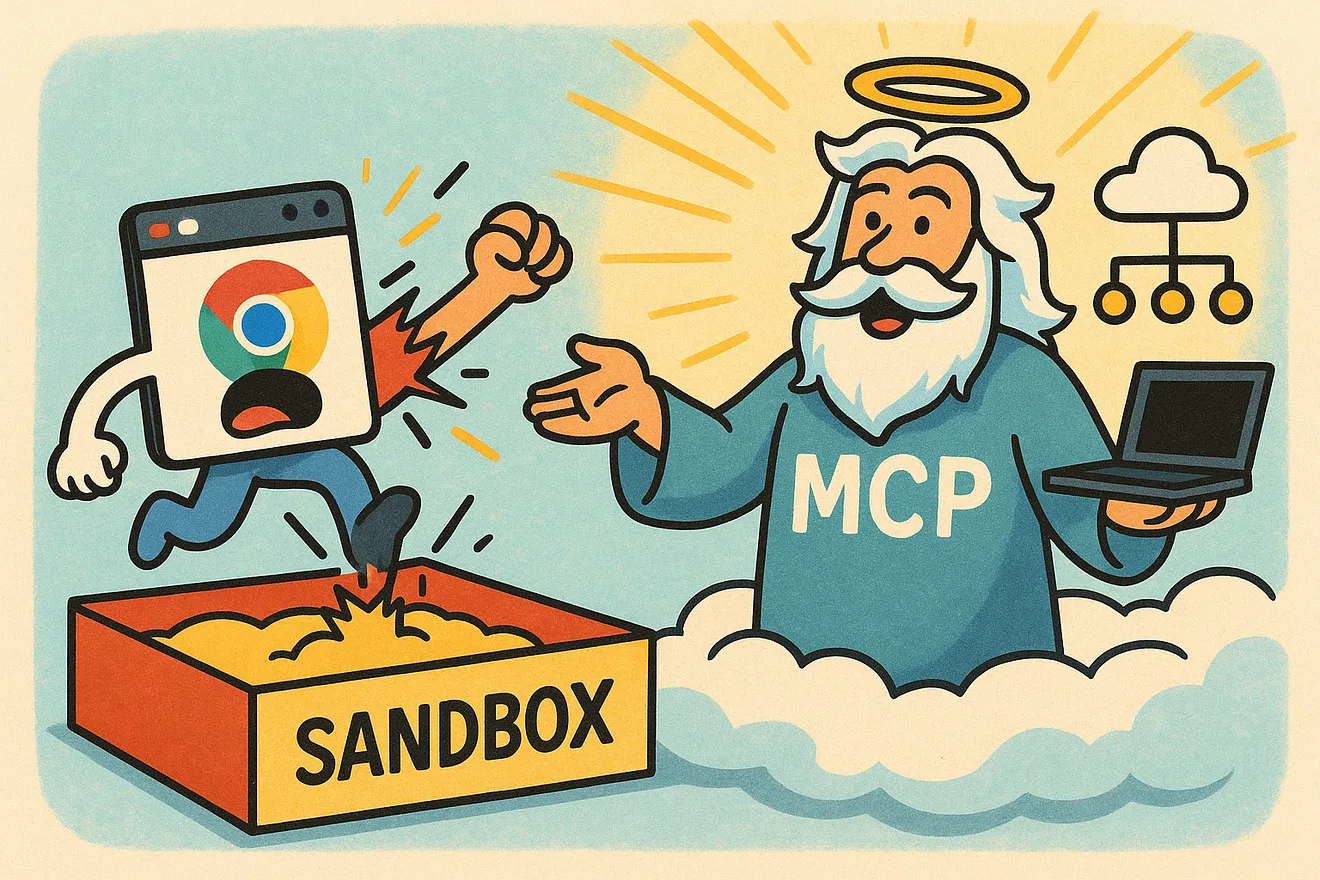
Trust Me, I’m Local: Chrome Extensions, MCP, and the Sandbox Escape
Trust Me, I’m Local reveals how Chrome extensions and MCP abuses enabled sandbox escapes, exposing users to major security vulnerabilities.
In an interview, Firefox's head says it like it is—Google deprecated its old extension system just to sabotage ad blockers arstechnica.com/gadgets/2026/09/mozillas-head…
ATproto Browser Extensions

Mostly Firefox and Chrome extensions (and js bookmarklets). If you find/create browser extensions for Firefox, Chrome, or indie, please add to this collection! GitHub repos for works in progress, and ideas for extensions that don't exist yet welcome and encouraged.
ATproto Browser Extensions
Mostly Firefox and Chrome extensions (and js bookmarklets). If you find/create browser extensions for Firefox, Chrome, or indie, please add to this collection! GitHub repos for works in progress, and ideas for extensions that don't exist yet welcome and encouraged.
Client Challenge

@passport Extension - Chrome Web Store

Standard Reader – Get this Extension for 🦊 Firefox (en-US)

Skyreader – Get this Extension for 🦊 Firefox (en-US)

Skyreader - Chrome Web Store

AT Protocol URI Handler - Chrome Web Store
Client Challenge
@passport Extension - Chrome Web Store
Standard Reader – Get this Extension for 🦊 Firefox (en-US)
Skyreader – Get this Extension for 🦊 Firefox (en-US)
Skyreader - Chrome Web Store
AT Protocol URI Handler - Chrome Web Store
