For years, the observability industry has been telling developers two contradictory things: "Build reliable systems" and "Log less, it's too expensive." This post is about a different shape of data — wide events — that gives you more answers for less money.
Publish events, not logs
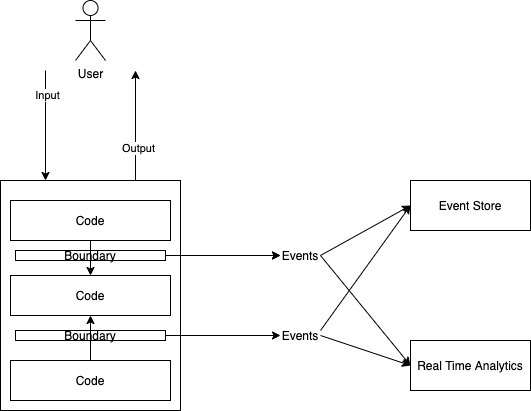
Don't think about logs for observability. Think about system boundaries and events.
Logging Sucks - Your Logs Are Lying To You
Why traditional logging fails and how wide events can fix your observability
All you need is Wide Events, not “Metrics, Logs and Traces”
This quote from Charity Majors is probably the best summary of the current state of observability in the tech industry - a total, mass confusion.
What is Observability (o11y)? And Why Ops Teams Need It Now
Observability for modern ops: correlation across metrics, logs, traces, and events to cut MTTR, curb alert fatigue, and connect service health to business.

OpenTelemetry: A Guide to Observability with Go | Blog
Modern applications are often complex, distributed systems. Debugging them is not fun: you have to follow requests across services, logs get lost, and metrics are often hard to correlate. It's like looking for a needle in a haystack - except the haystack is on fire, and the needle keeps moving. This is where OpenTelemetry (OTel) can help.

Clickhouse is winning the Observability Wars
For roughly the last ten years, a meaningful percentage of my working hours have been spent thinking about observability. If you're not familiar with the term, "observability" is what we call it now that "monitoring" doesn't sound expensive enough. The actual work is unglamorous in that you collect
Logs were our lifeblood. Now they're our liability.
What happens when we collect too much data?

Query logs and traces with SQL in Observability Analytics | Google Cloud Blog
Observability Analytics, formerly Log Analytics, lets you query logs and traces with SQL, and manage buckets programmatically with its API.

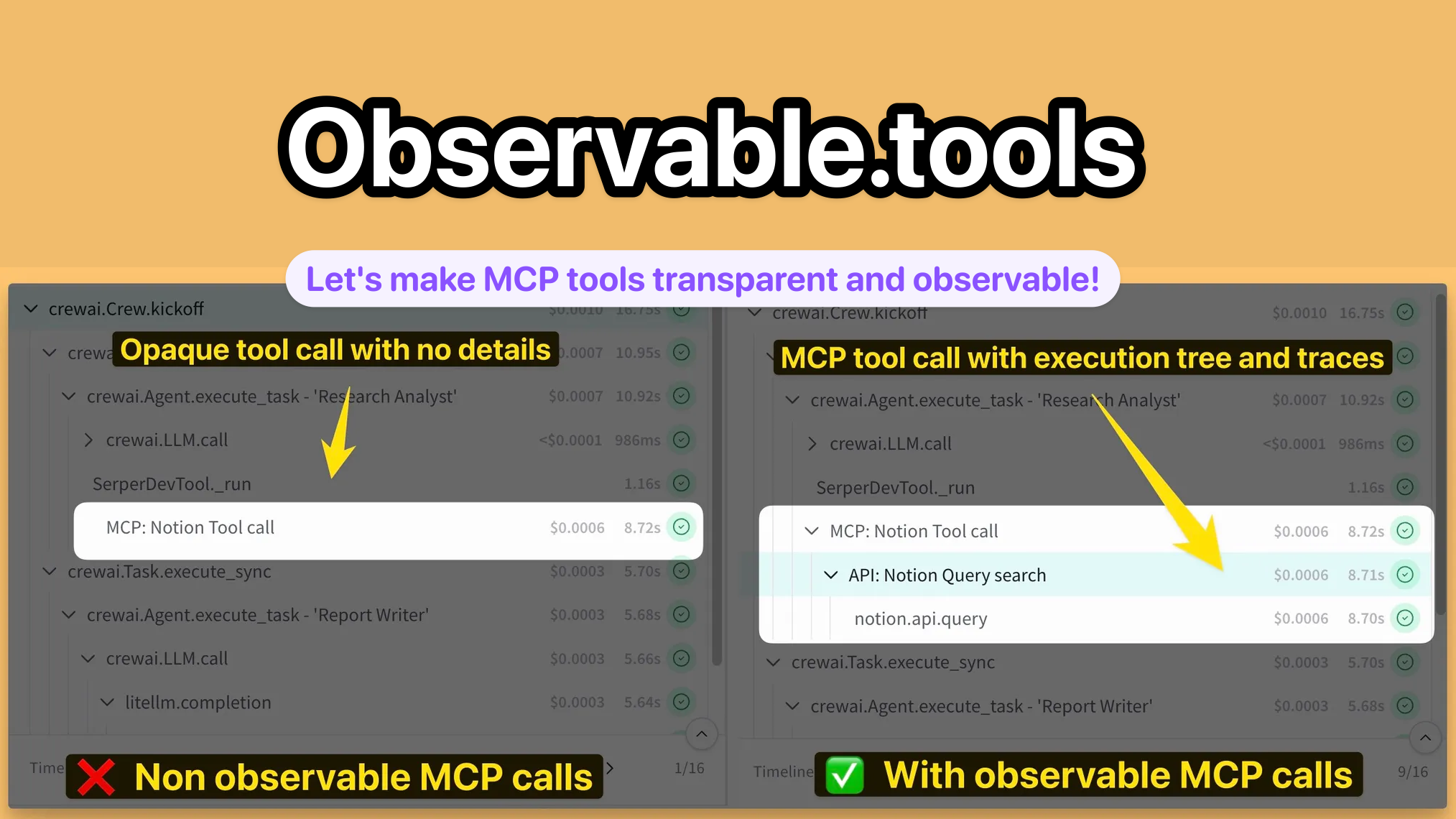
Observable Tools Manifesto
A manifesto for building better observable tools for developers
Why Observability Requires a Distributed Column Store
Alex explains distributed column stores, how they work, why they're so fast, and why that's a fundamental requirement for observability.

Dropping to log-level
Logs are invaluable when things spin out of control.

Cloud Observability
Gain insights to detect and quickly respond to changes in cloud-native and monolithic applications
Outbox Pattern in .NET: Reliable Event Publishing Beyond Idempotent APIs
Learn how the Outbox Pattern solves dual-write failures in .NET systems. Covers EF Core implementations, MassTransit, NServiceBus, observability, migration strategies, and high-performance optimizations for event-driven architectures.

Rethinking security for the age of AI - The Official Microsoft Blog
Editor’s note: Updates with additional details on the model’s crash score. Why security needs a new cyber stack — Introducing Project Perception The physics of cybersecurity are changing. Autonomous systems can now reason, adapt and operate continuously. At the same time, the cost of offense is falling, while the volume, velocity and complexity of what...

Rethinking cloud operations with agentic observability - The Official Microsoft Blog
Cloud operations are entering a new era as AI-driven and autonomous agents become a larger part of modern software systems. As software becomes increasingly agentic, the challenge is no longer just managing greater scale and complexity. Operators must also contend with systems that evolve faster, act more autonomously and interact across an expanding network of...

Durable Execution Solutions
Build invincible apps with Temporal's open source durable execution platform. Eliminate complexity and ship features faster. Talk to an expert today!