


Active Monitoring of Oxytocin Research Evidence (AMORE) is a platform for living meta-analyses in oxytocin research.
Extraordinary Passion: Oxytocin and Emotional Bonding
Sex, science, and Tantra - how to have incredible orgasms and amazing sex, and a completely non-spiritual look at why Tantra has such amazing effects.
Evidence-Based Toxicology
An open science journal publishing evidence-based research in the toxicological and human environmental health sciences, investigating how environmental exposur

Dispatch
An occasional update on the lab’s latest findings, appearances, and happenings.

Alerts | Elicit: Al for scientific research
AI monitoring and screening with Elicit Alerts help you stay on top of all new research. Save a new alert mid-workflow and be notified when new relevant papers become available.

Matthew B. Jané
PhD candidate in Quantitative Psychology and Neuroscience at the University of Connecticut. Forensic meta-science and statistical methods for meta-analysis.

Best practice portal – evidence database | The European Union Drugs Agency (EUDA)
Explore the most recent data on the drug situation in Europe provided by the EU Member States. These datasets underpin the analysis presented in the agency's work. Most data may be viewed interactively on screen and downloaded in Excel format.
Metaudits
Audits of how completely research is described in DataCite, Crossref, ORCID, OpenAlex and repositories. In English, Spanish and German.
evidence.guide
Evidence intelligence platform: dashboards, docs, and tooling for trustworthy research quality.
Things that Apparently Cause Cancer
What does this methodology measure anyway?

AI for Drug Discovery Needs Trustworthy Biological Data
To unleash the potential of AI in life sciences and drug discovery, biological datasets must be authenticated, validated, and supported by standardized metadata.
The Dark Side Of Inhaling Rare Xenon Gas | VICE | Blueprint
Meta-Analysis Error Reports
This site compiles forensic reports of errors found in meta-analyses. To submit your own error report, contact me (Matthew B. Jané) at matthewbjane@gmail.com.
ACE: Audit Clinical Evidence
Independent audits of published clinical research for statistical errors, data inconsistencies, and research integrity violations.
Evidence appraisal: a scoping review, conceptual framework, and research agenda
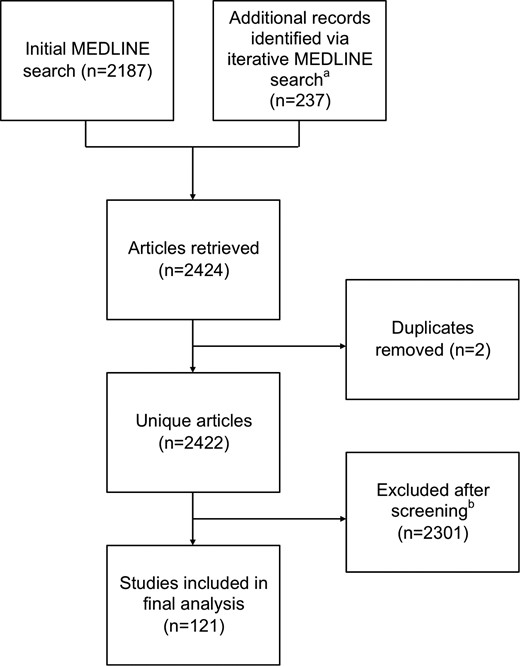
Abstract Objective Critical appraisal of clinical evidence promises to help prevent, detect, and address flaws related to study importance, ethics, validity, applicability, and reporting. These research issues are of growing concern. The purpose of this scoping review is to survey the current literature on evidence appraisal to develop a conceptual framework and an informatics research agenda. Methods We conducted an iterative literature search of Medline for discussion or research on the critical appraisal of clinical evidence. After title and abstract review, 121 articles were included in the analysis. We performed qualitative thematic analysis to describe the evidence appraisal architecture and its issues and opportunities. From this analysis, we derived a conceptual framework and an informatics research agenda. Results We identified 68 themes in 10 categories. This analysis revealed that the practice of evidence appraisal is quite common but is rarely subjected to documentation, organization, validation, integration, or uptake. This is related to underdeveloped tools, scant incentives, and insufficient acquisition of appraisal data and transformation of the data into usable knowledge. Discussion The gaps in acquiring appraisal data, transforming the data into actionable information and knowledge, and ensuring its dissemination and adoption can be addressed with proven informatics approaches. Conclusions Evidence appraisal faces several challenges, but implementing an informatics research agenda would likely help realize the potential of evidence appraisal for improving the rigor and value of clinical evidence.
Meta’s New AI Asked for My Raw Health Data—and Gave Me Terrible Advice
Meta’s Muse Spark model offers to analyze users’ health data, including lab results. Beyond the obvious privacy risks, it’s not a capable stand-in for a real doctor.

Researchers published in NEJM about using OpenAI’s o3 DeepResearch to discover strong leads in 18 previously unsolved rare diseases o3 produced *explanations* of old lab results (not diagnoses), which researchers vetted and took to the lab AI is not just a black box openai.com/index/diagnose-rare-childhood…

Using AI to help physicians diagnose rare genetic diseases affecting children
openai.com