


For over a century faculty have been forced to choose between scholarship and teaching to optimize scholarly output. AI shows why this is a false choice and dangerous for the liberal arts.
AI is eating the academic publishing industry alive, but some good might come of it
In a publish-or-perish environment where numbers count much more than quality, artificial intelligence has become the great disruptor. But what this could ultimately lead to is universities rebuilding…

AI and the Humanities: A Framework for Language and Literary Scholarship – MLA Task Force on AI in Research and Teaching
When AI Makes Publish-or-Perish Obsolete – tembeling 2.0
For decades, academia has operated on a convenient assumption: academic productivity is a reasonable proxy for academic quality.
Why AI Will Not End Scholarly Publishing (and the Publish-or-Perish Institution)
The machine may not be consuming itself. It may be acquiring a much more efficient engine.
Towards Critical Artificial Intelligence Literacies
Critical Artificial Intelligence Literacies (CAILs) is the collection of ways of thinking about and relating to so-called artificial intelligence (AI) that rejects dominant frames presented by the technology industry, by naive computationalism, and by dehumanising ideologies. Instead, CAILs centre human cognition and uphold the integrity of academic research and education. We present a selection of CAILs across research and education, which we analyse into the following non-orthogonal dimensions: conceptual clarity, critical thinking, decoloniality, respecting expertise, and slow science. Finally, we note how we see the present with and without a wider adoption of CAILs — a fundamental aspect is the assertion that AI cannot be allowed to drive change, even positive change, in education or research. Instead cultivation of and adherence to shared values and goals must guide us. Ultimately, CAILs minimally ask us to contemplate how we as academics can stop AI companies from wielding so much power.
Governing the scholarly AI Commons – Open Future
New report explores how academic communities can shape AI governance in research and publishing, from regulation to community-led approaches.
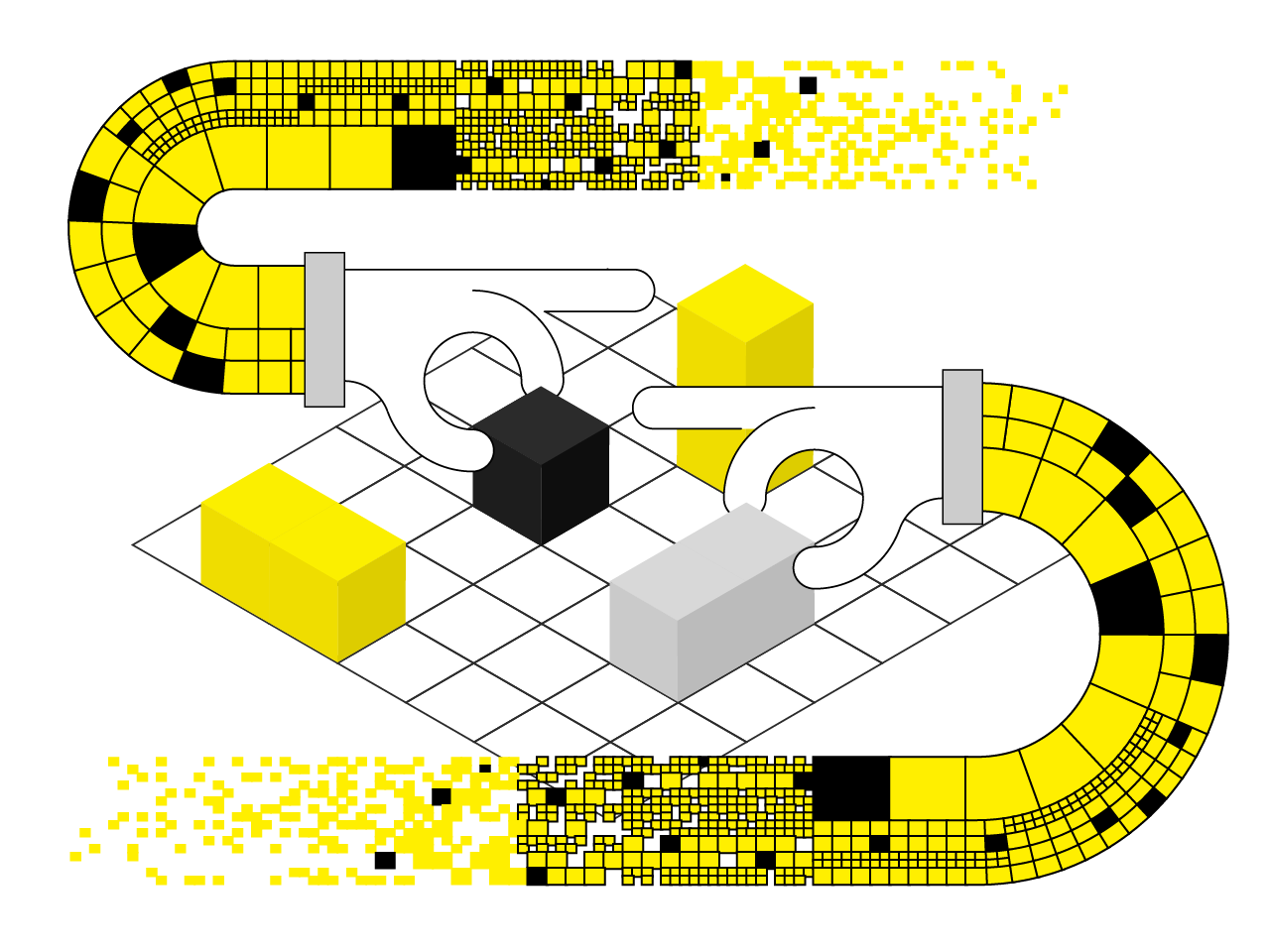
An inference cooperative for academic AI – Writings and rehearsals by Nathan Schneider
Universities, like other institutions, are currently being confronted with a dilemma: embrace the AI tools currently available from big-name tech companies, and be part of the future, or reject the miraculous machines and stick your head in the sand. This dilemma is a false one, on several counts. It is far from clear what role generative AI will have in the future of academic life, for one thing. And beyond rewording the choices, surely there are other options that this dilemma fails to consider.
AI Use in The Scholarly Kitchen - The Scholarly Kitchen
Some thoughts on the reader response the Scholarly Kitchen has seen regarding AI use by authors, a recent Nature News article on the efficacy of AI detection tools, and why it's important to keep experimenting to figure out what's ethically acceptable.
Generative AI is raising new questions for liberal arts education.
Here’s how the University of Richmond is helping lead the quest for answers.
AI Is Hollowing Out Higher Education
Olivia Guest & Iris van Rooij urge teachers and scholars to reject tools that commodify learning, deskill students, and promote illiteracy.
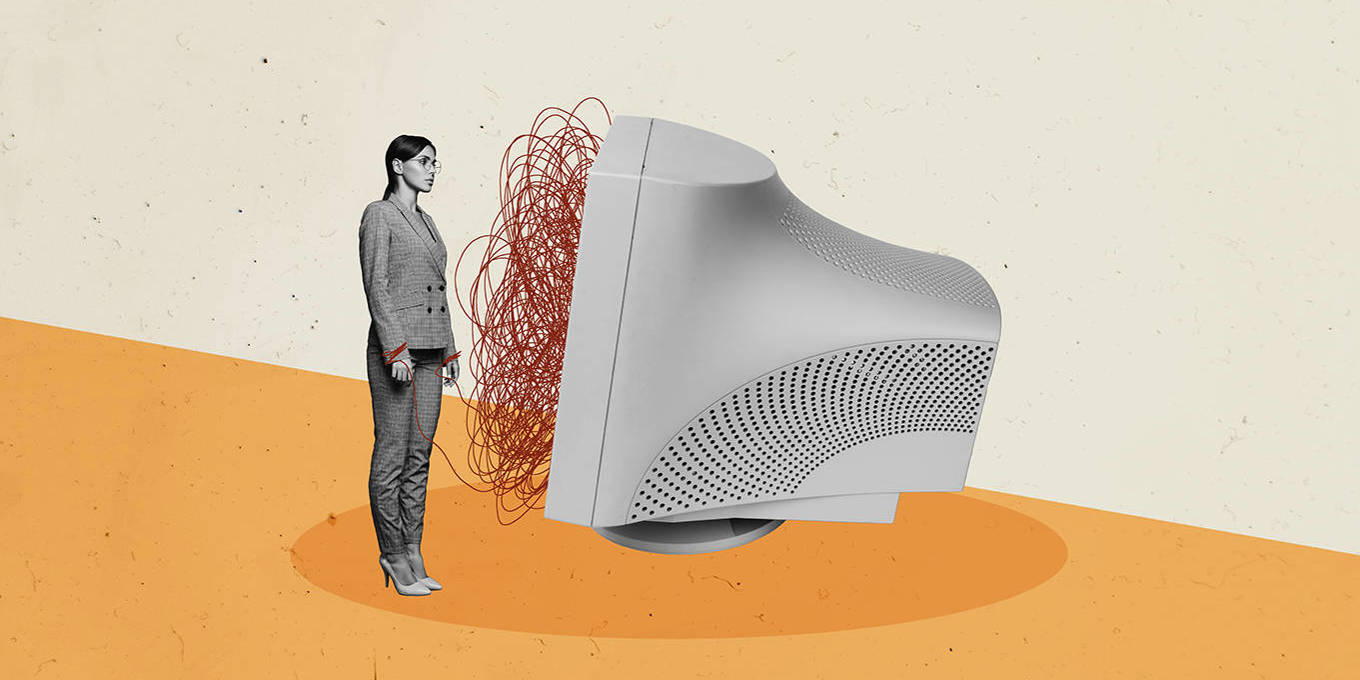
Alex Veremeyenko on Twitter / X
MIT published a brutally honest report on what AI is doing to students.A committee of professors and students spent five months studying how AI changed learning on campus, and the findings read like a warning to every university on the planet.Study groups are disappearing.… pic.twitter.com/kSxKk4h06o— Alex Veremeyenko (@alex_verem) September 12, 2026
Editorial | Penn has an AI problem
The Daily Pennsylvanian Editorial Board argues that Penn’s choice to embrace AI is detrimental to the institution of higher education.
AI in scientific publishing: Slower, worse, and more expensive
There’s a saying in the management world, popularized by NASA administrator Daniel Goldin in the 1990s, that the goal of technological improvements is to make products faster, better, and cheaper. Although this strategy had some success in the aerospace industry, the zealots of artificial intelligence (AI) have been making the same argument regarding how it will transform work, claiming that so little human effort will be required that humanity will enter an era of radical abundance, free from disease, drudgery, and danger, among other benefits, leaving society with more time for creative pursuits. But history tells a different story. When machines began to increase productivity during the second industrial revolution, American engineer Frederick Winslow Taylor’s The Principles of Scientific Management encouraged corporations to use surveillance to get employees to work harder and longer, an approach that exhausted and discouraged workers and led to the transfer of knowledge and any decision-making from workers to management, while enriching the profits for only those at the top. Yet, it remains foundational to the American economic enterprise. Indeed, scientific publishing is starting to experience some Taylorism with the insertion of AI. Rigorous human checking of AI-generated research papers is creating bottlenecks as publishers strive to maintain the integrity of the scientific record. The challenge is requiring even more human effort, making the whole endeavor slower and more expensive.

The AI Discourse in Academia is Toxic. It Doesn’t have to be.
You are allowed to have a nuanced opinion about AI

No. 030: Google Deep Review, AI research taste, AI in dissertations - The Hallway Track
The Hallway Track No. 030 - How AI is affecting the practice of science
One of the innumerable negative externalities arising from LLM technology is the way in which scientific publishing is being swamped with AI slop. I've been suggesting publication caps for a while and I'm glad to see societies experimenting with them.

American Journal of Political Science (AJPS)
AJPS has introduced a new submission cap policy, effective today. Under the new policy, individuals may submit up to three manuscripts as an author or co-author in a 12-month period, with an option to request a waiver for a fourth submission. Read more: ajps.org/2026/11/04/new-ajps-submissio…
