

There's been a thousand posts about vibe coding. Some case studies from Indragie Karunaratne, Edward Yang, and Cloudflare stuck out to me. These are all projects where it's something the creator is already an expert in, or a read-only app where bugs are low-impact, or a well-known standard with a small design space.
Vibe Coding Is the New Open Source—in the Worst Way Possible
As developers increasingly lean on AI-generated code to build out their software—as they have with open source in the past—they risk introducing critical security failures along the way.

Vibe Coding Is Killing Open Source Software, Researchers Argue
‘If the maintainers of small projects give up, who will produce the next Linux?’
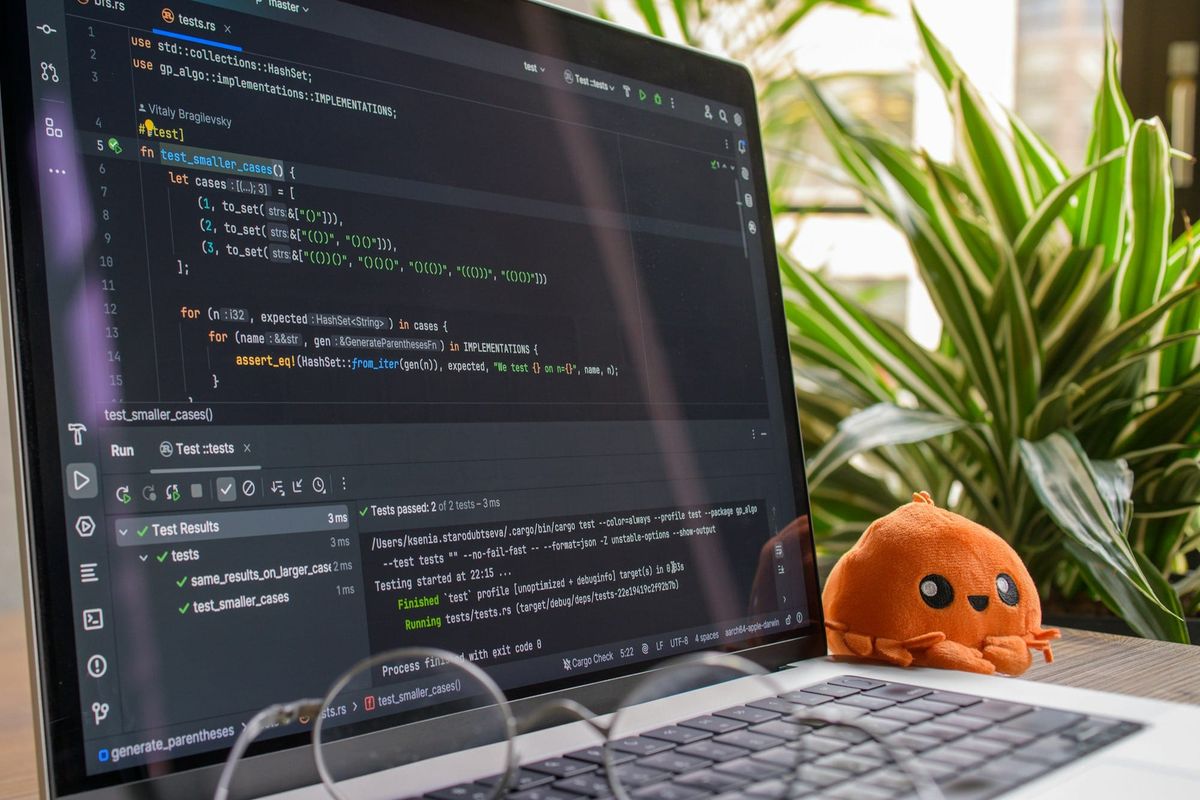
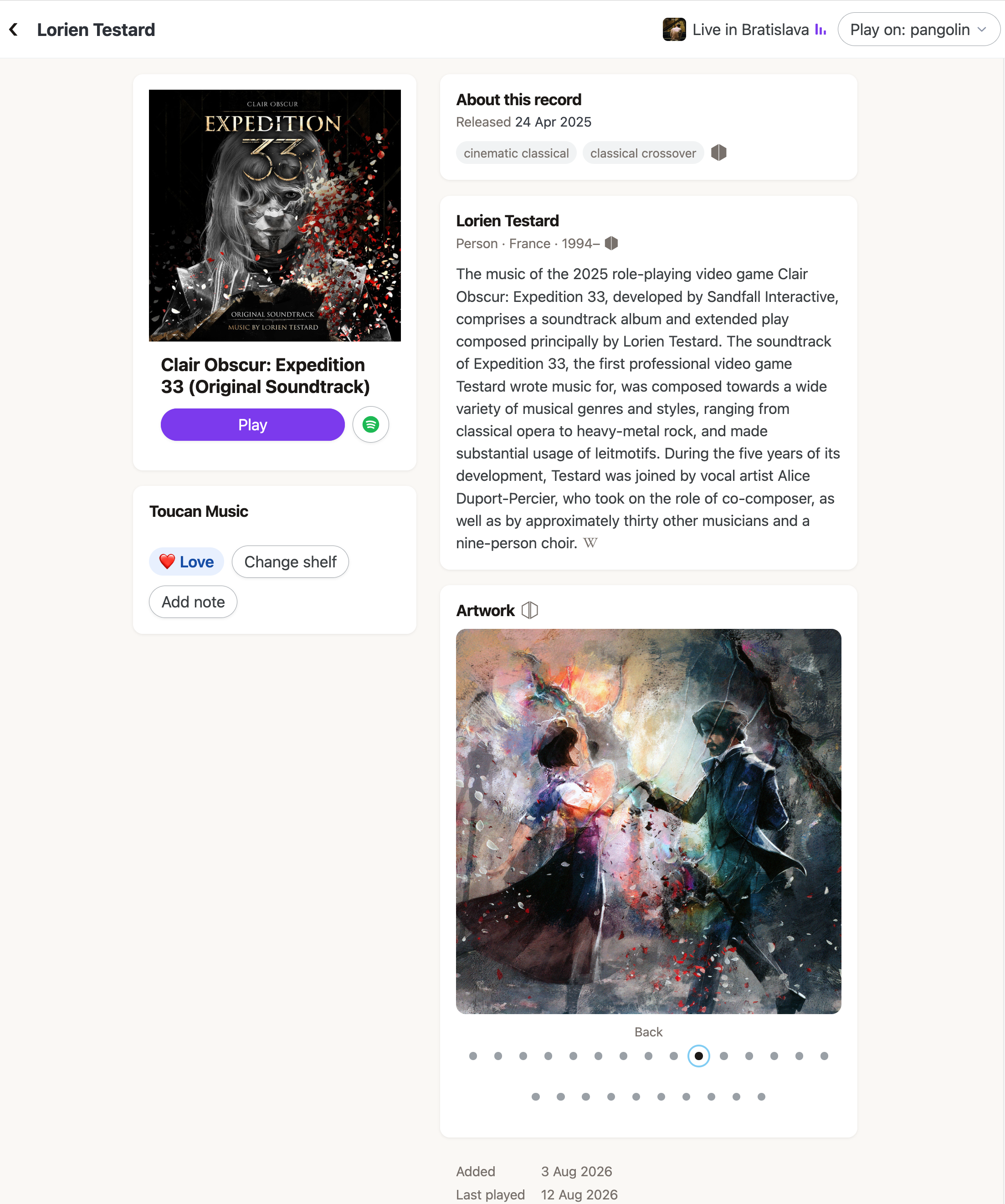
Vibe coding personal apps in mid-2026 - Francis Irving
There are a few mobile apps that I’ve wanted for a while, and that are relatively speaking just for me.

Let's Vibe - Meet, Build, Demo.
A meetup for low code, no code, vibe coders. Let's share our Cursor, Lovable, Replit, Windsurf, n8n, ChatGPT, Claude, etc. tips and tricks.
‘Vibecoded’ Apps Are Flooding the App Store. Is That Good for Apple?
Mobile apps are easy to make with artificial intelligence. That doesn’t mean people are excited to use them.

You can make an app for that
AI is empowering a generation of vibe coders to build exactly what they want. The personal software revolution is here.

Vibe-coded Go static analysis tools
Ideas are now a major bottleneck for vibe-coding. There are whole categories of software that simply don’t occur to me to write. Philip Zeyliger pointed me at one: Go static analysis tools. These are great candidates: easy to describe easy to test high value low risk He created a checker that requires slog.InfoContext instead of slog.Info when a context is available, to improve our telemetry/observability. I followed up with a checker that lets you annotate a Go struct as requiring complete, explicit annotation.
Vibe Maintainer
Some attendees at an AI Tinkerers meetup in early Feb were asking me what it’s like to be the maintainer of a big OSS project where the…
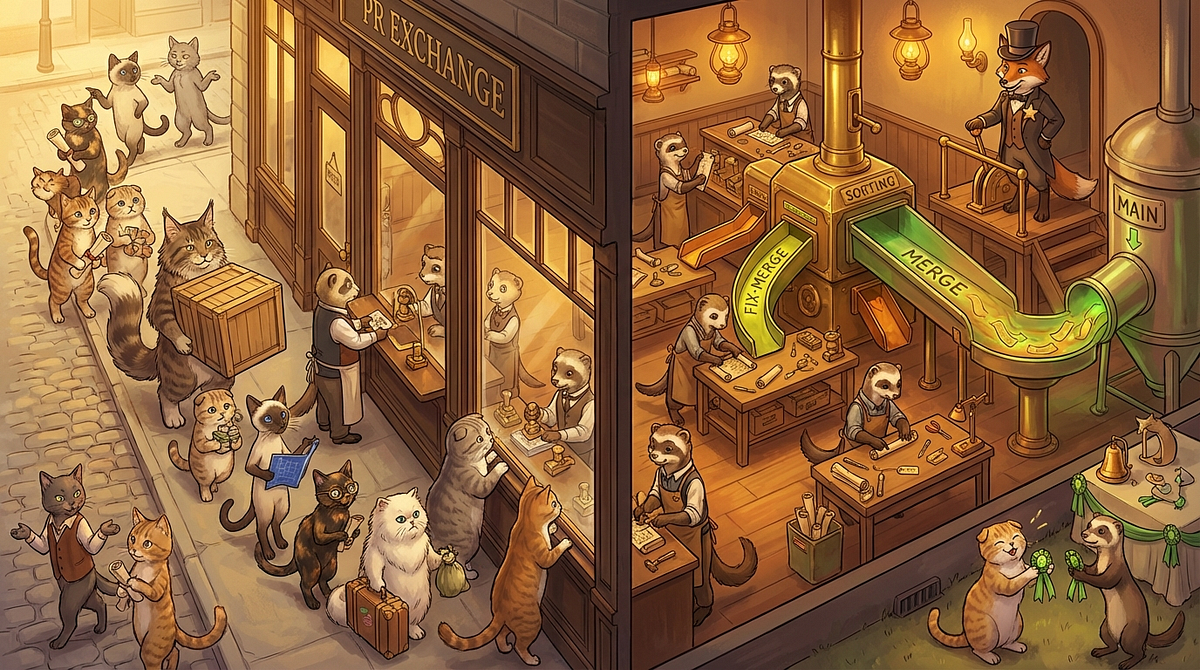
Vibe Maintainer
Some attendees at an AI Tinkerers meetup in early Feb were asking me what it’s like to be the maintainer of a big OSS project where the…
popmechanic/VibesOS
A GUI for Claude Code that makes it easy to vibe code simple, un-hackable apps
Contral — The IDE That Teaches While You Build
Vibecode at full speed and actually understand what you ship. Build Mode + Learn Mode (Java). Stop being a copy-paste developer.
Read this before you vibe-code another app
Your dream vibe-coded app might be a security nightmare.

Vibe Coding Kills Open Source
Generative AI is changing how software is produced and used. In vibe coding, an AI agent builds software by selecting and assembling open-source software (OSS), often without users directly reading documentation, reporting bugs, or otherwise engaging with maintainers. We study the equilibrium effects of vibe coding on the OSS ecosystem. We develop a model with endogenous entry and heterogeneous project quality in which OSS is a scalable input into producing more software. Users choose whether to use OSS directly or through vibe coding. Vibe coding raises productivity by lowering the cost of using and building on existing code, but it also weakens the user engagement through which many maintainers earn returns. When OSS is monetized only through direct user engagement, greater adoption of vibe coding lowers entry and sharing, reduces the availability and quality of OSS, and reduces welfare despite higher productivity. Sustaining OSS at its current scale under widespread vibe coding requires major changes in how maintainers are paid.

fantastic article “two kinds of vibe coding” the part on testing is particularly insightful davidbau.com/archives/2025/12/16/vibe_codi…
