The problem with software is that it's too powerful. It creates so much wealth so fast that it's virtually impossible to not distribute it.
Code Is Cheap Now. Software Isn’t.
The barrier to entry for building software has collapsed. The barrier to building something that matters hasn’t moved an inch.
Software Bonkers
I’m software bonkers: I can’t stop thinking about software. And I can’t stop building software.
The Tyranny of the Marginal User
why consumer software gets worse, not better, over time

Seeing Like a Programmer (LambdaConf 2024) — Sympolymathesy, by Chris Krycho
How do we make good software, and indeed, what makes software good: both as software, and in terms of its place in the world?

Ted Nelson on Pernicious Computer Traditions
Software Needs To Be More Expensive
Software, like coffee, is too artificially cheap, and we need to make it more expensive. I have one suggestion for how to do that.

Perfect Software - Software for an Audience of One
We have many names to describe personal tools. Malleable software speaks to how it behaves. Home-cooked software speaks to who makes it.
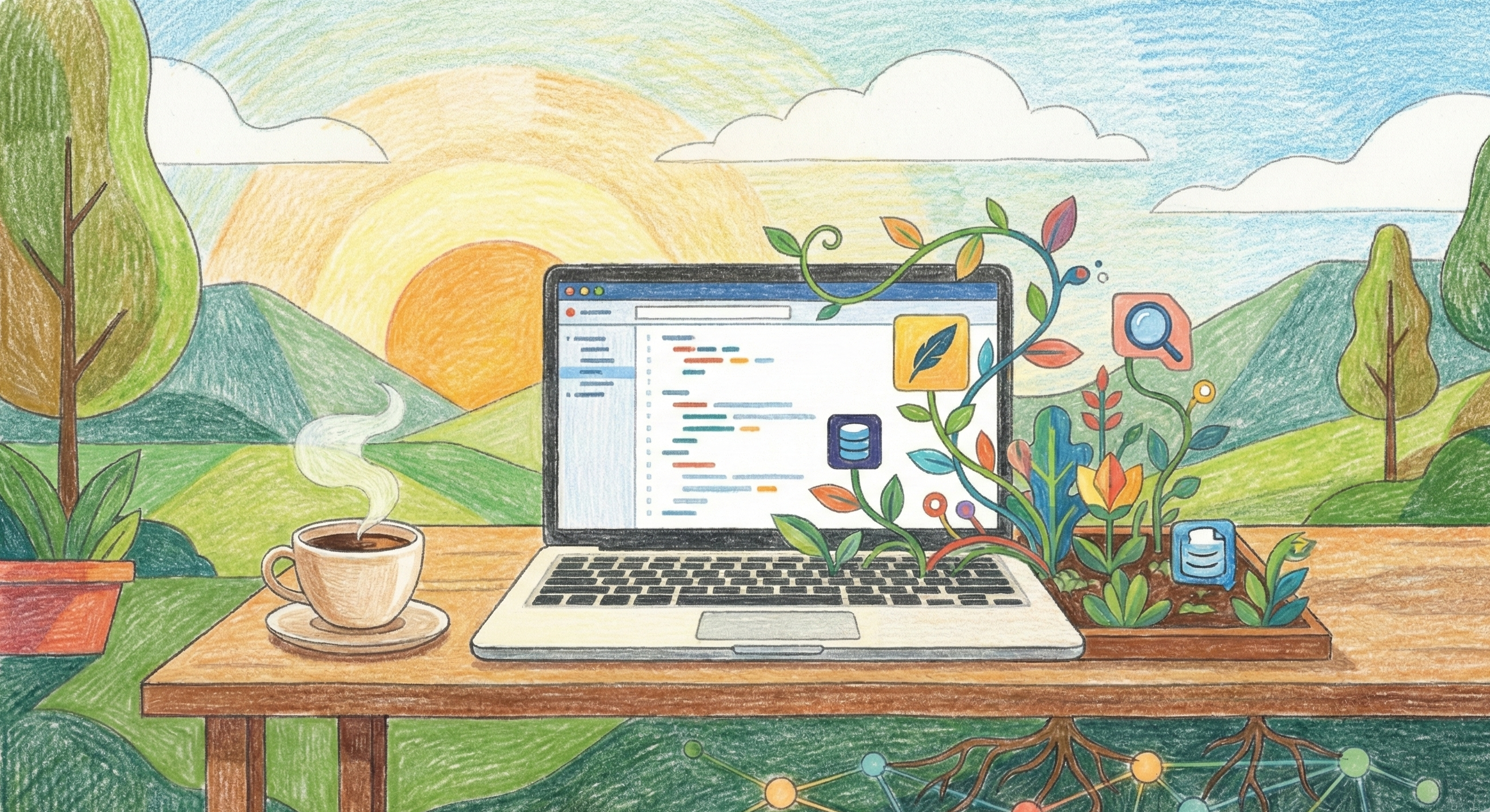
What is Malleable Software Now | Bryan Min (02-27-2026)
History of free and open-source software
The history of free and open-source software begins at the advent of computer software in the early half of the 20th century. In the 1950s and 1960s, computer operating software and compilers were delivered as a part of hardware purchases without separate fees. At the time, source code—the human-readable form of software—was generally distributed with the software, providing the ability to fix bugs or add new functions. Universities were early adopters of computing technology. Many of the modifications developed by universities were openly shared, in keeping with the academic principles of sharing knowledge, and organizations sprung up to facilitate sharing.

Liberatory Computing
We live under a capitalist mode of computing. The tools, languages, techniques, and assumptions of digital systems are structured by economic forces that shape not just what we can do, but what we can imagine doing. By separating production from use, producing inflexible software, and slicing up computing into siloed apps, your agency is held back by a tech industry that profits from a population rendered computationally passive.
Liberatory Computing
We live under a capitalist mode of computing. The tools, languages, techniques, and assumptions of digital systems are structured by economic forces that shape not just what we can do, but what we can imagine doing. By separating production from use, producing inflexible software, and slicing up computing into siloed apps, your agency is held back by a tech industry that profits from a population rendered computationally passive.
THE PEOPLE DO NOT YEARN FOR AUTOMATION
Software brain is changing the world, but most people still aren’t buying.

THE PEOPLE DO NOT YEARN FOR AUTOMATION
Software brain is changing the world, but most people still aren’t buying.
Sustainable software manifesto
The systems we build are never neutral. They can magnify harm or support a just and sustainable society. How we build today shapes tomorrow’s possibilities.