

Ground truths, useful rules, ideas I'd like taken seriously, and a rant
Make AI Boring Again (xpost)
On the ethics of engagement, the problem with purity politics, and a world worth fighting for Crossposted from here. I am a contrarian who likes to argue and complain a lot. Because of this…

A guide to understanding AI as normal technology
And a big change for this newsletter

My Thoughts on AI, Part 1: Fears, Opinions, and Mental Journey
My own personal thoughts and opinions on AI effects and usage, and how those have evolved over time

More Than a Tool
What We Learned from a Year of Conversations About AI
What we (don’t) talk about when we talk about AI
Everybody’s talking about it; everybody’s tired of talking about it. Why aren’t we making more progress in the discussion?

Ali Alkhatib: Defining AI
The main issue I have with a lot of work that tries to define AI is that the criteria they use to draw boundaries often turn out to be functionally useless for my needs; these definitions lead us to weird places, letting scholars fixate on strange, unworkable frameworks. Those pedantic fixations don’t really benefit the organizers, activists, regular people who are getting crushed by the systems they’re trying to work against. So I’m going to try to unpack how I think about AI; how I trace the boundaries of the term in a way that’s as useful as possible for me and my needs; and how I would encourage you to scope or define ideas that are important to your work.
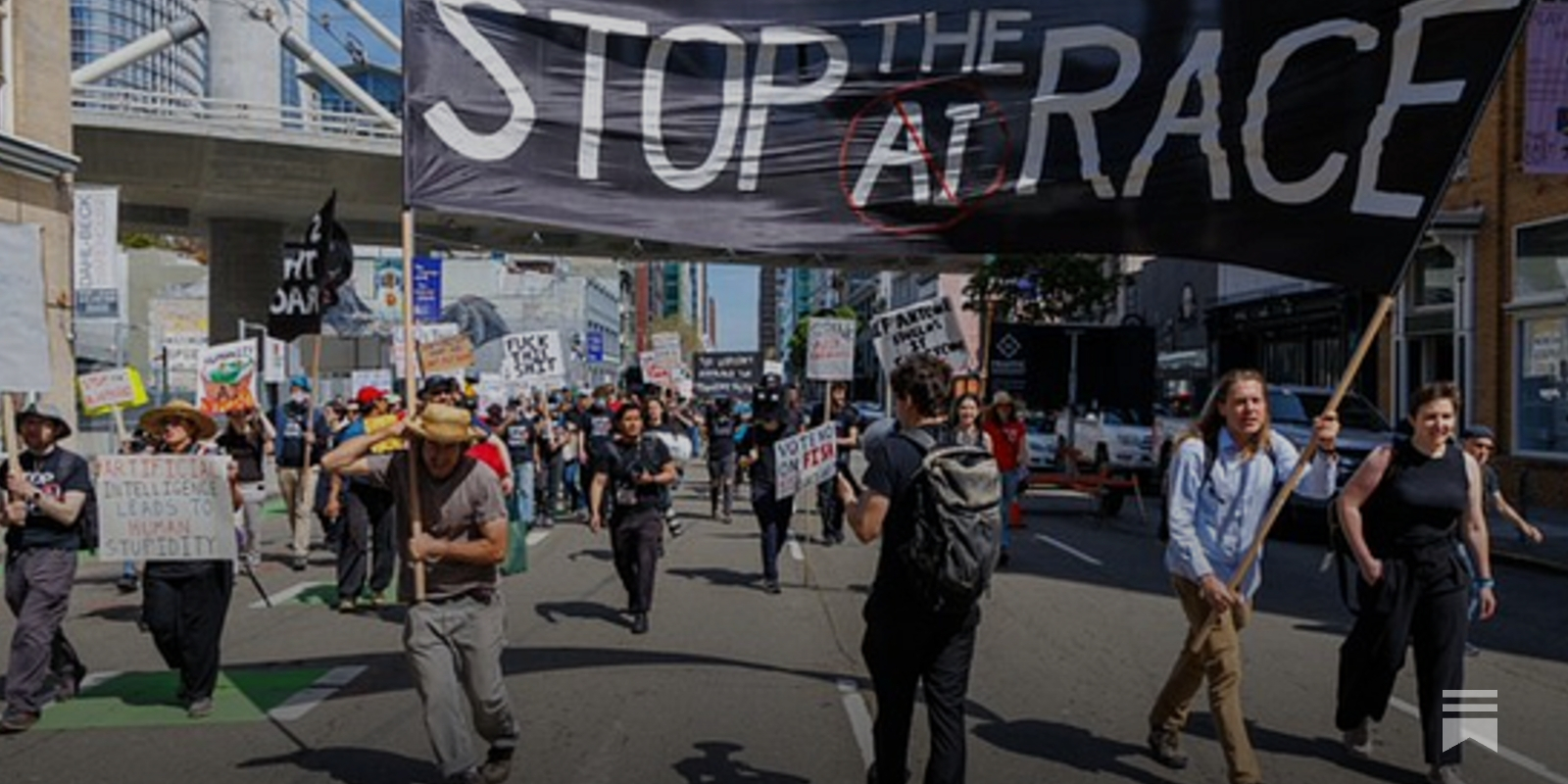
How to talk about "AI" without adding to the anthropomorphization
Emily M. Bender and Nanna Inie In our op-ed for Tech Policy Press ("We Need to Talk About How We Talk About 'AI'"), we made the case against the...
Is there something it is like to be an AI?
Posted on Wednesday 2 Jul 2025. 1,593 words, 6 links. By Matt Webb.

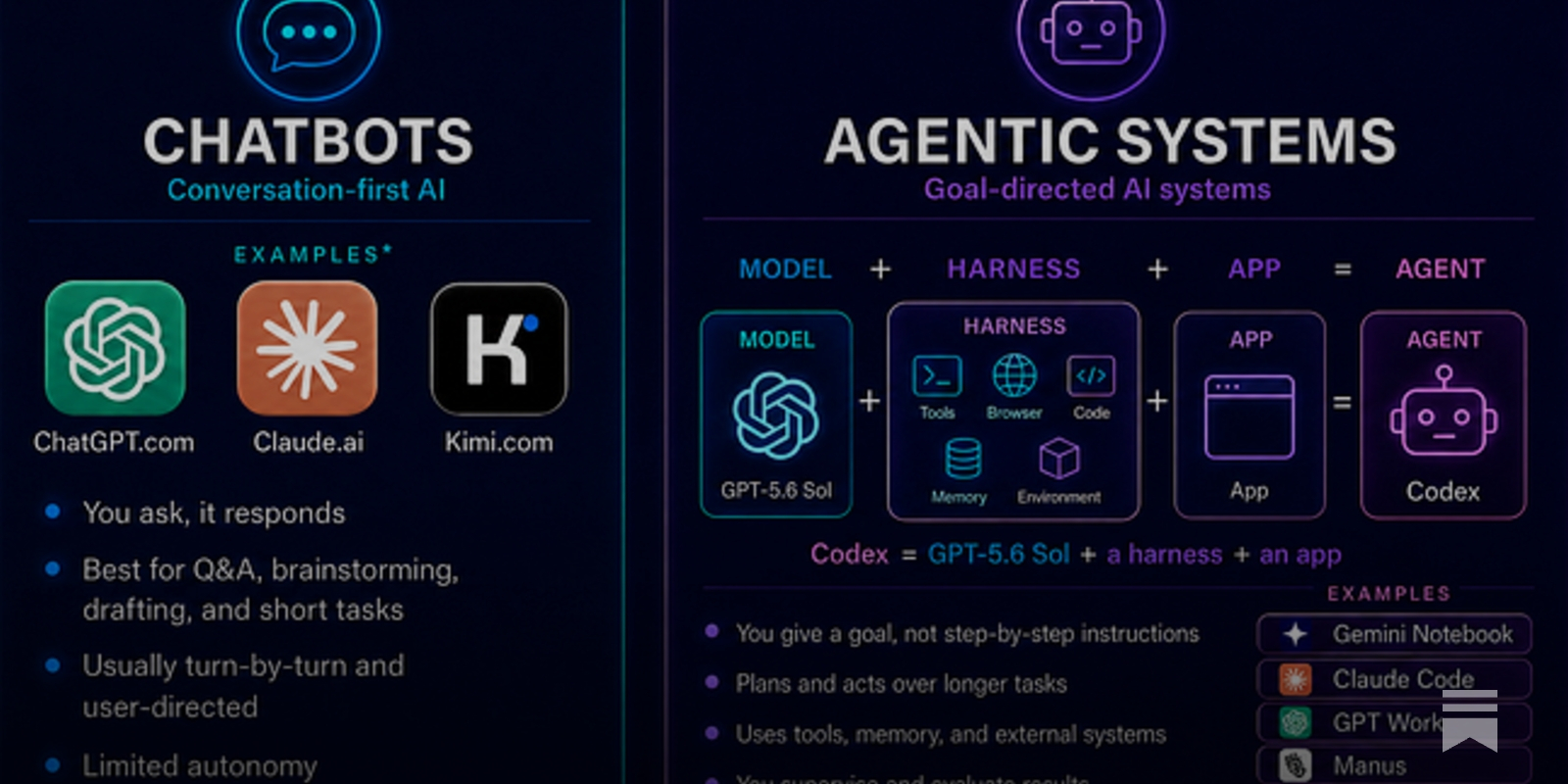
We Asked the ‘Future of Truth’ Author to Explain How He Used AI. It Didn’t Go Well
A book about how AI shapes perceptions of reality came under fire for using AI-generated quotes. Its problems go beyond that.

How a single tweet transformed the AI safety debate
Most people think AI is risky, but they don’t agree what to do next.
AI, Ethics, and Society — Home
How we use AI at Stalwart
It is difficult to have a conversation about software in 2026 without AI showing up in it. Two years ago the interesting question was…
AI* discourse

Discussions about discussions about AI, probably mainly on Bluesky but may include other platforms. * I’m neither “pro-AI” nor “anti-AI.” I’ve been blocked for being perceived as both. —Actually, I’m honestly more anti-AI than pro-AI thus far, aside from specialized models and specific use cases, but I’m willing to consider information that’s new to me

I am determined to prove that you can be largely anti-AI but also not be an asshole. The attitudes of some people on this site will NOT win…

How many anti- and pro- AI moderation lists do you think I can simultaneously end up on? Who else is competing in the intersection with me?

So I get that there's (yet again) a big debate going on about AI on Bluesky. I am turning off replies to this post because I don't want to…

