

Designing media to reflect how people think and learn
Writing books isn't a good idea
Could the creator economy provide a better one?

What we think is a decline in literacy is a design problem | Aeon Essays
Your inability to focus isn’t a failing. It’s a design problem, and the answer isn’t getting rid of our screen time
I’m rewriting my book in HTML instead of Markdown. Here’s why. — josh.earth
When you think of a book you probably think of prose. A bunch of paragraphs with section headers and chapter names, and perhaps a few illustrations. In short, you are thinking of a paper book. When I first wrote the HTML Canvas Deep Dive I was thinking along those lines as well, but I also wanted interactivity. What’s the point of having an educational book on the web if we can’t push the envelope a bit.
Andrew Tate Doesn’t Get the Point of Books
The erosion of deep reading weakens our capacity to grasp complex ideas.
Post Artifact Books and Publishing
How does digital affect publishing spaces? How do we talk about these effects?
How a flawed idea is teaching millions of kids to be poor readers
For decades, schools have taught children the strategies of struggling readers, using a theory about reading that cognitive scientists have repeatedly debunked. And many teachers and parents don't know there's anything wrong with it.

Content Design, second edition - Paperback and eBook bundle
We work with organisations, big and small, to transform their content and help them succeed.

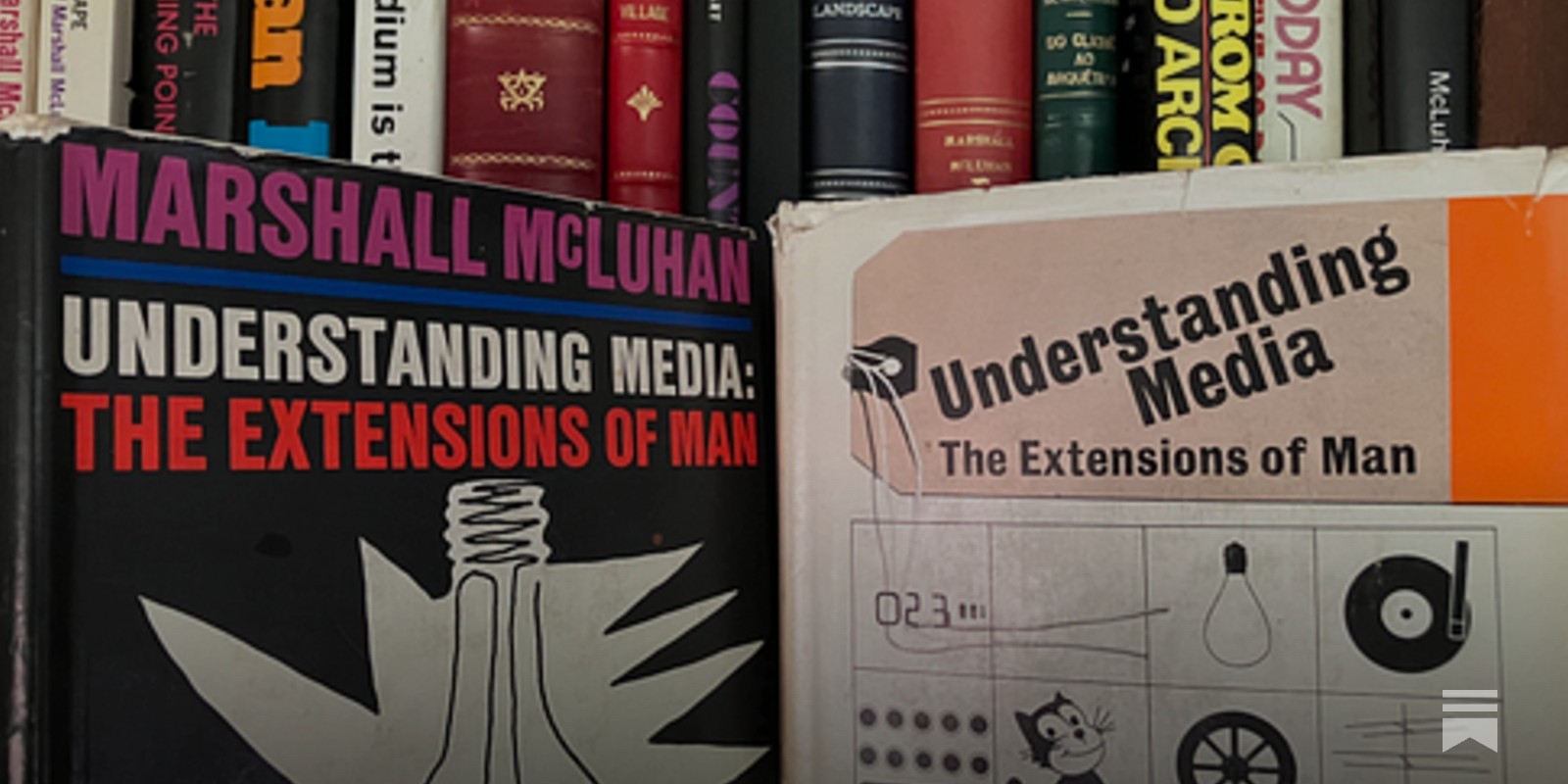
Reading, and Understanding Media
A guidebook, and poetry more than prose, Marshall McLuhan's 1964 work remains one of our best resources for exploring the nature and effects of new media. It's not an easy read, so I'm going to help.

Imagining your future projects is holding you back.
There is no book. There is only Idea Debt.

How to Read Fewer Books - The School of Life
We publish articles around emotional education: calm, fulfilment, perspective and self-awareness. | How to Read Fewer Books — Read now

I have forgotten how to read
For a long time Michael Harris convinced himself that a childhood spent immersed in old-fashioned books would insulate him from our new media climate, but he was wrong

The Left Case for Great Books | The Point Magazine
A great-books model at the undergraduate level is, in fact, so consonant with Freire’s radical critique that it represents a far better path forward for a left-wing vision of education than virtually anything else currently on offer in the United States.
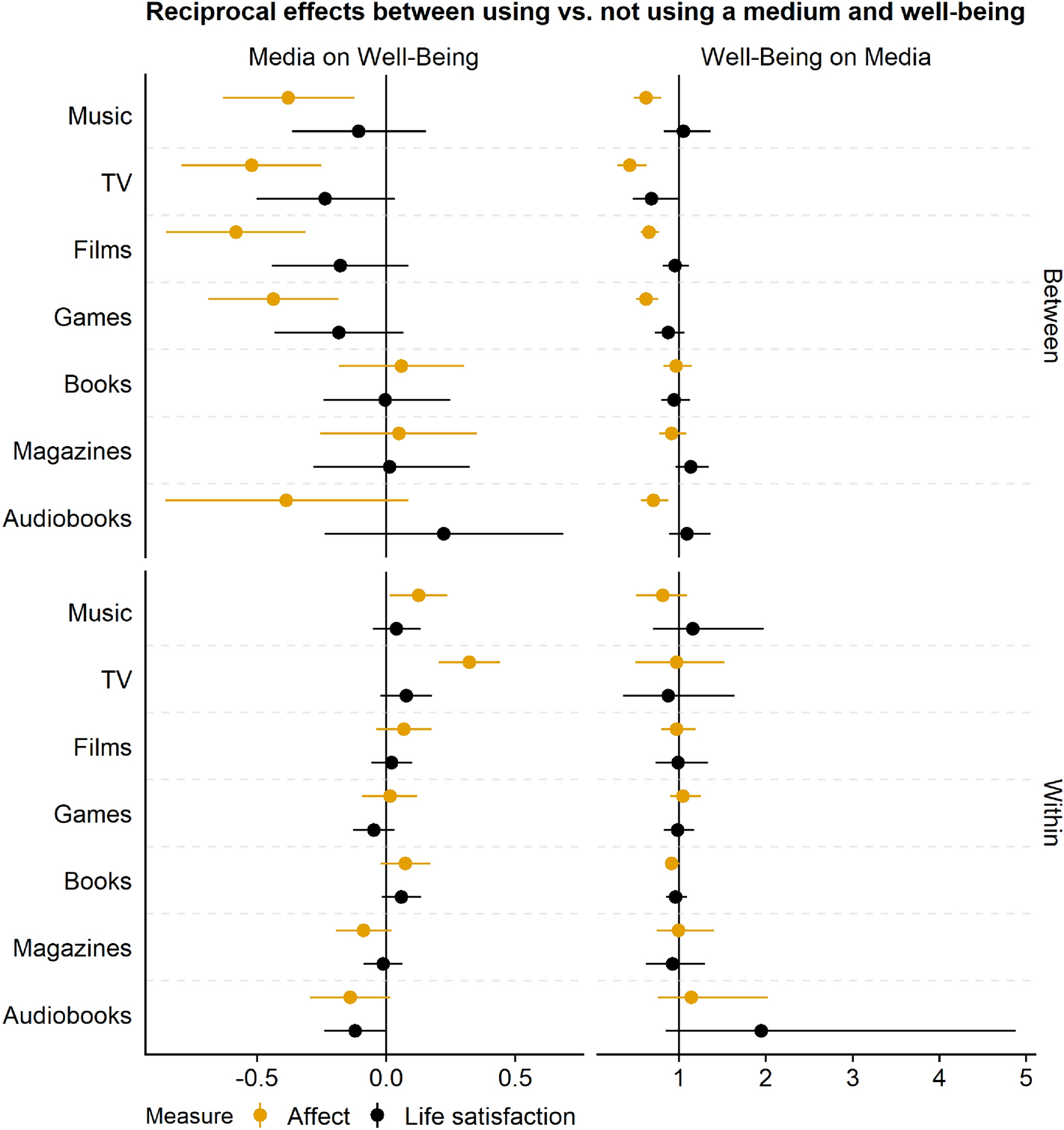
No effect of different types of media on well-being
It is often assumed that traditional forms of media such as books enhance well-being, whereas new media do not. However, we lack evidence for such claims and media research is mainly focused on how much time people spend with a medium, but not whether someone used a medium or not. We explored the effect of media use during one week on well-being at the end of the week, differentiating time spent with a medium and use versus nonuse, over a wide range of different media types: music, TV, films, video games, (e-)books, (digital) magazines, and audiobooks. Results from a six-week longitudinal study representative of the UK population 16 years and older (N = 2159) showed that effects were generally small; between-person relations but rarely within-person effects; mostly for use versus nonuse and not time spent with a medium; and on affective well-being, not life satisfaction.
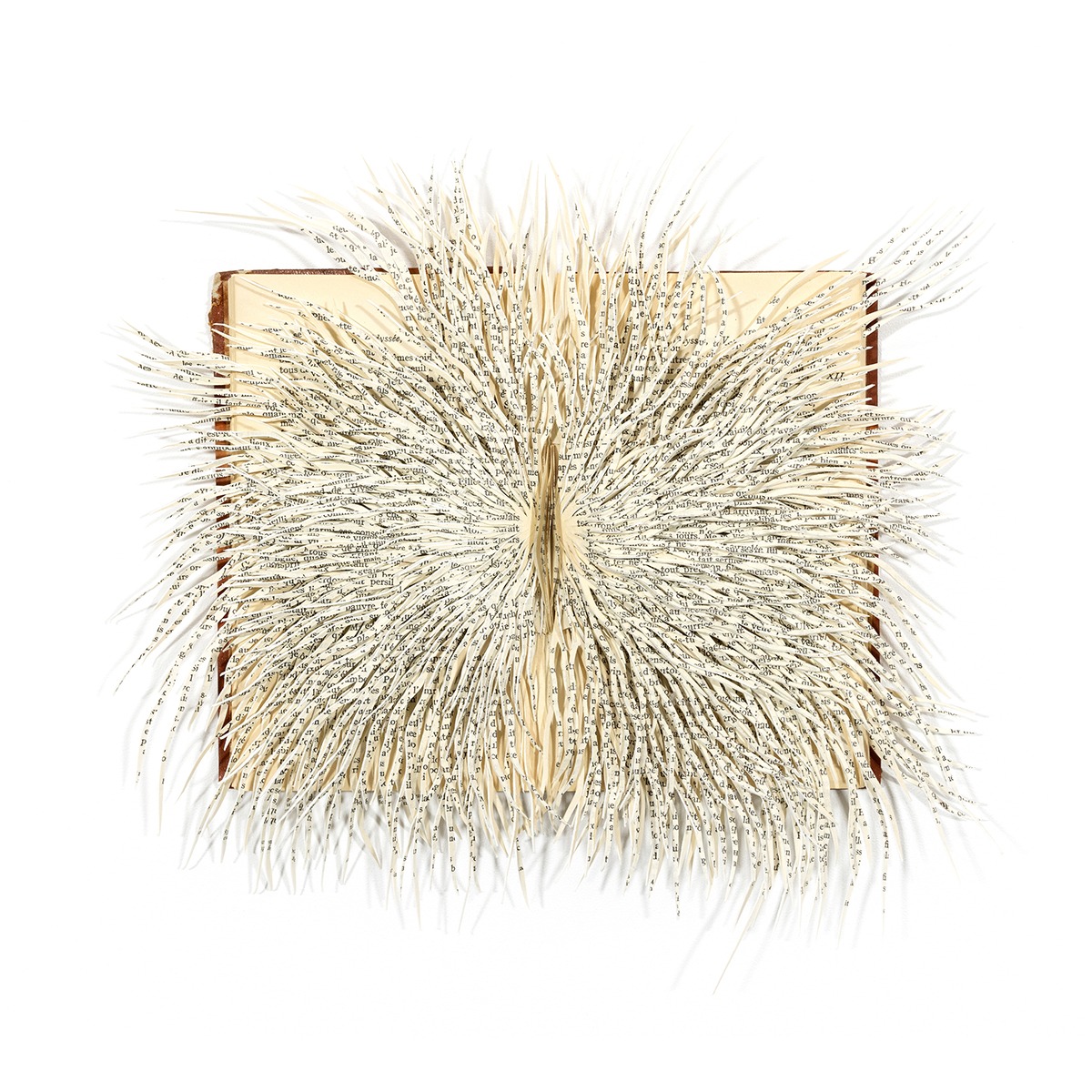
How to create reading experiences that "go beyond information transmission and toward reader transformation.” Great paper by @blue-phia.bsky.social @lepidopterane.bsky.social @yijunliu.bsky.social Sarah Sterman @sh1m.bsky.social @maxkreminski.bsky.social arxiv.org/abs/2606.04308 >
