In May 1976 a Satawalese master navigator named Mau Piailug stood on the deck of a double-hulled Polynesian canoe in Honolua Bay, Maui, and prepared to sail to Tahiti. Sans compass, chronometer, and chart. The canoe was Hōkūleʻa, a replica of the voyaging craft that had carried Polynesians across the Pacific a thousand years earlier. Over the next thirty-four days Piailug would navigate her about two thousand three hundred nautical miles south-southeast to Papeete using the rising and setting positions of stars, the shape of ocean swells refracted off islands beyond the horizon, the colour of the water at dusk, and the behaviour of terns returning to land at evening.
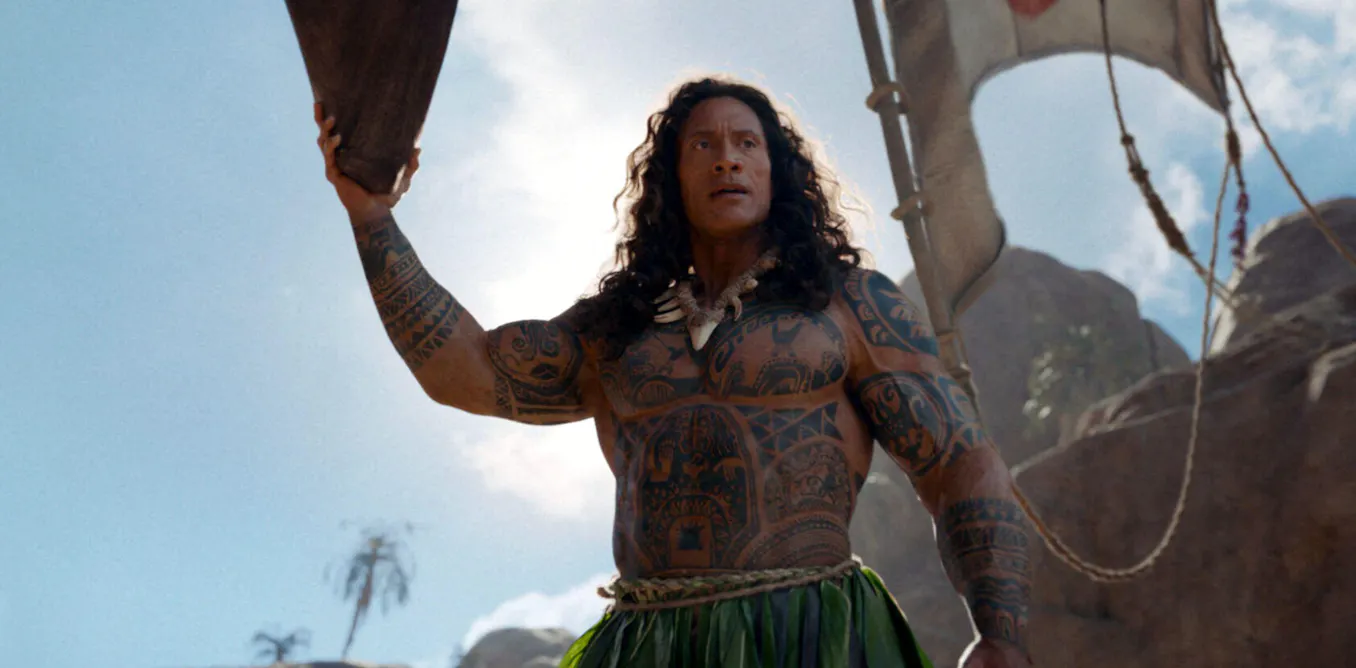
The real mystery behind Moana: after 1,700 years, why did Polynesians suddenly sail east?
New evidence suggests a massive centuries-long drought may be part of the answer.
Ahupuaʻa — an island from mountain to sea
A Hawaiian high island divided mauka to makai into ahupuaʻa, with a guided tour of ancient Hawaiian life and a simulated island weather system.
1. září – Vrak Titaniku: Nejslavnější objev oceánu byl jen krycí historka
Jak to uslyšíte ve škole od učitele Rok 1985. Oceánograf Robert Ballard se po letech snahy konečně vydává hledat nejslavnější vrak světa. Titanic leží někde v severním Atlantiku od dubna 1912 a čeká na člověka, který bude mít dost techniky, peněz, trpělivosti a romantického vztahu k rezavým lodím. Ballardův tým

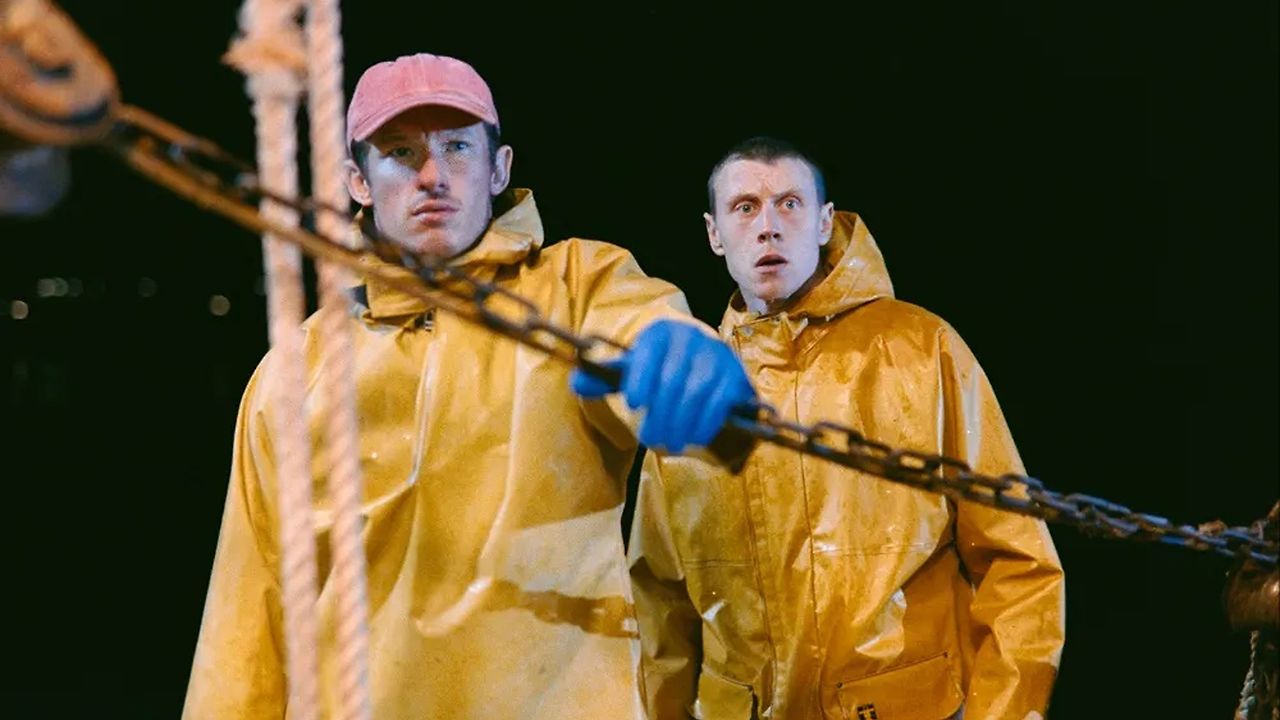
Sea Change: Rose of Nevada’s Mark Jenkin on ghost ships, time slippage and aural omens • Journal
As Rose of Nevada makes landfall, Mark Jenkin tells Isaac Feldberg about the uncanny sounds and sights of his ethereal Cornish-fishing time-travel odyssey.
Confronting Data Centers, Deep-Sea Cables, and Colonial Legacies in the South Pacific - Data & Society
Tropical paradise. Smiling faces. This is the fantasy Fiji has successfully sold to the world. And as I drive along the West Coast of Viti Levu, the archipelago’s largest island, the scenery does indeed resemble a tourist advertisement: crystal-blue ocean water, white sandy beaches, and lush tropical forests hugging the shoreline. But Fiji is more than breathtaking landscapes. While most people are aware of the rapid rise of data centers in the US and Europe, the creeping influence of tech giants like Google and Starklink can be seen and felt here, too.

Houthis seize 2 strategic Red Sea islands, and other Mideast developments
This move strengthens their control over a key maritime shipping route.

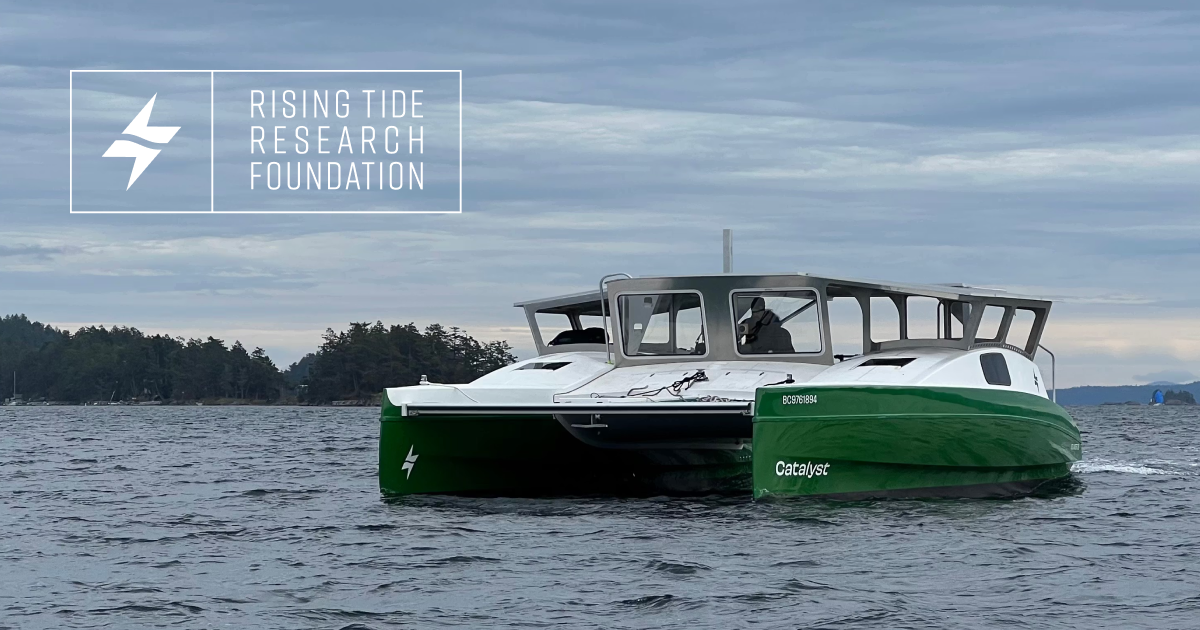
Solander 38 | Rising Tide Research Foundation
A self-sufficient, solar-electric, coastal cruising power catamaran.
Chronology and ecology of early islanders in the Philippines: The Mindoro Archaeology Project
The investigation and excavation of caves and rockshelters located at the southern end of Occidental Mindoro produced significant artefacts, data, and information related to the initial arrival and colonization of the Philippine archipelago by anatomically modern humans. The sites provided several indications for the increasing adaptation to maritime environments and delivered evidence for their behavioural and technological complexity. Mindoro lies along a direct route to reach the main islands of the Philippines coming from the Asian mainland via Borneo and Palawan. Since 2010, surveys conducted in the karstic regions of Ilin Island and Sta. Teresa, Magsaysay have mapped and explored over 40 caves and rockshelters. Particularly the sites of Bubog 1, Bubog 2, Cansubong 2 Cave, and Bilat Cave, have delivered cultural and biological materials that chronicle human habitation and adaptation to maritime and coastal environments over a period of 35–40,000 years. Early islanders in the region intensively foraged for molluscs and other marine invertebrates along the coast, employed different techniques to catch a variety of reef and pelagic fish as well as terrestrial animals, and were embedded in maritime networks with access to transfer routes, through which technology, information, and ideologies were disseminated over long distances and across Island Southeast Asia (ISEA) and possibly also reaching the Southeast Asian mainland. The results of the archaeological research in Mindoro contribute to our understanding of the processes of human island adaptation, complement ongoing research on the peopling of Southeast Asia, and enhance current knowledge of prehistoric subsistence strategies across the region.
We are Hundred Rabbits
Interactive Quiz - Canada Ocean Map
One Morning at Lake Tūtira · Jos Buurmans Photography
Landscape Photography in the Fog
The Oceanic provenance of Permacomputing and Computational poetics
Heritage Frontiers in Computational Art: The Oceanic provenance of Permacomputing and Computational poetics (2024) Nancy Mauro-Flude Keywords heritage algorithms, Oceana, codework, future heritage, technē, digital decolonisation, sandboxing, in-formal cultural economies, philosophy of technology, critical media theory. Citation: Mauro-Flude, N. (2024). Heritage Frontiers in Computational Art: The Oceanic Provenance of Permacomputing and Computational Poetics. Originally presented at ISEA, the updated version is available at Autoluminescence Institute. Initially presented June 26, 2024 at [ISEA2024](https://expertevents.
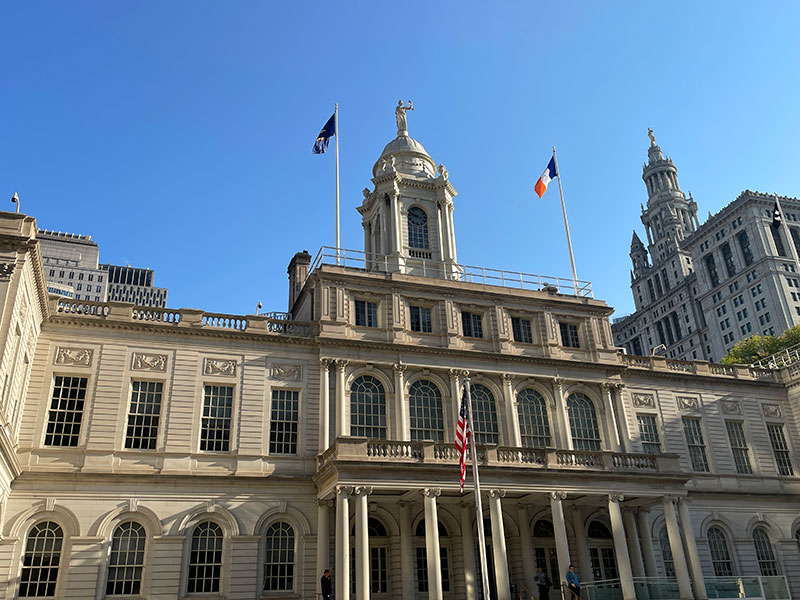
Remarks as Prepared: Mayor Mamdani Delivers Address Marking America’s 250th Birthday
Mayor Zohran Kwame Mamdani: Good morning, my fellow Americans. Season after season, year after year, the tides have come in and out of New York Harbor. Long before the name “New York” had ever been spoken, Lenape dugouts crossed these currents. It was on these waters that tall masts crested the horizon, captained by explorers like Verrazzano and Hudson after whom we’ve named our bridges and rivers. And ever since, ships full of travelers weary from long journeys have passed through the Narrows, the winds of the Atlantic at their backs.