

Do you feel it?
The Cognitive Debt of Digging Through Preprints
Your Brain on MIT Media Lab

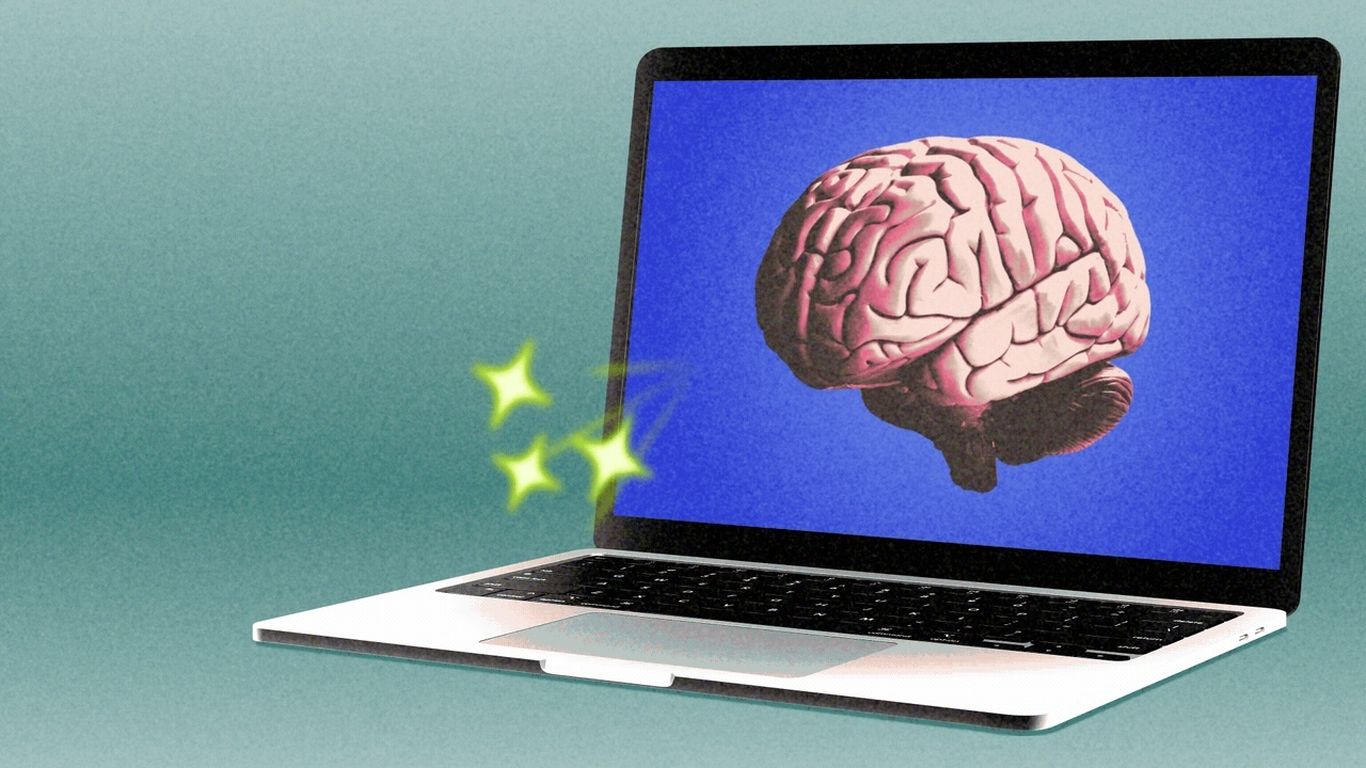
AI overuse could spark "brain fry," new research finds
The mental strain associated with AI carries "significant costs," researchers find.
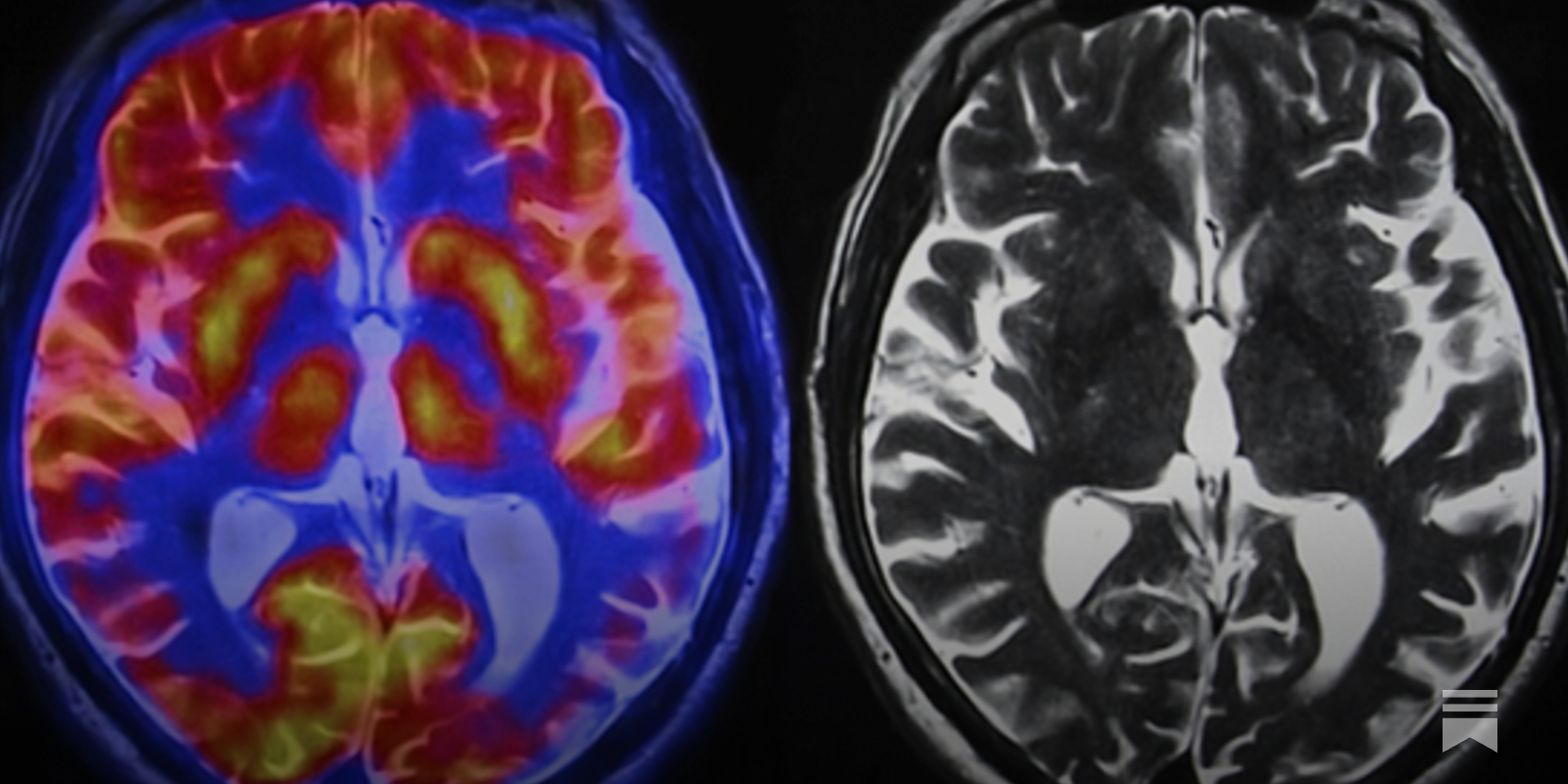
What stress does to the brain - Neuroscience News
A new study sheds light on how the brain changes as a result of chronic stress. Selective noradrenaline release rewires connectivity patterns between different brain regions. Activity in the amygdala and networks that process sensory stimuli increased.

Depression doesn't shrink the brain like we thought it did | New Scientist
For the past decade, depression has been linked to a shrunken hippocampus, which has a vital role in memory. But a large study using up-to-date scanning techniques suggests this may not be the case

This Is Your Brain on Podcasts (Published 2016)
Different people’s brains absorb a compelling story in the roughly the same complicated pattern, using many parts of the brain, researchers found.

Amy Deng on Twitter / X
I’m an AI researcher turned brain tumor patient, and recently I used the models to crack my mystery fatigue faster than my PCP could. I believe everyone can do the same with their own symptoms. Here’s how: pic.twitter.com/0jhbPvEi7V— Amy Deng (@amydeng_) June 16, 2026

What the Studies Say About How AI Affects Your Brain: A (Very Big) Compilation
The entire literature clearly points to a single surprising finding
AI Use at Work Is Causing “Brain Fry,” Researchers Find, Especially Among High Performers
The increased speed and multitasking that AI allows at work is leading to many workers experiencing "brain fry," a new study found.
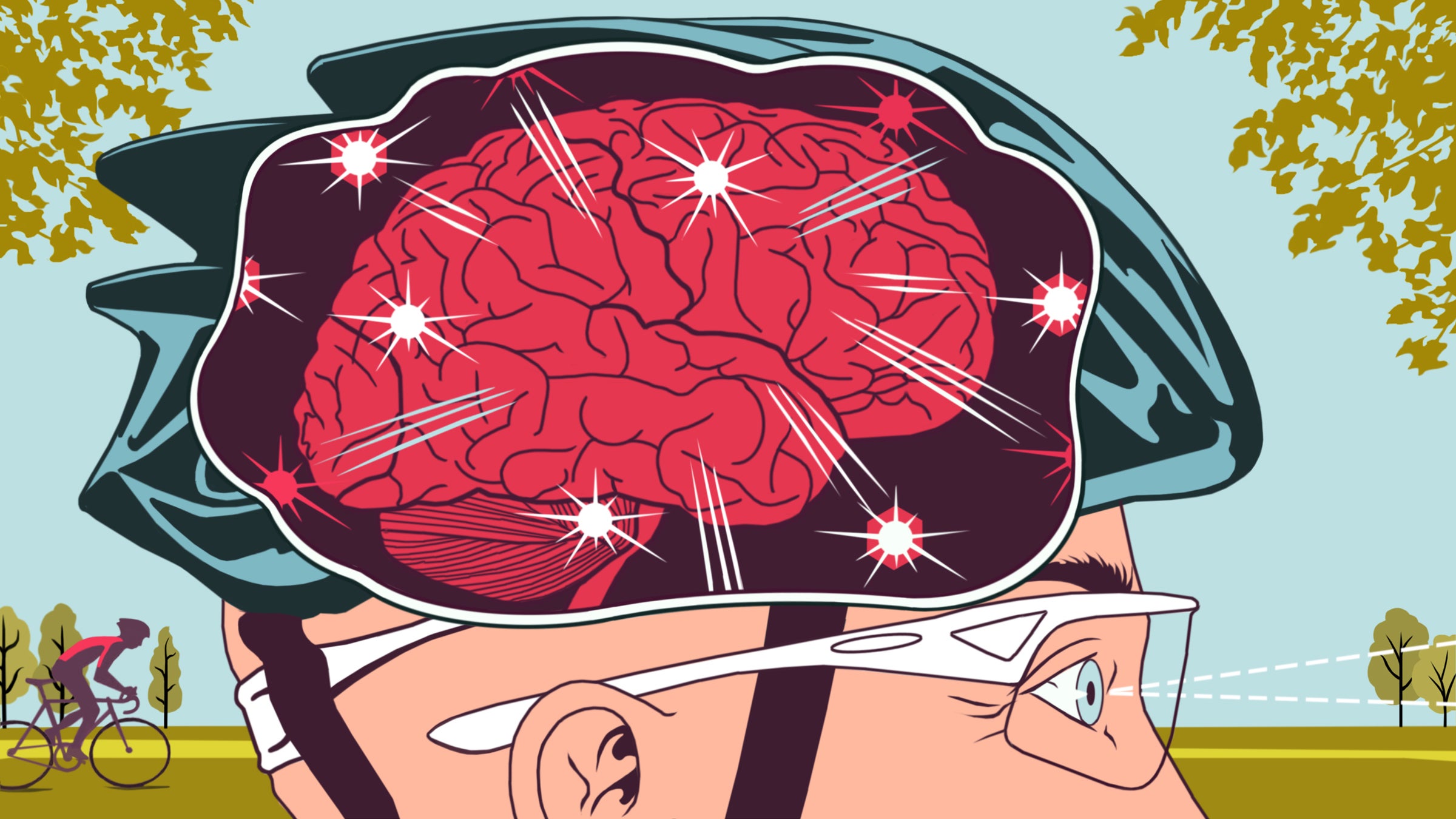
This Is Your Brain on Exercise
Exercise is as good for your brain as it is for your body, and researchers are just beginning to discover why
Neuralink and the Brain's Magical Future — Wait But Why
I knew the future would be shocking but this is a whole other level.

Open-source software reveals complete 3D architecture of brain cells
The neurons in our brain that underlie thought connect to each other using tiny branch-like structures on their surfaces known as dendritic spines. Now scientists at Columbia's Zuckerman Institute and ...

Dissociation as Neurological Injury
A hypothesis connecting childhood surgical anesthesia, NMDA-system injury, and long-term dissociative symptoms
The Second Brain That Grows Smarter and Lives on your Computer
How a spark from Andrej Karpathy, app called Obsidian, and “The Curator”, the app I built are changing the way I think.
Do not give up your brain
It's tempting to just let tools think for you, but you still need to be able to think for yourself and stay sharp.

📣📣📣 Preprint Alert! 📣📣📣 Do predictive processes shape brain representations during learning? We investigated the effect of Predictive Coding by training identical recurrent networks with different optimization procedures and then comparing them to human EEG under the same visual learning task.

