

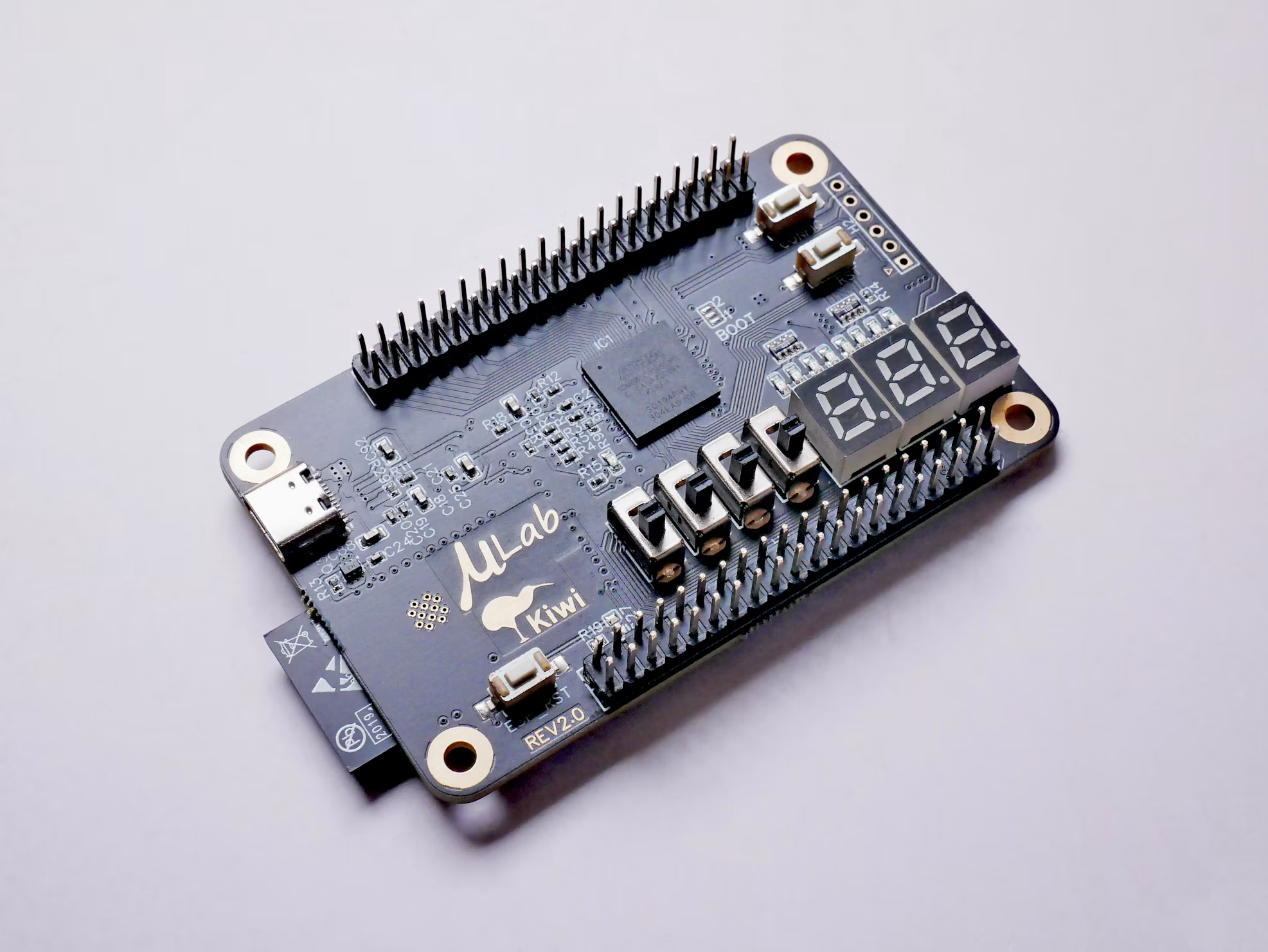
how coding agents wrote 3M lines of code to implement and optimize LLM inference on an FPGA
vllm-project/vllm
A high-throughput and memory-efficient inference and serving engine for LLMs
Open-Source Agentic Inference Benchmark | InferenceX
Compare AgentX, InferenceX's long-context, multi-turn coding scenario, with fixed-sequence AI inference across chips and frameworks. Public NVIDIA and AMD runs update when configurations change.
Dria on Twitter / X
Introducing Inference Arena v2.0.An agentic experience that searches, analyzes, and delivers insights about LLM inference.When we first launched, our goal was simple: make it easier for developers to compare models, engines, and hardware without digging through scattered… pic.twitter.com/fgWgos48lW— Dria (@driaforall) September 30, 2025

Designing agentic loops
Coding agents like Anthropic’s Claude Code and OpenAI’s Codex CLI represent a genuine step change in how useful LLMs can be for producing working code. These agents can now directly …
Inference Time Memory Module | Research | Tiles
Simple inference-time memory module that treats memory management as a series of LLM calls and agent loops over a markdown-based file tree.
Build agents, not pipelines
There are only two ways to use LLMs in a computer program: as part of a pipeline, or as an agent. In other words, either you express the control flow of the program in code, or you give a LLM tools and allow it to manage the control flow itself1.

Vibe engineering
I feel like vibe coding is pretty well established now as covering the fast, loose and irresponsible way of building software with AI—entirely prompt-driven, and with no attention paid to …
When Science Goes Agentic
In a couple of years, we will inspect AI-generated source code about as often as we inspect the assembly output of a compiler. Which is to say, far less often—outside of high-stakes and adversarial settings. The trajectory is clear: vibe coding is not a fad but a transition, a stepping stone. Debugging AI-generated code will shrink dramatically for a lot of everyday software—not because the code will be flawless, but because the feedback loops between generation, testing, and correction will tighten until human inspection becomes the bottleneck rather than the safeguard. In this respect, requiring the co-generation, with code, of mechanically verifiable formal attestations can also improve the process.

Vibecoding a high performance system
There's been a thousand posts about vibe coding. Some case studies from Indragie Karunaratne, Edward Yang, and Cloudflare stuck out to me. These are all projects where it's something the creator is already an expert in, or a read-only app where bugs are low-impact, or a well-known standard with a small design space.
OpenAI and Broadcom unveil LLM-optimized inference chip
OpenAI and Broadcom introduce Jalapeño, a custom AI chip built for LLM inference to improve performance, efficiency, and scale across AI systems.
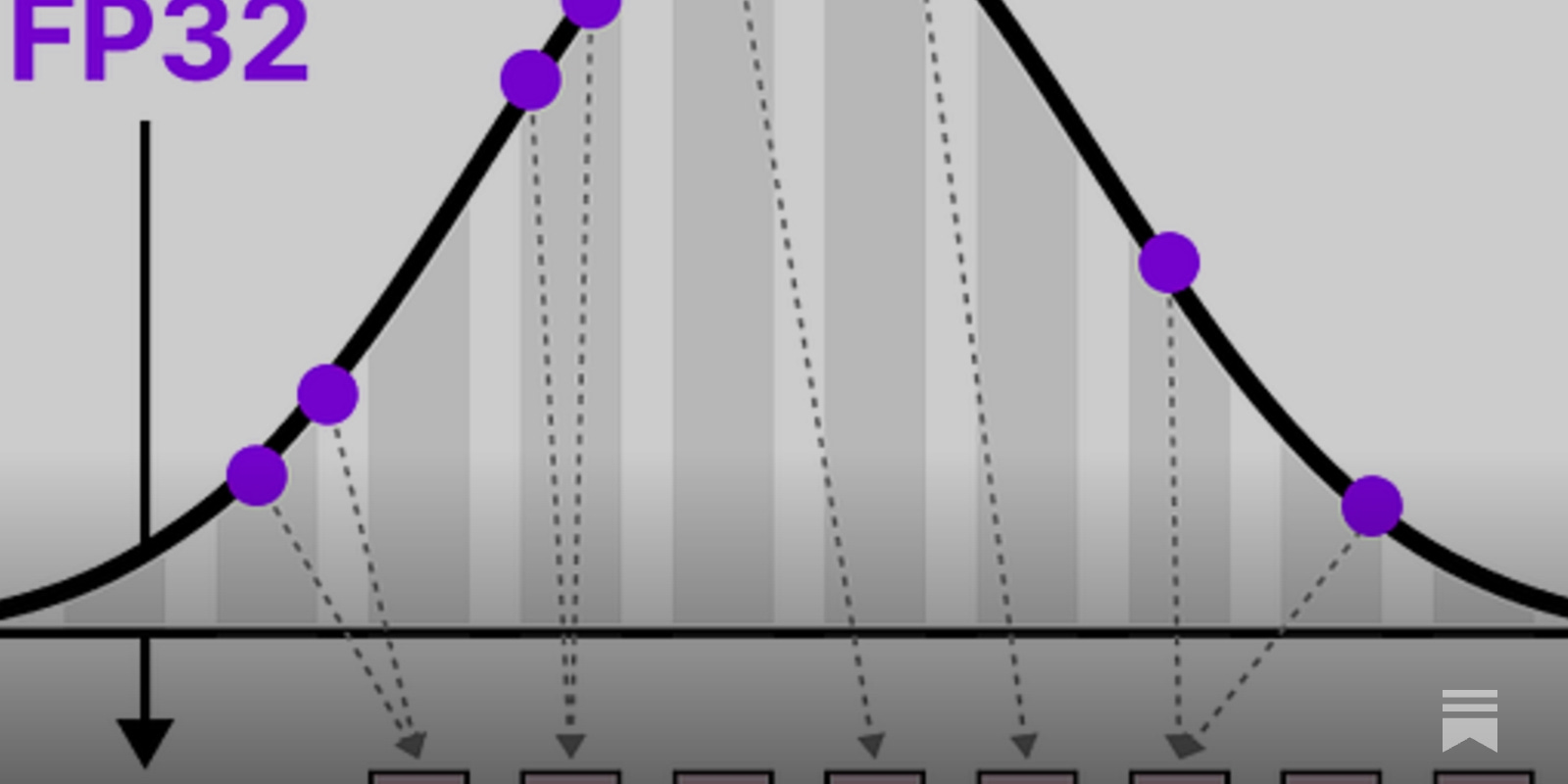
A Visual Guide to Quantization
Exploring memory-efficient techniques for LLMs
Honey, I Shrunk the Coding Agent
Coding Agent Adaptation Lets a 9B LLM Outperform 10x Larger Models on Aider Polyglot Benchmark
Overview - GroqDocs
Fast LLM inference, OpenAI-compatible. Simple to integrate, easy to scale. Start building in minutes.

The New SDLC With Vibe Coding
Discover what actually works in AI. Join millions of builders, researchers, and labs evaluating agents, models, and frontier technology through crowdsourced benchmarks, competitions, and hackathons.

Introducing Beads: A coding agent memory system
I have been vibe coding like a madman for forty days and forty nights. It’s a long story, so I’ll summarize in these three pictures.

Vibe Coding

AI assisted programming resources
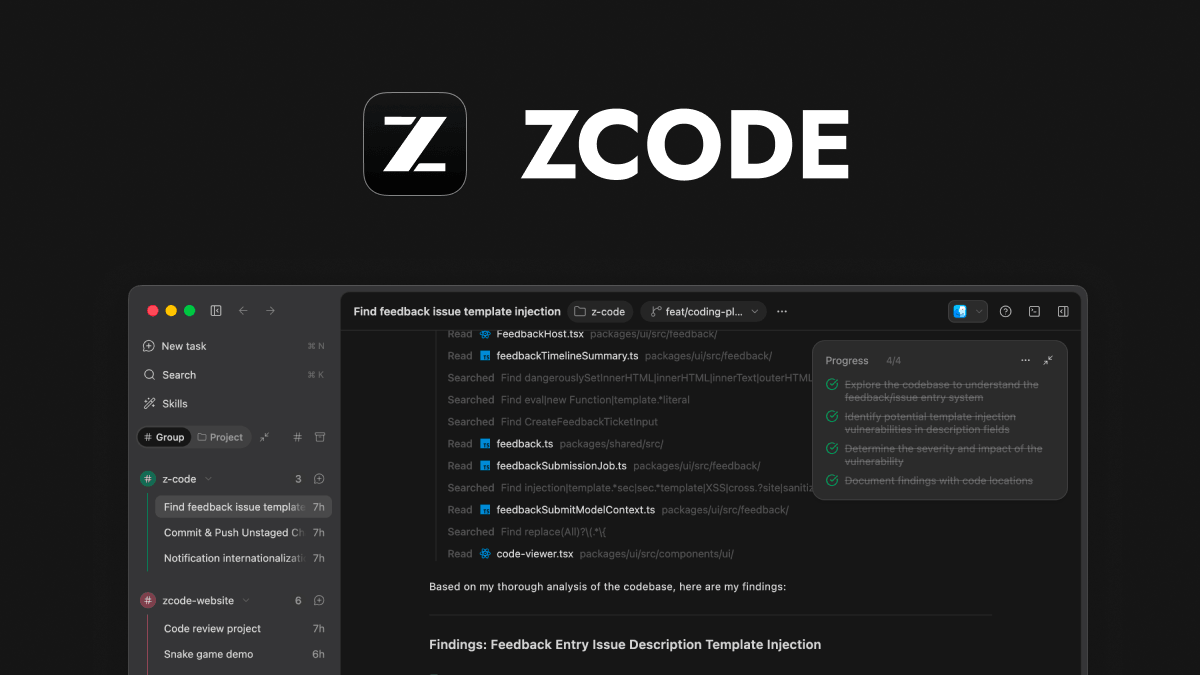
ZCode | Z.ai's Official Agent Harness for GLM-5.4
TeamoRouter
dmmulroy/anti-slop
Introducing Radial: Agent orchestration on the Atmosphere
ARCHITECTURE.md
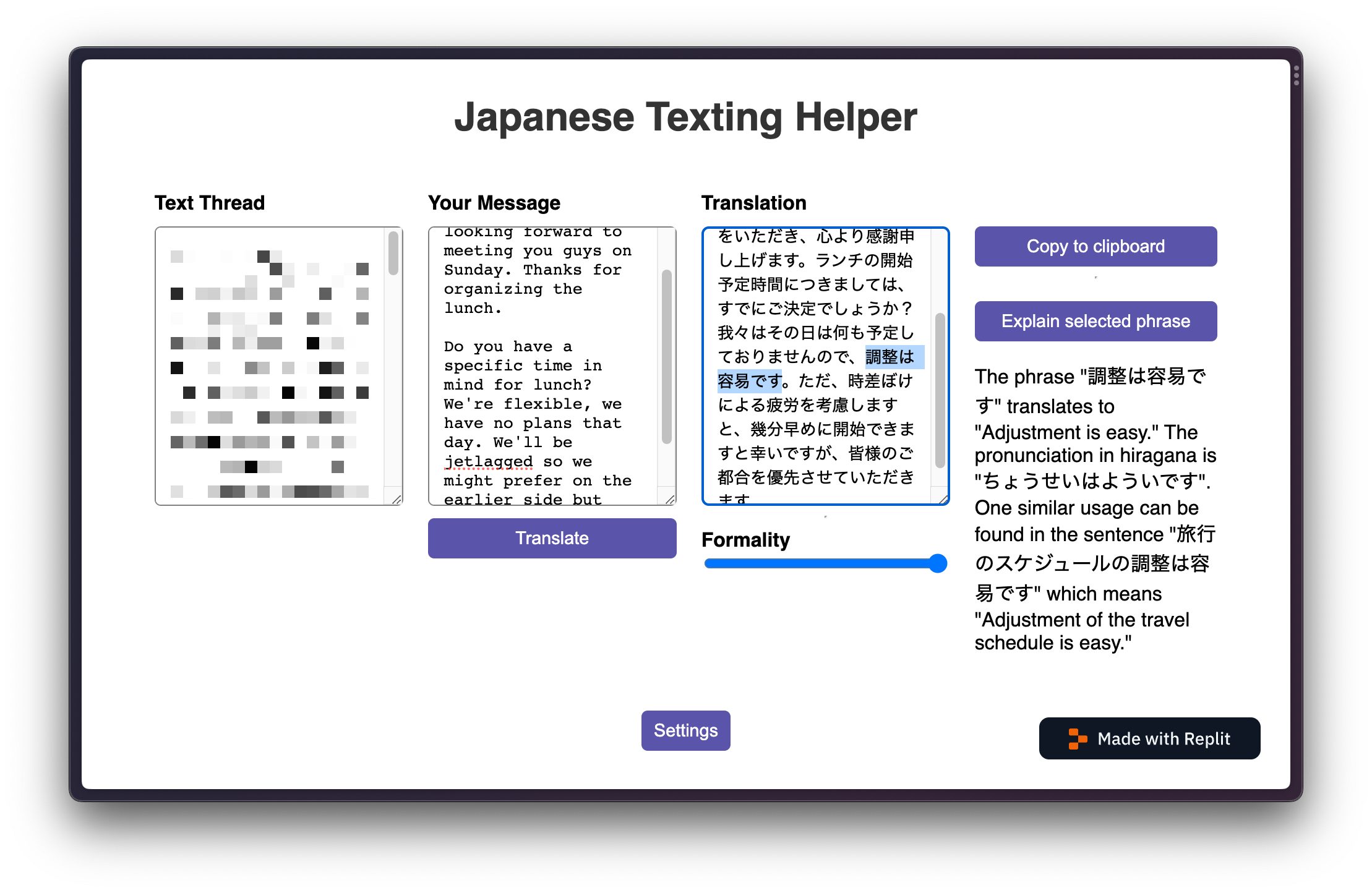
Codifying a ChatGPT workflow into a malleable GUI