

Many of us became software engineers because we found our identity in building things. Not managing things. Not overseeing things. Building things. With our own hands, our own minds, our own code. But …
Human identity: the number one challenge in computer science
If the modern ‘problem of identity’ was how to construct an identity and keep it solid and stable, the postmodern ‘problem of identity’ is primarily how to avoid fixation and keep the options open. (Bauman 2011)
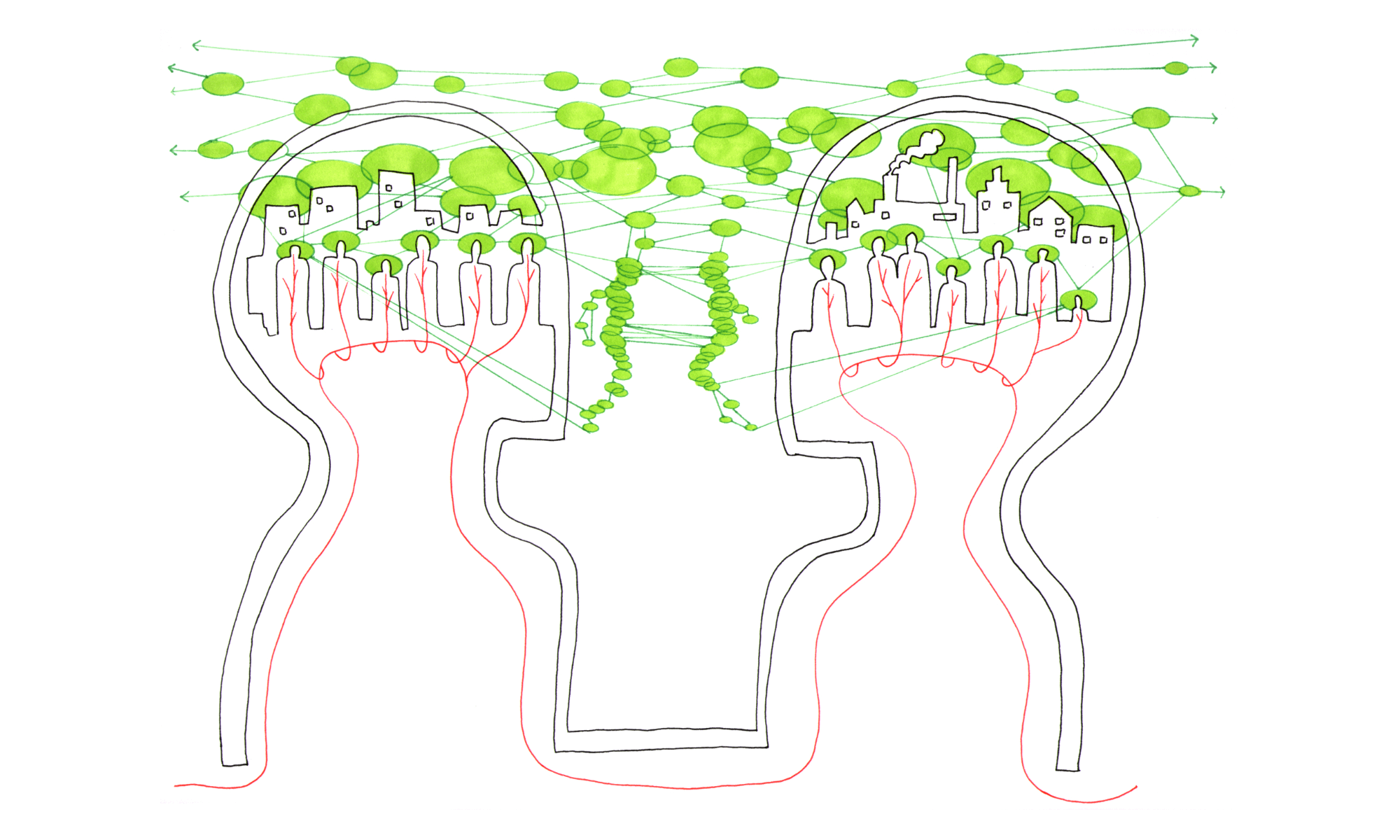
The Programmer Identity Crisis ❈ Simon Højberg ❈ Principal Frontend Engineer
On AI, Creativity, and Craft

Escaping the No-Code Platform by Building a Software Factory
I’m not someone who gets called when things are going well. So when Michelle – the Twill CEO – called me in December, it was because she needed some help with engineering. In 18 m…

SF: A Birds of a Feather on Agentic Engineering
I'm Jesse. I make stuff. Software, hardware. Very occasionally, trouble.

The Bulk of Software Engineering is Just Plumbing
I read a post online recently about how some software engineer was asked to complete a technically complex, jargon-filled coding challenge over the...

A programmer's loss of identity - ratfactor
This is the follow-up to last year’s I’m an American software developer and the "broligarchs" don’t speak for me. In that essay, I tried to express why I was so agonized by the leaders in my industry doing a speedrun towards dystopia and how it all felt so divorced from what technology could, and should be. Everything I wrote there is still true, but amplified.
Bailey Townsend | Software Developer
Bandaid Engineer and open source software developer.

Being a female Developer
My name is Sanni Oluwatoyin Yetunde and I am a software developer at Andela. My journey into the programming world was inspired by a deep…

Design Engineering with Maggie Appleton
The care and feeding of software engineers (or, why engineers are grumpy) - Human Who Codes
The Official Web Site of Nicholas C. Zakas

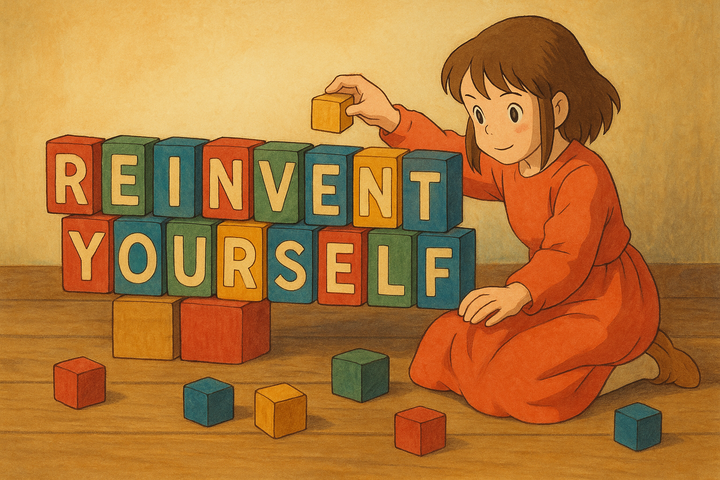
Developers, Reinvented – Thomas Dohmke
What started as fear of AI replacing developers is switching to pragmatically embracing the ambitious reality of AI and viewing it as a growth opportunity. As we build the tools of tomorrow, we can usher developers through this reinvention of their role in ways that are intuitive, delightful, and cater to developers’ curiosity, keeping them fulfilled and happy during the transition. That makes us optimistic. Realistically.
Programmer as wizard, programmer as engineer
Context matters. Sometimes we need to get things done, sometimes we need to build things to last.

We are all Product Engineers now | Seldo.com
Agents are eating the software development lifecycle from the bottom up — code generation already gone, review and ops following fast. What remains is figuring out what people actually want, which can't be automated or scaled. That job is called product engineering, it pays $240k, and nobody's training for it.
Human-Centered Artificial Intelligence: Three Fresh Ideas
Human-Centered AI (HCAI) is a promising direction for designing AI systems that support human self-efficacy, promote creativity, clarify responsibility, and facilitate social participation. These human aspirations also encourage consideration of privacy, security, environmental protection, social justice, and human rights. This commentary reverses the current emphasis on algorithms and AI methods, by putting humans at the center of systems design thinking, in effect, a second Copernican Revolution. It offers three ideas: (1) a two-dimensional HCAI framework, which shows how it is possible to have both high levels of human control AND high levels of automation, (2) a shift from emulating humans to empowering people with a plea to shift language, imagery, and metaphors away from portrayals of intelligent autonomous teammates towards descriptions of powerful tool-like appliances and tele-operated devices, and (3) a three-level governance structure that describes how software engineering teams can develop more reliable systems, how managers can emphasize a safety culture across an organization, and how industry-wide certification can promote trustworthy HCAI systems. These ideas will be challenged by some, refined by others, extended to accommodate new technologies, and validated with quantitative and qualitative research. They offer a reframe -- a chance to restart design discussions for products and services -- which could bring greater benefits to individuals, families, communities, businesses, and society.