

annostor empowers you to seamlessly annotate documents, videos, and images with well-known and trusted standards and technologies.
Optimizing web search using social annotations
This paper is concerned with the problem of browsing social annotations. Today, a lot of services (e.g., Del.icio.us, Filckr) have been provided for helping users to manage and share their favorite URLs and photos based on social annotations. Due to the ...

The Consensus Trap: Dissecting Subjectivity and the “Ground Truth” Illusion in Data Annotation
As part of the Digital Library's transition to Open Access, new features for researchers are available in the Premium Edition. Click here to learn more.

Seed Hypermedia
Publish documents, connect ideas, discuss them in context, and preserve verifiable authorship and collective memory over time.

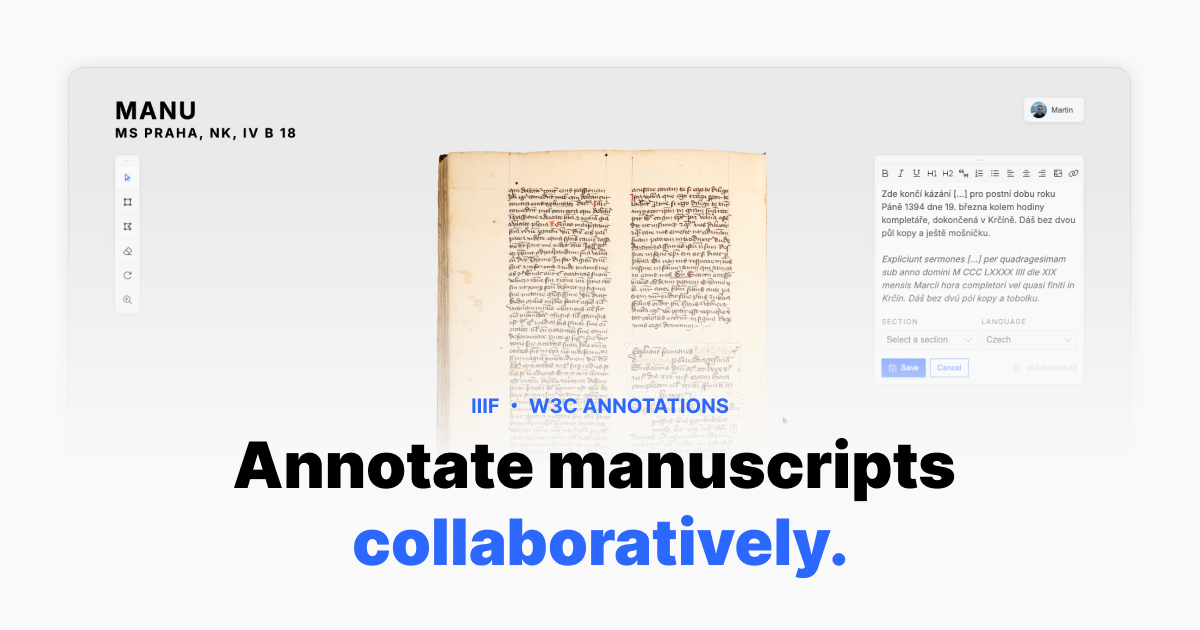
Manu ・ Manuscript Annotation & Visualisation
A collaborative platform for annotating, transcribing, and visualising historical manuscripts. Built on IIIF and W3C Web Annotations.
Jared Goering on Twitter / X
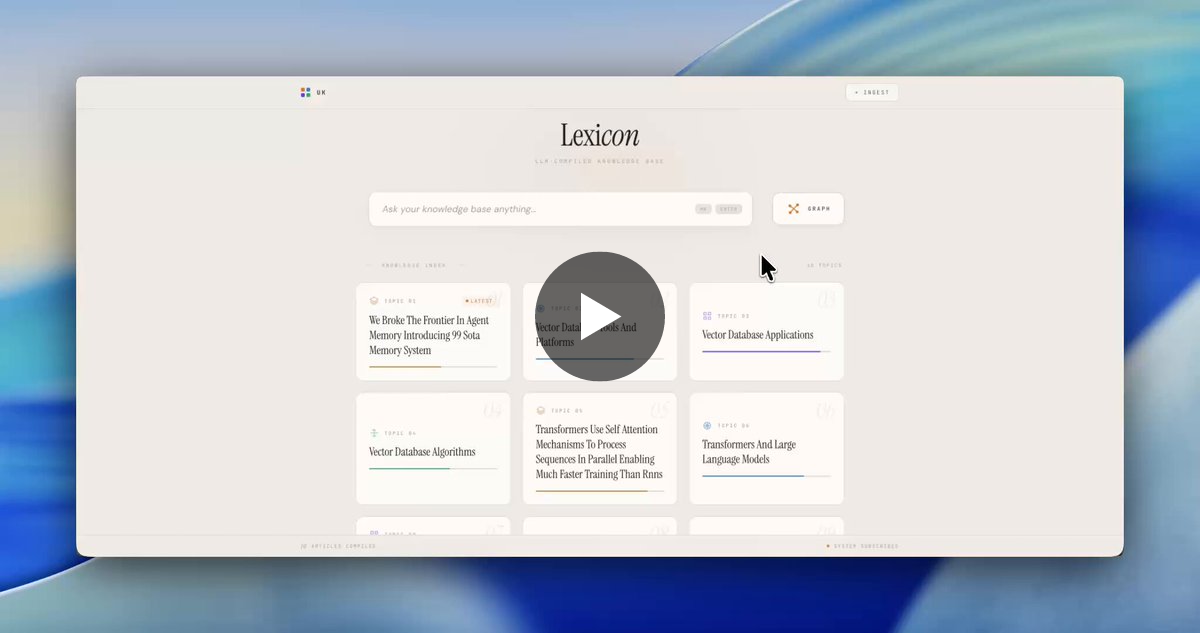
Saw this and immediately built it. Open-sourced the whole thing:Ingest URLs, PDFs, tweets, images → LLM compiles a linked markdown wiki → Q&A with citations, knowledge graph, contradiction linting, auto-research, export to HTML/PDF/slides.Been using it nonstop as a personal… https://t.co/ypaXlEA7pn pic.twitter.com/8Z2DLAyQjH— Jared Goering (@jaredgoering) April 4, 2026
Becoming a better atproto citizen
The blog's standard.site records now carry cover images, a publication icon and theme, and the strongRefs Bluesky uses for enhanced link cards.
ArchiveBox - Open-source self-hosted web archiving
Preserve websites, media, bookmarks, feeds, source code, evidence, and research material in durable files you control.
The Ghost Stays in the Picture, Part 1: Archives, Datasets, and Infrastructures - Flickr Foundation
Eryk Salvaggio is a 2024 Flickr Foundation Research Fellow, diving into the relationships between images, their archives, and datasets through a creative research lens. This three-part series focuses on the ways archives such as Flickr can shape the outputs of generative AI in ways akin to a haunting.

NLnet; Nanoarguments
Scientific knowledge is currently scattered across papers, repositories, and disconnected platforms, with no structured way to trace how claims connect to evidence or how arguments develop. Nanoarguments builds a framework and tools for creating, browsing, and contributing to a global, federated graph of scientific discourse and evidence. Researchers and their communities can collaboratively structure claims, evidence chains, and discussion as nanopublications, which are small, cryptographically signed Linked Data snippets with precise provenance and authorship, published to a decentralized peer-to-peer network. The project builds upon the Nanodash interface to help users browse, edit, and aggregate discourse and evidence graphs, and integrates with dokieli to enable in-context authoring of nanopublications as inline annotations while reading or writing a document. A bidirectional ActivityPub connector bridges the nanopublication network and the fediverse, allowing discourse threads to start as social exchanges and crystallize into persistent, machine-readable evidence records. The project will be piloted with early adopter research groups in discourse and evidence modeling. All components will be released as open-source modules that other systems can build upon.
The Age Verification Privacy Paradox: Why Document Uploads Hurt Everyone—and How World Solves It
Age verification is now required by many digital platforms worldwide, but most systems create new risks for user data and privacy. This article explores why document-based age verification exposes everyone to greater risk—and how privacy-first technology like World ID offers a safer path for consumers and platforms.

Introducing Ringspace: A Proposal for the Human Web
For months, I've been working on a project to demonstrate how we can preserve humanity on the web. It's finally ready for testing.

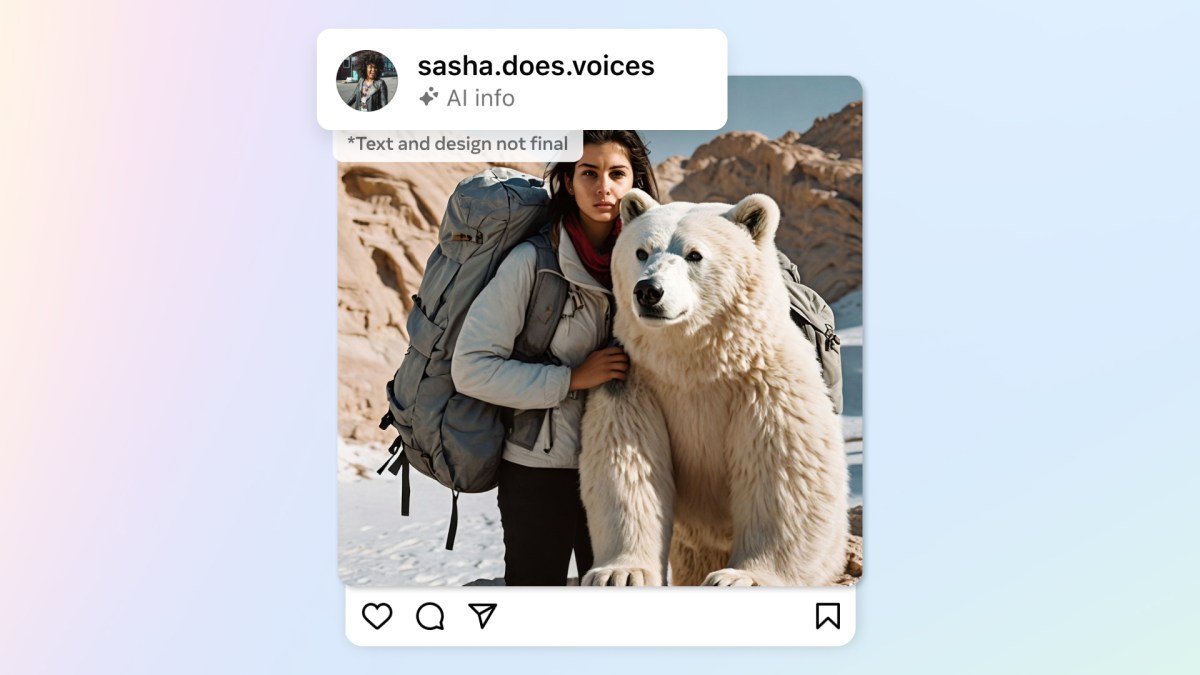
Labeling AI-Generated Images on Facebook, Instagram and Threads
Nick Clegg offers a new approach to identifying and labeling AI-generated content.
I really like @margin.at. I've been having my agents annotate articles for me before I read them, and part of me wants to spin up an "annotator" agent to provide useful context to readers. anthropic.com/news/statement-department-of-…
Community notes over papers is another example of a new kind of annotation that goes far beyond merely a "mention" and can be easily incorporated into protocol powered research ecosystems like #ATScience


