


Traduction française de « "Stan the Man": On Stanley Fischer and MIT » d'Olivier Blanchard
Rake’s Progress: A Look at the Well-Traveled Casanova (Published 2017)
As Laurence Bergreen documents in “Casanova,” the famous ladies’ man also rubbed elbows with a Who’s Who of 18th-century Europe.


The Breakdown of Capitalist Realism | Mediations | Journal of the Marxist Literary Group
Benjamin Noys examines the “substance” of Mark Fisher’s Capitalist Realism in order to argue that the text serves more than a diagnostic function in our…
Monsieur Piketty et les classiques
Traduction française du billet de blog "Mr. Piketty and the classics" de Branko Milanovic

Dear young men: The old stereotypes of what it is to be a 'man' are a load of rubbish
Whether you want it or not, you’ve inherited the responsibility of creating a new answer to the ancient question of what it means to be a man

The Rebel: An Essay on Man in Revolt | Philopedia
Overview of Albert Camus’s The Rebel, exploring metaphysical and historical rebellion, nihilism, revolution, and the limits of political violence.

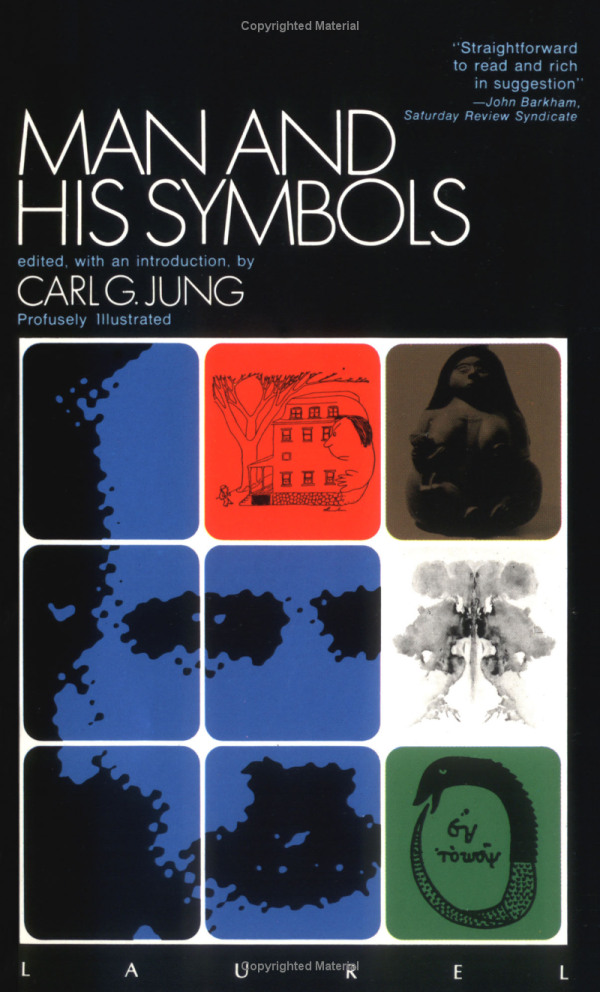
Le « mansplashing », ou pourquoi les hommes éclaboussent tout le monde à la piscine
Le comportement de l’« homme des bassins », qui multiplie les remous et s’étale dans les lignes d’eau, met en lumière les rapports de domination qui se jouent dans ce lieu de mixité qu’est la piscine publique.

annotations: « Maintenant, les choses sont différentes, il ne faut pas regarder vers le passé »
Traduction de "‘Now, things are different, we must not look to the past’. Lenin in 1917 and 1922, applied to the present" de Branko Milanovic
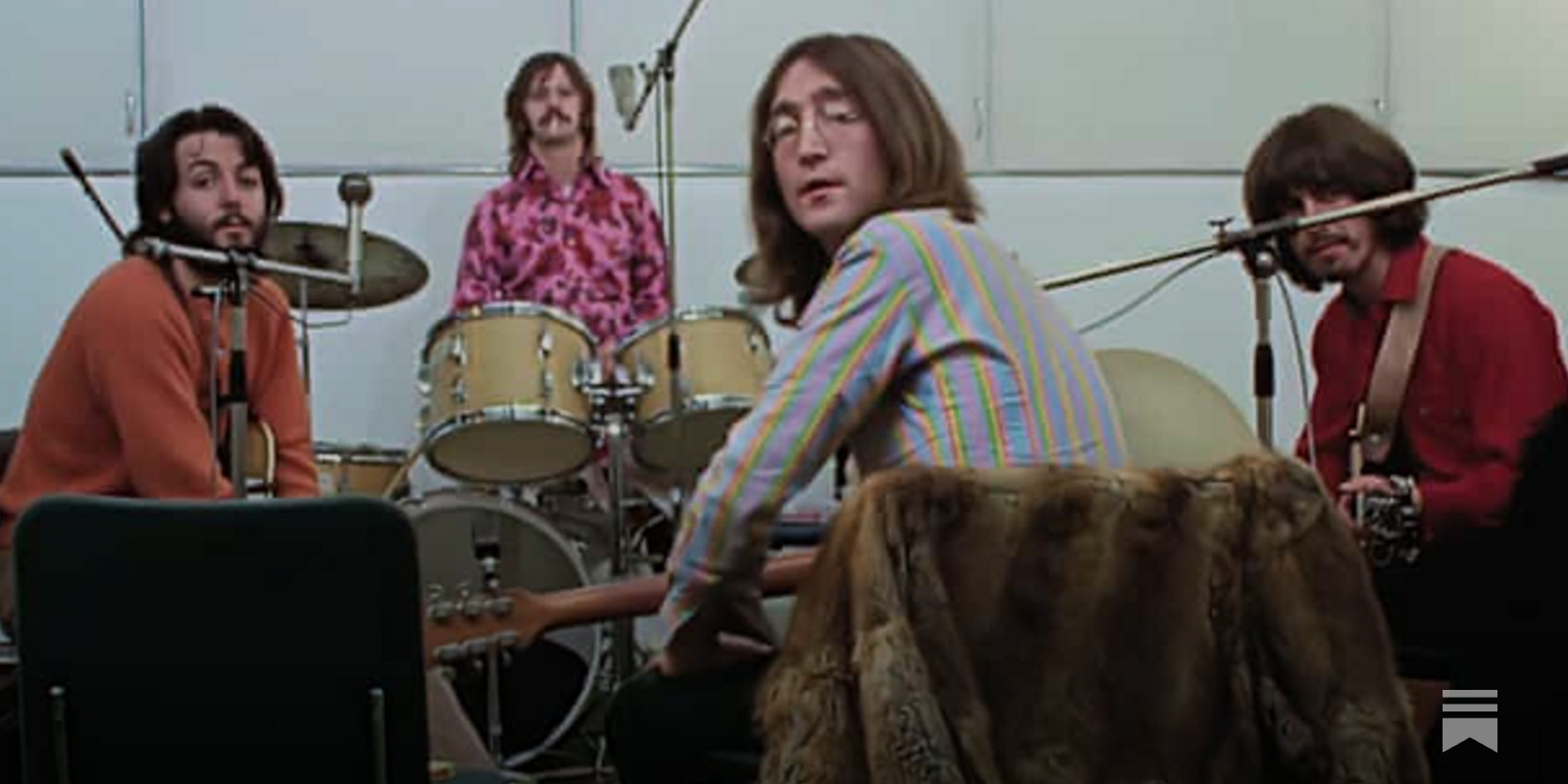
The Banality of Genius: Notes on Peter Jackson's Get Back
A Special Edition of The Ruffian
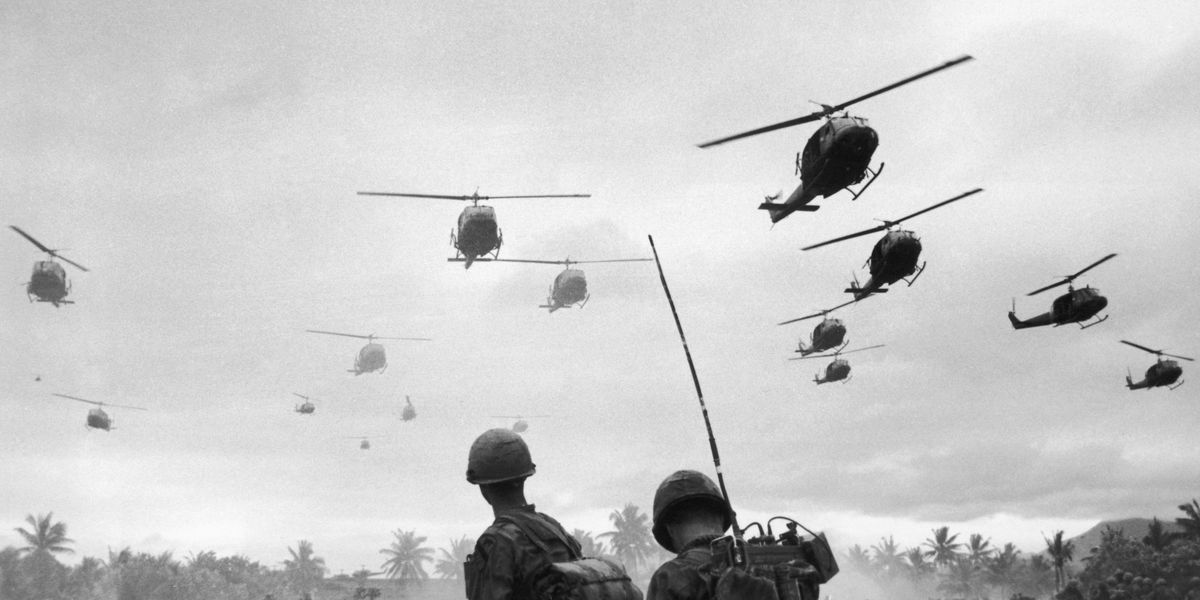
Why Men Love War
Alfred Kazin wrote that war is the enduring condition of twentieth-century man. He was only partly right.
The obsolescence of man, vol I , part 2: The world as phantom and as matrix: philosophical considerations on radio and television - Günther Anders
The first complete English translation of a remarkable 1956 essay about television from Vol. I of The Obsolescence of Man by Günther Anders, who—using phenomenological analyses, excerpts from his diaries and reflections on daily life—depicts a capitalist world that manufactures a warped “mass-man” by imposing nonparticipation, consumption of images, artificial “needs” (“drug addiction is the model for today’s needs”), separation, “conditioning”, an eternal present, commodified leisure and the dissolution of the individual in vapid mass produced roles, in a text that in many ways anticipates the theory of the “spectacle” of Guy Debord and the situationists.
Acemoglu, Johnson et Robinson ont expliqué pourquoi certains pays sont riches et d’autres pauvres
traduction française du résumé des travaux de Daron Acemoglu, Simon Johnson et James A. Robinson (prix Nobel d'économie 2024)

VAN MUTOKA on Twitter / X
« Une société sage enseigne le questionnement , non l’obéissance . » John Locke ( 1632 -1704 ap .Jc) pic.twitter.com/RWUFL7Hz3R— VAN MUTOKA (@vanmutoka1) October 10, 2026

"[Man] aspires to make robots as one of the greatest achievements of his technical mind, and some specialists assure us that the robot will hardly be distinguished from living men. This achievement will not seem so astonishing when man himself is hardly distinguishable from a robot." - Erich Fromm
