Traduction française du billet "How severe is China’s growth slowdown (in historical perspective)?" de Branko Milanovic
annotations: La faible croissance est une réalité dans le monde d’après-crise
Traduction française de la tribune "Slow growth is a fact of life in the post-crisis world" d'Olivier Blanchard
Le paradoxe de la mondialisation de la Chine
Traduction française du billet de blog "China’s globalisation paradox. How can China dominate abroad while becoming less export-dependent?" de Richard

Quel risque de "japonisation" de l'économie chinoise ?
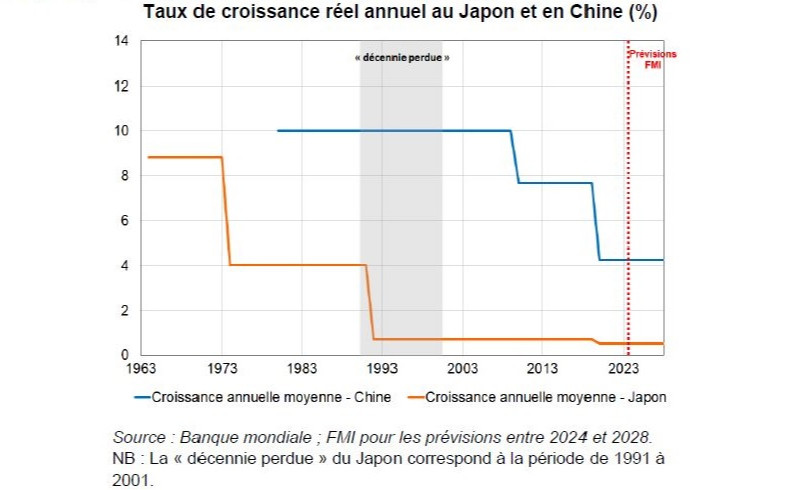
La baisse de la croissance chinoise est marquée par des déséquilibres croissants entre la priorité donnée à l’industrie et à l’investissement d’une part et la faiblesse de la consommation et la crise du secteur immobilier d’autre part. Si cette situation rappelle le Japon des années 1990, marqué par un faible taux de croissance et d’inflation, le ralentissement de l’activité pourrait être moindre
Derrière les chocs chinois, un même modèle de croissance
Traduction française de "Domestic continuities between China Shock 1.0 and China Shock 2.0" de Michael Pettis

La Chine peut-elle survivre au siècle chinois ? | Le Grand Continent
L’industrie chinoise n’a jamais paru aussi puissante. Ses fragilités internes sont tout aussi visibles.

Comment la Chine a assaini son secteur bancaire dans les années 2000
Traduction française de Michael Pettis (2026), « How China's banking cleanup in the 2000s was ultimately paid for by the household sector »

Chine, superpuissance tech et économique : quand le marxisme devient chinois et change le monde
Pour Branko Milanovic, l'économiste serbo-américain spécialiste de l'inégalité au niveau mondial, un marxisme sinisé, construit sur le succès économique et technologique de la Chine, exercera à l'avenir son influence sur l’Occident et d’autres parties du monde.
Le très mauvais excédent de mille milliards de dollars de la Chine
traduction française du billet de blog "China’s very bad, no good trillion-dollar trade surplus" de Paul Krugman

Sᴜɴʀɪsᴇ Oᴀᴛʜ 十 Tʜᴇ Sʏʟʟᴀʙᴜꜱ (ORI) - CC0 on Twitter / X
I am actually very pessimistic regarding the idea that China could be governed by any structure except the top-down (plus situational anarchic) imperial system it has had for millennia. The Chinese social consciousness is *much* smaller in scope than the Western one.— Sᴜɴʀɪsᴇ Oᴀᴛʜ 十 Tʜᴇ Sʏʟʟᴀʙᴜꜱ (ORI) - CC0 (@sunriseoath) October 14, 2026
Chine : un modèle économique à bout de souffle
Le ralentissement de la croissance chinoise révèle les failles d’un modèle économique qui privilégie l’offre au détriment de la demande intérieure et du dévelo…

On the relevance of post-growth in China
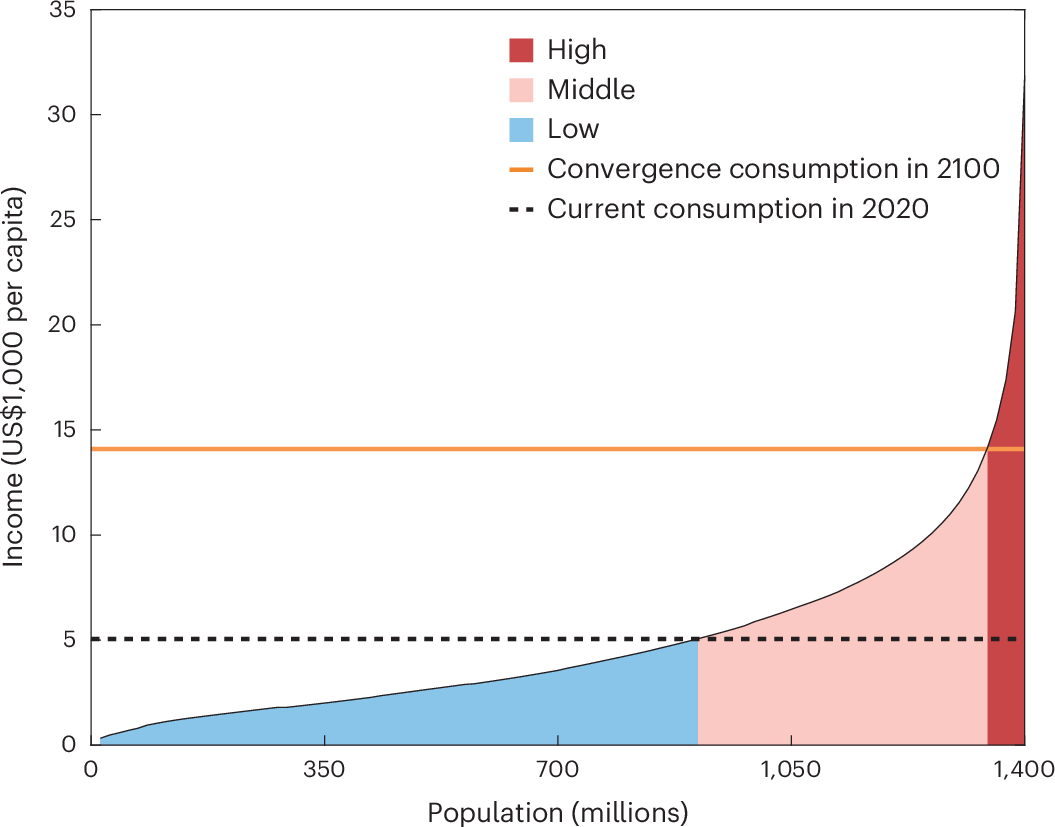
Post-growth refers to approaches prioritizing human well-being and ecological sustainability over gross domestic product expansion as a primary objective of economic policy. While it is widely discussed in the global north and generally targeted at high-income countries, its relevance to China remains underexplored and largely absent from academic discourse. This Perspective discusses China’s position in a possible global post-growth transition and explores convergence and difference between post-growth principles and development priorities in China. We consider how China’s concepts of ‘high-quality development’ and ‘ecological civilization’ could integrate post-growth principles, and vice versa. Understanding China’s context is crucial for a collaborative, effective approach to sustainability and global equity.
annotations: Une réévaluation du yuan chinois contribuerait à réduire les déséquilibres mondiaux
traduction française du billet de blog "Currency revaluation is income rebalancing" de Michael Pettis
Building China: Rise of the Superblock - RADII
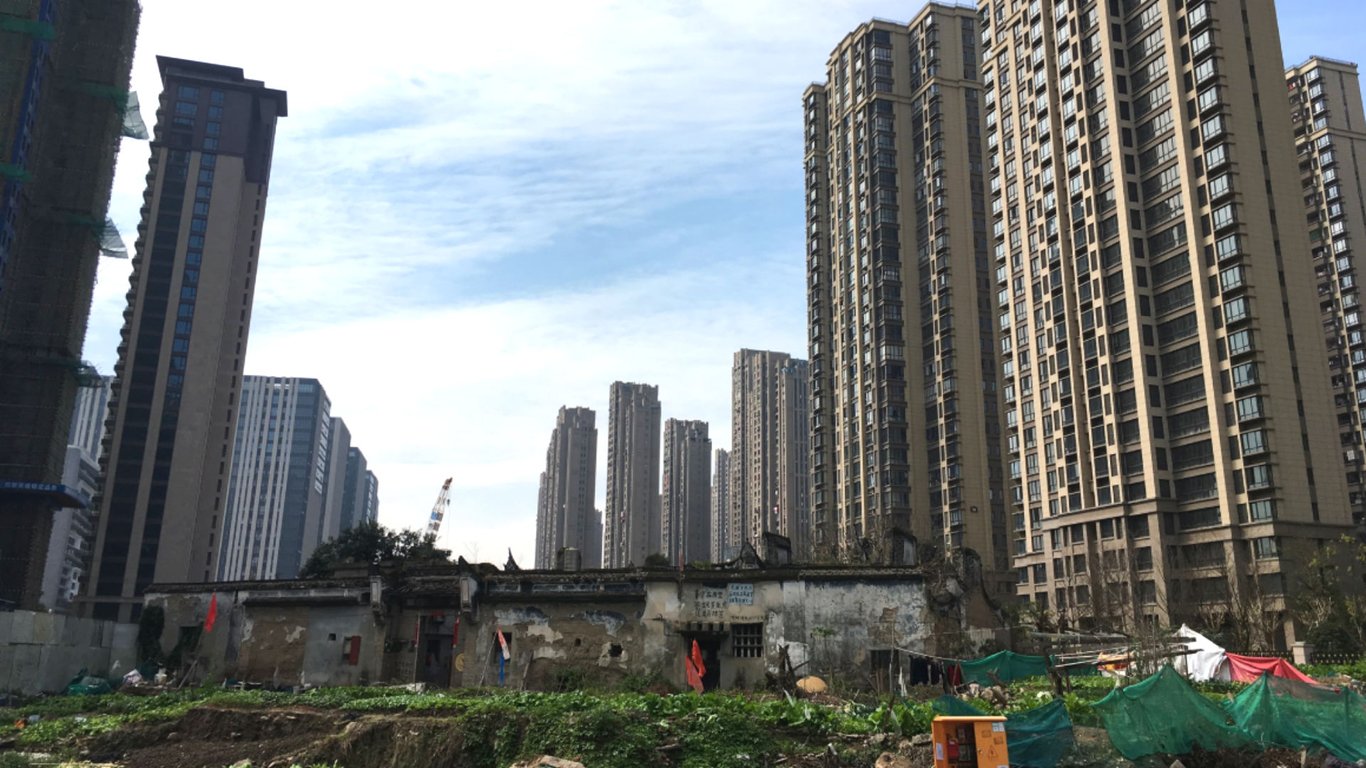
How China came to repeat the urban development mistakes of the US and Europe, resulting in colossal building projects and car-centric living
5,000 Years of History (You Don’t Know China Chapter One)
An excerpt from You Don't Know China, by John Ross. The oft-cited claim that China has five thousand years of history is nonsense, and Ross explains why.

Les changements dans la répartition des revenus en Chine, en Inde et aux Etats-Unis entre 2018 et 2023 : les effets de la pandémie, puis le retour à la normale
Traduction française de "Changes in income distributions in China, India and the United States, 2018-23" de Branko Milanovic

How Do We Explain China’s Higher-Than-Expected GDP Growth and Lower-Than-Expected Components of GDP Growth?
On Thursday, April 16, China’s National Bureau of Statistics (NBS) announced that China’s real GDP growth in the first quarter of 2026 was 5.0%.