It’s not a secret that open-source projects are now a critical part of almost every software project. While most open-source projects are maintained by volunteers, the sustainability of these projects becomes a big concern. The recent xz/liblzma vulnerability accident is a great example that shows the importance of open-source projects and how severe the problem could be.
The Missing Middle of Open Source
Why serious, maintainer-driven projects struggle to sustain themselves—and what it will take to fix it.
It’s time to rethink Open Source
Why developers give away valuable work for free — and what can be done to take that money back.

Robin Berjon (@robin.berjon.com)
Again, we can try to be generous. But this fits a pattern. When people found issues in their open source code, instead of fixing them they went closed source. When they had an XSS vulnerability right at launch it took over a day for them to acknowledge and close it.

Is Open Source Broken?
The movement to develop software applications and all manner of IT services through the open source model is fundamentally rooted in the notion of community contribution, but things have shifted.

Coraline Ada Ehmke: The Rising Ethical Storm in Open Source
In the twenty years since the term “open source” was coined by Christine Peterson, our community has grown astronomically, all the while learning from its successes and failures. A lot has changed for open source developers in the past two decades. But the political and technological landscape has also changed.
A plan for open source software maintainers
It seems to me that this is a case where problems are in fact solutions to other problems. To wit:
What does a sustainable open source project look like?
Over the past couple years, thanks in part to Nadia Eghbal’s Roads and Bridges report, the world is starting to see the need for long-term…

Give Away Your Code, But Never Your Time — William Gross
As software developers, I think we can agree that open-source1 code has transformed the world. Its public nature tears down the walls that prevent some pieces of software from becoming the best they can be. The problem is that too many valuable projects stagnate, with burned-out leaders:
Open source sustainability
While only twenty years ago open-source software was simply a curiosity that attracted the attention of a few academics and was not seriously considered in the software industry, open-source infrastructure today is ubiquitous, powering applications in virtually every domain.
NSF investing in secure open-source ecosystems
Open-source software is ubiquitous, supporting artificial intelligence, data science, cloud computing, telecommunications and scientific research tools. Despite these benefits, the number of open-source developers is relatively small, and many projects lack sufficient resources, slowing the pace of innovation and making maintenance difficult. In addition, weaknesses in open-source software, such as security flaws, supply chain risks or insider threats, can spread across many connected systems. In extreme cases, these weaknesses could lead to large-scale failures that affect national or global systems.

Open Source Saturation
In Supporting Open Source Software I discussed the critical need for better support for contributors to open source projects. Now, Quo Vadi...

Open Source Sustainability
The status quo in open source is broken. Corporations profit hugely from open source libraries, and give almost nothing back, which leans to burnout which is bad for everyone.

I hate the term “open source”
It doesn’t accurately reflect how people are building today anymore.

Open Source is Broken
The Open Source movement, as championed by the OSI, prizes absolute openness above all other concerns. Openness, they claim, is an absolute good, from which all other virtues flow, not to be questioned or criticized. It doesn’t matter if that openness enables evil in the world, without openness we
Is open source broken or are we breaking it? - jsmanrique.es
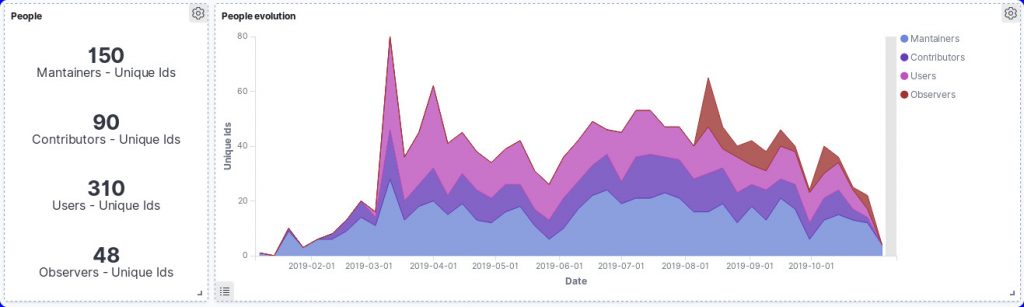
Following my previous post, I’d like to keep sharing some personal humble thoughts about on going debates around open source status. This post is focus on the so called unbalanced relationship between open source software maintainers and open source software users. Who are the open source software maintainers? And the users? People develop and maintain … Continue reading "Is open source broken or are we breaking it?"
Open Source is Not Enough
by James Halliday // The open source movement has fundamentally changed how software gets written. But in the process, corporations have been given a vast gift of free labor.