

“The absence of problems” is the best definition I can come up with for quality.
How to create software quality.
I’ve been reading Steven Sinofsky’s Hardcore Software, and particularly enjoyed this quote from a memo discussed in the Zero Defects chapter: You can improve the quality of your code, and if you do, the rewards for yourself and for Microsoft will be immense. The hardest part is to decide that you want to write perfect code. If I wrote that in an internal memo, I imagine the engineering team would mutiny, but software quality is certainly an interesting topic where I continue to refine my thinking. There are so many software quality playbooks out there, and I increasingly believe that all these playbooks work in their intended context, but are often misapplied.
A plan for open source software maintainers
It seems to me that this is a case where problems are in fact solutions to other problems. To wit:
Is High Quality Software Worth the Cost?
We usually perceive that it costs more to get higher quality, but software internal quality actually reduces costs.
What We Know We Don't Know: Empirical Software Engineering
Empirical Software Engineering is the study of what actually works in programming. Instead of trusting our instincts we collect data, run studies, and peer-review our results. This talk is all about how we empirically find the facts in software and some of the challenges we face, with a particular focus on software defects and productivity. Talk doesn’t seem to be online yet; in the meantime, you can see a recording of an older version of the talk here.
The Case for Software Craftsmanship in the Era of Vibes
From the Zed Blog: Working toward genuine, quality software in an era where code production is not the constraint anymore.
A distributed systems reliability glossary
A list of key concepts for building and testing reliable distributed systems, with basic definitions and deep references.
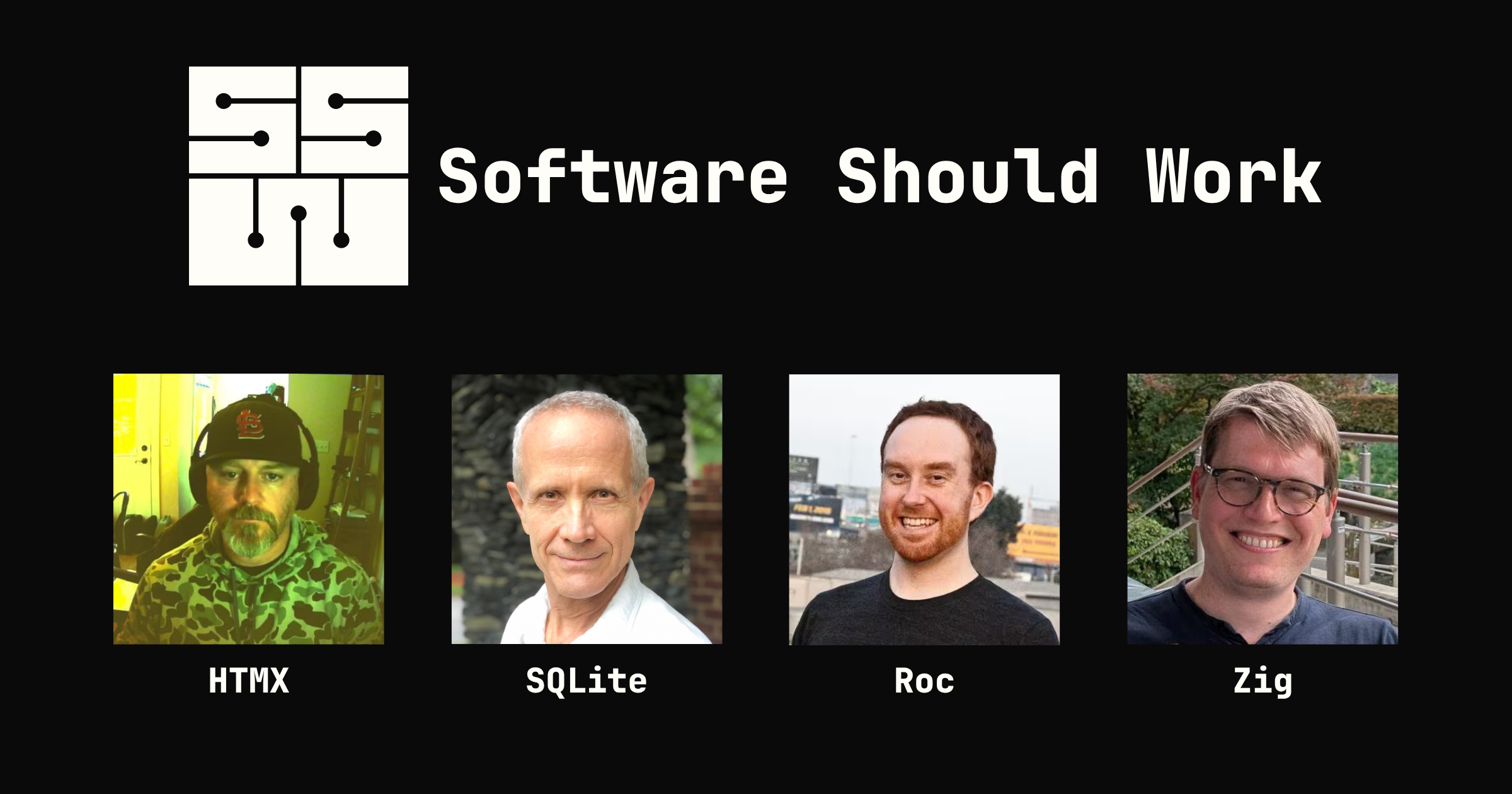
Software Should Work
An independent conference on software reliability in Columbia, MO on July 16-17, 2026
Seeing Like a Programmer (LambdaConf 2024) — Sympolymathesy, by Chris Krycho
How do we make good software, and indeed, what makes software good: both as software, and in terms of its place in the world?

software that sucks less | suckless.org software that sucks less
Geoffrey Litt
Welcome! I work on malleable software: computing environments where anyone can adapt their software to meet their needs with minimal friction. To see what that means to me, read this essay or listen to this interview.
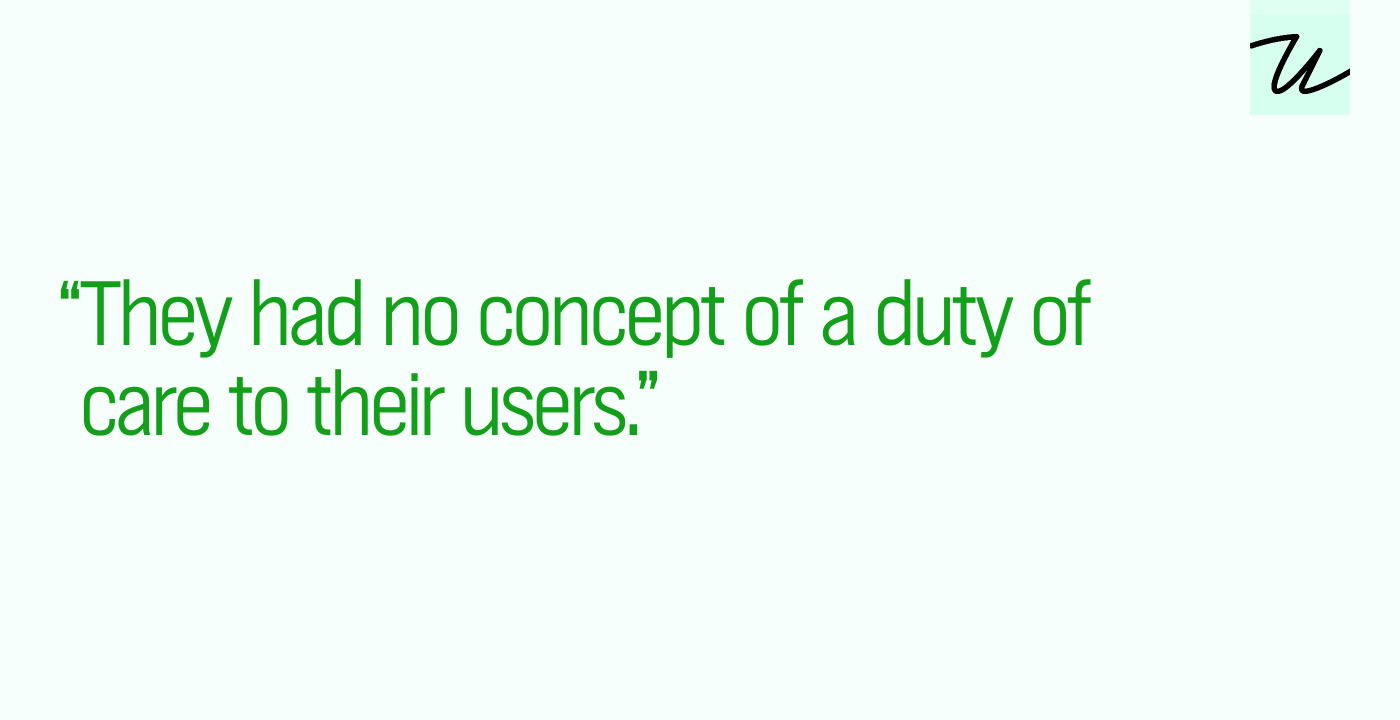
“They had no concept of a duty of care to their users.” – Unsung
A blog about software craft and quality
Failures count more than Successes
User-experience is defined by the times when a computer doesn't work, not by the times when it does.
Overview data quality dimensions [Data Management Wiki]
home
A delightful language with friendly error messages, great performance, small assets, and no runtime exceptions.
Perfect Software - Software for an Audience of One
We have many names to describe personal tools. Malleable software speaks to how it behaves. Home-cooked software speaks to who makes it.
Why We Can't Have Nice Software - Andrew Kelley
The problem with software is that it's too powerful. It creates so much wealth so fast that it's virtually impossible to not distribute it.