

The struggles of an open source maintainer - <antirez>
A new era for software testing - <antirez>
Programmers are not different, they need simple UIs. - <antirez>
Open Source Hype Antidote
critical and alternative views on free and open source software

The $70B Open Source Software Paradox
It’s no news that over the last 10-15 years, particularly noticeable in the last 5 years, the enterprise software industry has gradually transformed from complex, expensive, closed-source (proprietary) software stacks to extensible/configurable,...
Pluralistic: The (other) problem with automatic conversion of free software to proprietary software (23 Apr 2026) – Pluralistic: Daily links from Cory Doctorow
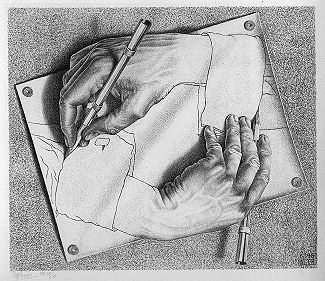
Here's an interesting stunt: a project called Malus.sh will take your money, and in exchange, it will ingest any free/open source code you want, refactor that code using an LLM, and spit out a "clean room" version that is freed from all the obligations imposed by the original project's software license:
GNU and the AI reimplementations - <antirez>
The Rules of Open Source No Longer Apply | Built In
When free software first gained traction, the world looked very different.

Some notes on running new software in production
Some notes on running new software in production
Software Is Made Between Commits
From the Zed Blog: Agents turned the conversation into the real source of our software. DeltaDB is the version control built for it.
Malleable software in the age of LLMs
All computer users may soon have the ability to author small bits of code. What structural changes does this imply for the production and distribution of software?
Malleable software in the age of LLMs
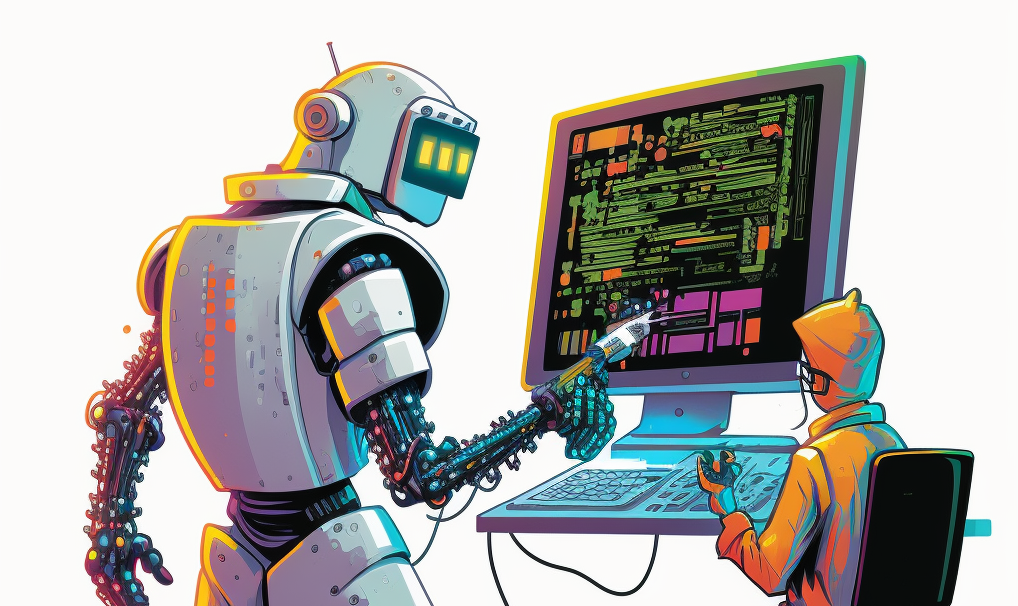
All computer users may soon have the ability to author small bits of code. What structural changes does this imply for the production and distribution of software?
Malleable software in the age of LLMs
All computer users may soon have the ability to author small bits of code. What structural changes does this imply for the production and distribution of software?
Where Did Software Go Wrong? | Jesse Li
Software is broken, but it's not because of NPM, startups, AI, or venture capitalists. A deep dive into how we think about and produce code, and how our software systems reflect the manic state of the modern world.
A plan for open source software maintainers
It seems to me that this is a case where problems are in fact solutions to other problems. To wit: