The spirit of the nineteenth-century exhibitions of industry, and how we might organise a Great Exhibition for the modern day.
Age of Invention: On the Silver Screen
Increasing the supply of people becoming inventors is possibly one of the most significant, world-changing things that anyone can do. Some thoughts on how to do it through film.
War and the lost generation of inventors
Large wars destroy not only lives and infrastructure but also the human capital that fuels long-term economic progress. This column presents new evidence from Britain that shows that communities that lost many young men in World War I experienced persistent declines in subsequent innovation. The losses were particularly detrimental for frontier technologies and breakthrough inventions, highlighting how war can leave long-lasting scars on a country’s capacity to generate new ideas.

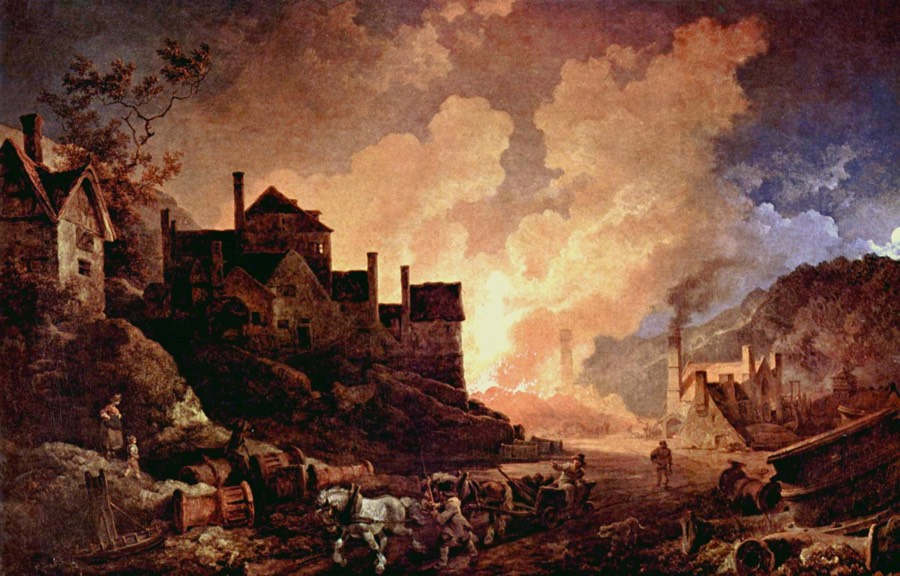
The Industrial Revolution, climate change, and Brexit
The Industrial Revolution began in the mid-18th century in Great Britain. To provide power for the wondrous new inventions producing marvelous new goods and ser
Invention & Discovery Cards
A Civilization-inspired tech tree but for the real life history of science and discovery. Inventions and discoveries presented in illustrated Magic-style cards.
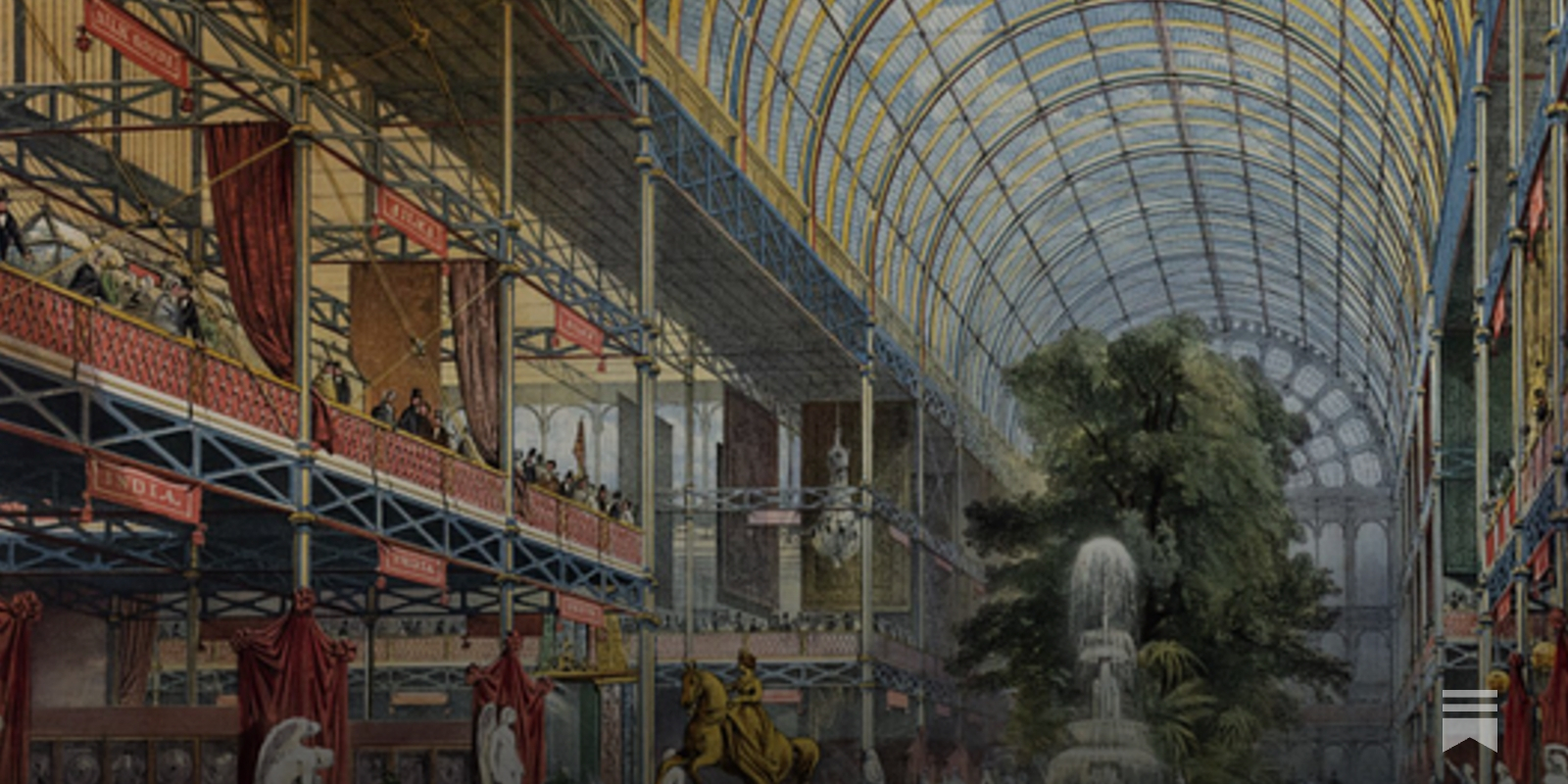
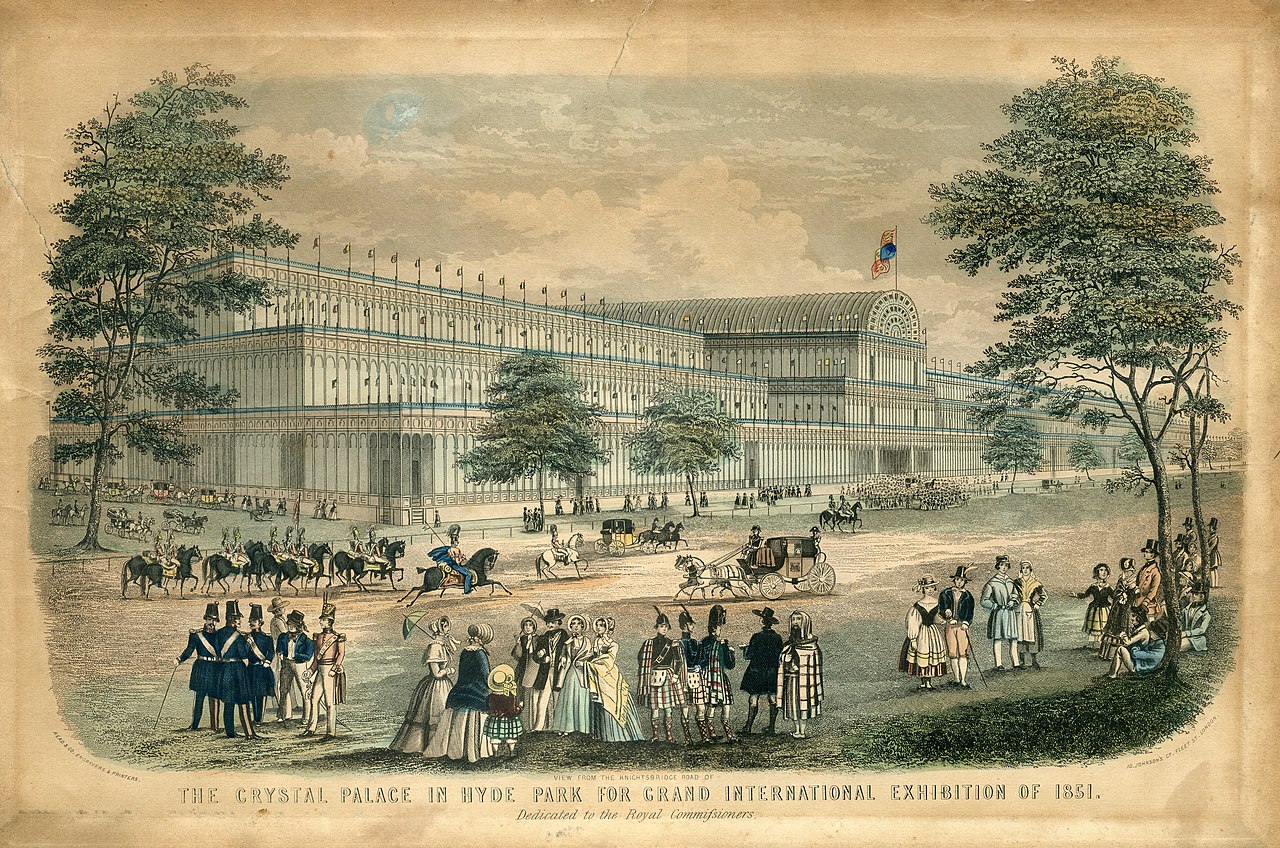
Great Exhibition
The Great Exhibition of the Works of Industry of All Nations, also known as the Great Exhibition or the Crystal Palace Exhibition, was an international exhibition that took place in Hyde Park, London, from 1 May to 15 October 1851. It was the first in a series of world's fairs, exhibitions of culture and industry that became popular in the 19th century. The event was organised by Henry Cole and Albert, Prince Consort of Victoria, Queen of the United Kingdom.
The History of Fashion Through The Decades - GLAM OBSERVER
Let’s delve into the fascinating history of fashion through the decades and explore the history from the 1900s until the present day.

Berlin Biennale | All Problems Can Be Illuminated; Not All Problems Can Be Solved
We can all tell this story: The rails of human advancement stretching from the Enlightenment to a Bitcoin start-up; innovation measured by increased reach, increased uniformity, increased predictability and size and quickness. The telegraph to the landline to the mobile phone to the Bluetooth wearable; the abacus to Pascal’s mechanical calculator to the room-sized computer to the palm-sized device a million times more powerful than equipment a thousand times its size from only ten years ago; the stone tablet to the book to the internet offering everything, no excuses. We are all connected. We’re at the bright tip of a comet hurtling forward. We can place ourselves, with mild satisfaction. Thank god it’s not then. What kind of person uses a BlackBerry? (Old people!)

Invention Cards 3.0: Stories
Last month, after a long hiatus, I showed invention.cards to a friend in SF and came away unsatisfied. Indeed, the work was not yet done . Three things drove this revision: It felt incomplete. The experience was built around T-shaped navigation, focusing on a specific card and showing only their ancestors and descendants. It was hard to see where you were in time, hard to feel the shape of history, and ultimately was far removed from the way a tech tree should feel . The connections matter more than the nodes. What's most interesting to me was not
Read The Work of Art in the Age of Mechanical Reproduction
1935 essay by Walter Benjamin; proposes that mechanical reproduction devalues the aura of an artwork, that—in the age of mechanical reproduction and traditional ritualistic value’s absence—art production would be inherently based on political praxis
Industrial Revolution And Its Consequences
19th century | Fashion History Timeline
For a brief overview, see the V&A's "Introduction to 19th-Century Fashion" and "History of Fashion, 1840-1900."

The Matrix of Convivial Technology – Assessing technologies for degrowth
This article introduces the notion of convivial technology as a conceptual framework for technologies suitable for degrowth societies. This paper is i…
A People’s History of Tech
A collective storytelling project to build a more representative history that reflects the human impacts of technology.

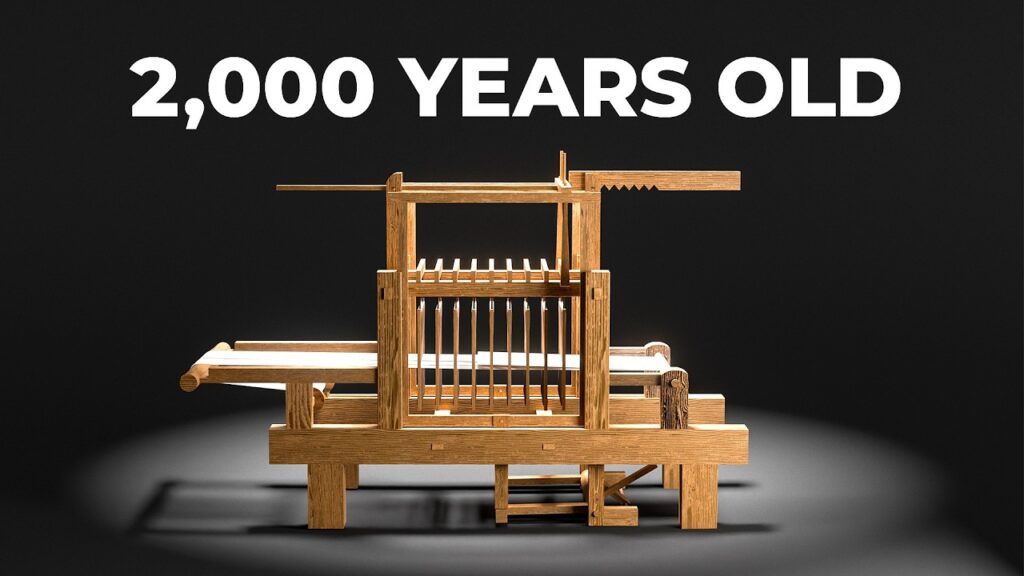
The Ingenious Engineering of Silk: How the 2,000-Year-Old Pattern Loom Powered the Silk Road and the Wealth of Ancient China
The Silk Road's long period of high activity spanned the second century BC and the fifteenth century AD, but its name wasn't coined until more than 400 years after that.