

From the time we learn to speak, we’re told that if you don’t have anything nice to say, don’t sa...
Radical Respect: How to Work Together Better by Kim Scott
What moves us in the wrong direction? Kim Scott offers a "toxonomy" that breaks down a problem th...
Fighting Back: A Citizen’s Guide to Resistance
Ordinary people have more power than they know.
Badass: Making Users Awesome by Kathy Sierra
What is a badass? I love the word itself, because there is practically no way to use it in a negative way. It’s a good word.

Collections: How the Weak Can Win – A Primer on Protracted War
Thanks to our volunteer narrator, this post is now available in audio format. This week, in an effort to fill in some of the theoretical basis for thinking about how weaker powers think about fight…

The Power of Habit: Why We Do What We Do in Life and Business by Charles Duhigg
A young woman walks into a laboratory. Over the past two years, she has transformed almost every ...
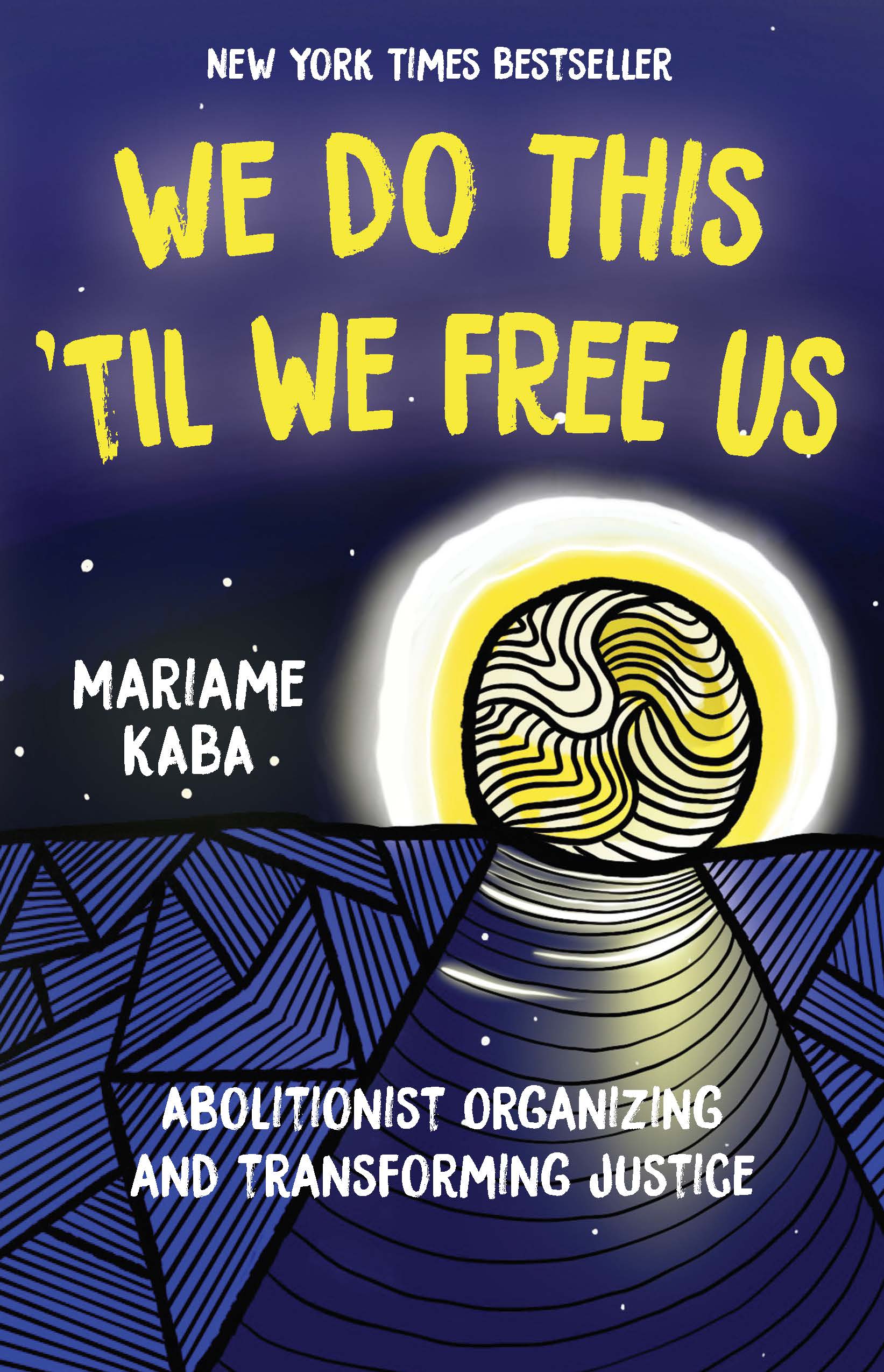
We Do This 'Til We Free Us
New York Times Bestseller “Organizing is both science and art. It is thinking through a vision, a strategy, and then figuring out who your targets are, always being concerned about power, always being concerned about how you’re going to actually build power in order to be able to push your issues, in order to be able to get the target to actually move in the way that you want to.” What if social transformation and liberation isn’t about waiting for someone else to come along and save us? What if ordinary people have the power to collectively free ourselves? In this timely collection of essays and interviews, Mariame Kaba reflects on the deep work of abolition and transformative political struggle. With a foreword by Naomi Murakawa and chapters on seeking justice beyond the punishment system, transforming how we deal with harm and accountability, and finding hope in collective struggle for abolition, Kaba’s work is deeply rooted in the relentless belief that we can fundamentally change the world. As Kaba writes, “Nothing that we do that is worthwhile is done alone.”
Two Cheers for Anarchism: Six Easy Pieces on Autonomy, …
James Scott taught us what's wrong with seeing like a s…


The short instructional manifesto for relationship anarchy
Andie Nordgren The short instructional manifesto for relationship anarchy 2006

Things You Thought You Didn’t Need To Care About That Have a Big Impact On Your Job
Conference talk with Holly Cummins at GOTO Copenhagen 2025

Effective Altruism’s Problems Go Beyond Sam Bankman-Fried
Sam Bankman-Fried made effective altruism a punchline, but its philosophy of maximum do-gooding masks a thriving culture of predatory behavior.

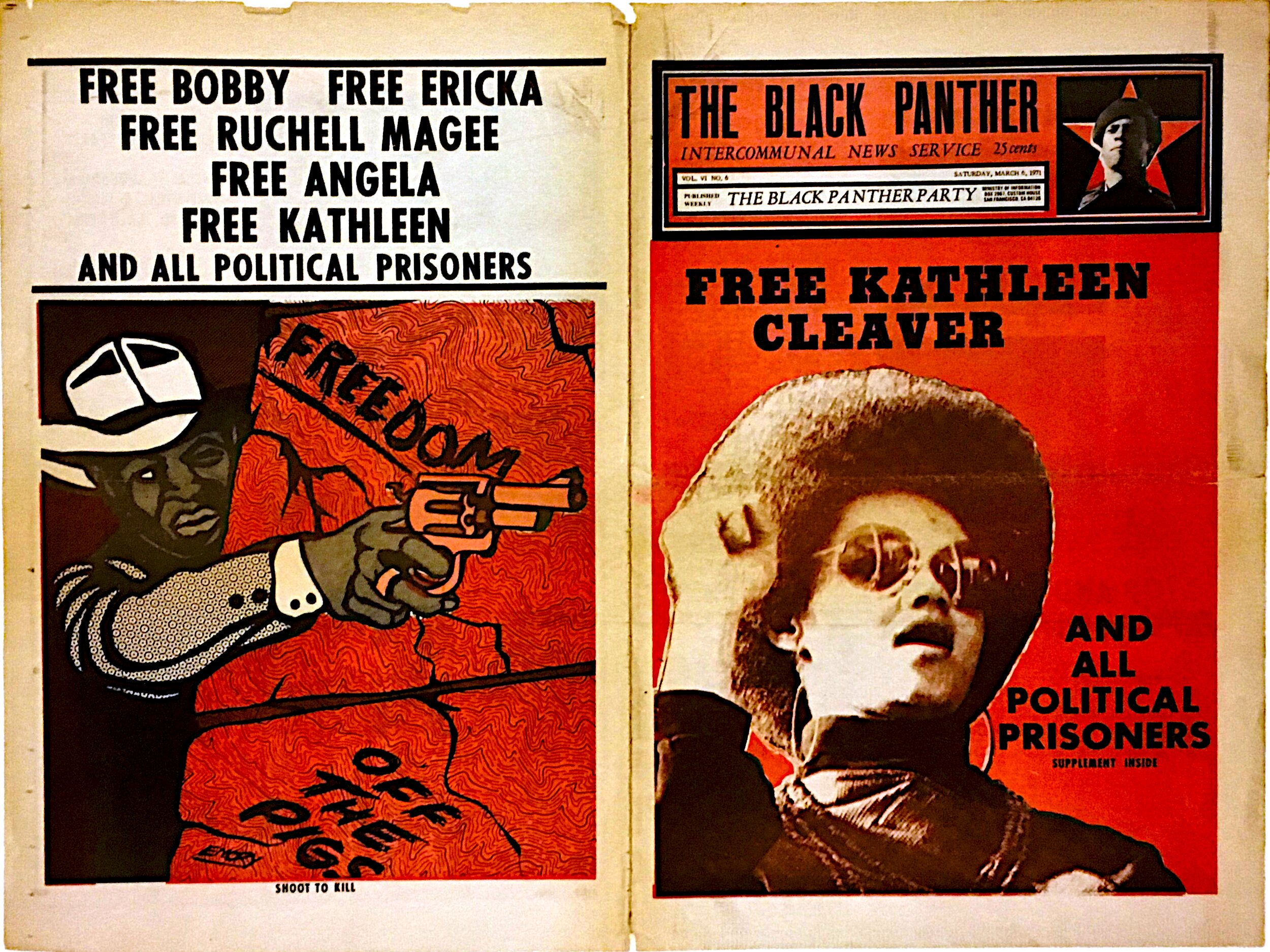
Deeds, Not Words: The Myth of Polite Revolution
A refusal of the sanitized story that rights were won by asking nicely. The suffragettes bombed Westminster Abbey. The Deacons for Defense guarded MLK. Man…
Iain McGilchrist – Rediscovering Wisdom in a World Gone Mad
Helena Norberg-Hodge talks to Iain McGilchrist, a one-of-a-kind thinker, Oxford literary scholar, and doctor in psychiatry and neuroscience.
"There is a contrast between my biological development, confidently realizing its in-built norm, and my fumbling psychological development, realizing partially..one among many apparently possible orders .. Learning what to want is the most radical, the most painful and the most creative art of life"
Go listen to @rose.bsky.team lay out the secret master plan for what we're trying to pull off here youtube.com/watch?v=pZbdkvdvT-8

Bluesky COO Rose Wang On Building a Better Social Network
www.youtube.com
