

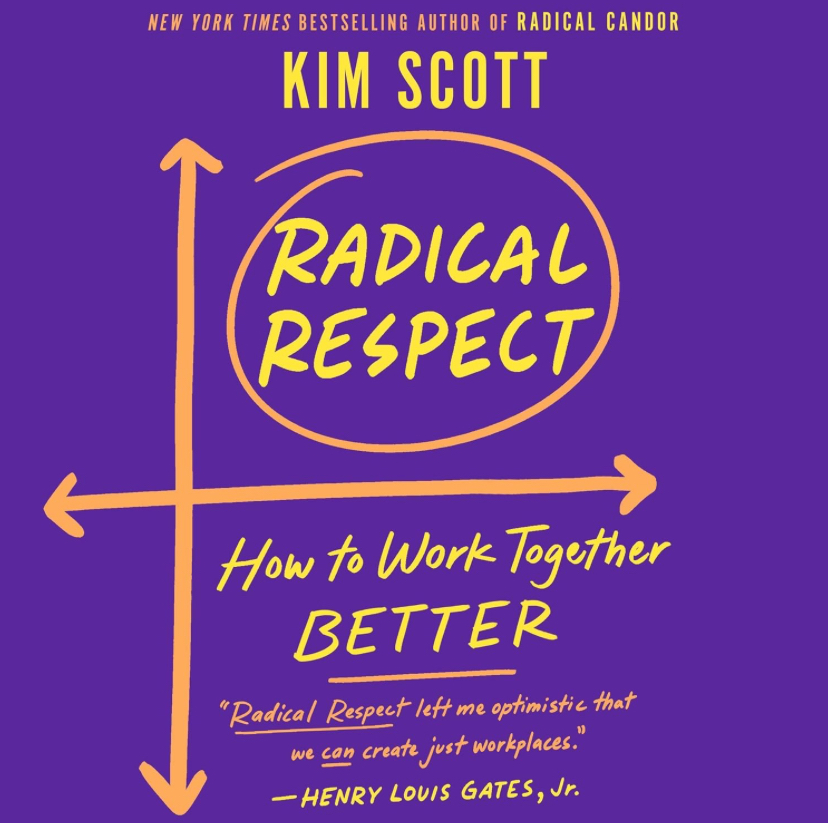
What moves us in the wrong direction? Kim Scott offers a "toxonomy" that breaks down a problem th...
Radical Candor: Be a Kickass Boss Without Losing Your Humanity by Kim Malone Scott
From the time we learn to speak, we’re told that if you don’t have anything nice to say, don’t sa...
Two Cheers for Anarchism: Six Easy Pieces on Autonomy, …
James Scott taught us what's wrong with seeing like a s…

We Do This 'Til We Free Us
New York Times Bestseller “Organizing is both science and art. It is thinking through a vision, a strategy, and then figuring out who your targets are, always being concerned about power, always being concerned about how you’re going to actually build power in order to be able to push your issues, in order to be able to get the target to actually move in the way that you want to.” What if social transformation and liberation isn’t about waiting for someone else to come along and save us? What if ordinary people have the power to collectively free ourselves? In this timely collection of essays and interviews, Mariame Kaba reflects on the deep work of abolition and transformative political struggle. With a foreword by Naomi Murakawa and chapters on seeking justice beyond the punishment system, transforming how we deal with harm and accountability, and finding hope in collective struggle for abolition, Kaba’s work is deeply rooted in the relentless belief that we can fundamentally change the world. As Kaba writes, “Nothing that we do that is worthwhile is done alone.”

The short instructional manifesto for relationship anarchy
Andie Nordgren The short instructional manifesto for relationship anarchy 2006
Nurturing Our Humanity: How Domination and Partnership Shape Our Brains, Lives, and Future - The Center for Partnership Systems
By Riane Eisler and Douglas P. Fry Nurturing Our Humanity: How Domination and Partnership Shape Our Brains, Lives, and Future, by Riane Eisler and Douglas P. Fry, holds the key to a clear perspective on our personal and social options in today’s world, showing how to structure our environments – from family and gender relations […]

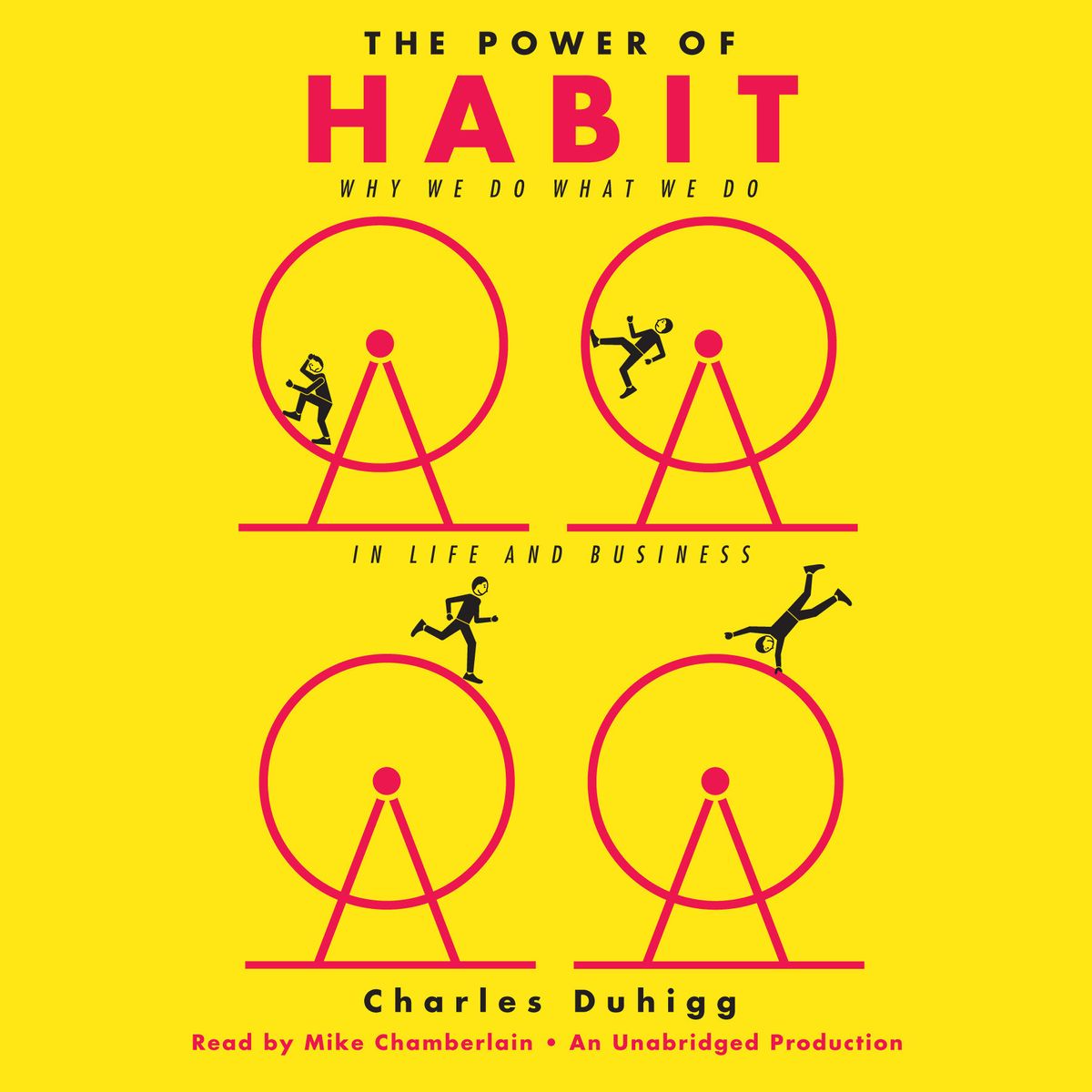
The Power of Habit: Why We Do What We Do in Life and Business by Charles Duhigg
A young woman walks into a laboratory. Over the past two years, she has transformed almost every ...
A Wild chat with Sarah Stein Lubrano on getting people to change
How do we change people’s minds about what’s happening to the world...before it's too late?
What to Do as the World Falls Apart: A Framework for Action | Frankly 132
Podcast Episode · The Great Simplification with Nate Hagens · March 20 · 53m

Charlie Kirk, Ezra Klein, and the Cost of Civility-Theater Liberalism
“Talking across divides” is laudable—until it becomes a license to launder antidemocratic and dehumanizing ideas.

Why "Solutions" Fail | Dave Snowden
Our methodology
We expose injustice and spark change. Help change the world by becoming a Bureau Insider

Mallory Knodel
Mallory Knodel: Activist and advocate transforming technology for social justice.

Recently I’ve been thinking a lot about this 2015 observatio...
Recently I’ve been thinking a lot about this 2015 observation on Tumblr about the dangerous conflation of respect of personhood and the respect of authority.
Wisdom in a World in Crisis: The Counterintuitive Need to Slow Down and Find Spaciousness - The Great Simplification
In this episode, Nate is rejoined by philosopher and neuroscientist Iain McGilchrist for discussion on how our left-brain dominance obscures our sense of value, especially for abstract qualities such as truth, goodness, and beauty.

Preface | The World After Capital
Since publishing the previous version of The World After Capital, I have met with people across the political spectrum to discuss the ideas from the book. When I present these in person, I emphasize that the ideas are neither left nor right but forward (credit to Scott Santens who first used this phrase about Universal Basic Income). My writing, however, at times has alienated readers who identify as being more on the right. In this new edition, I am therefore making an extra effort to emphasize how both my diagnosis of where we are at and my suggestions for how to move forward do not map onto the existing political divides. Instead this is a new way of understanding our challenges and opportunities that can be the basis for movements and parties that are not trapped in Industrial Age ideology.

