

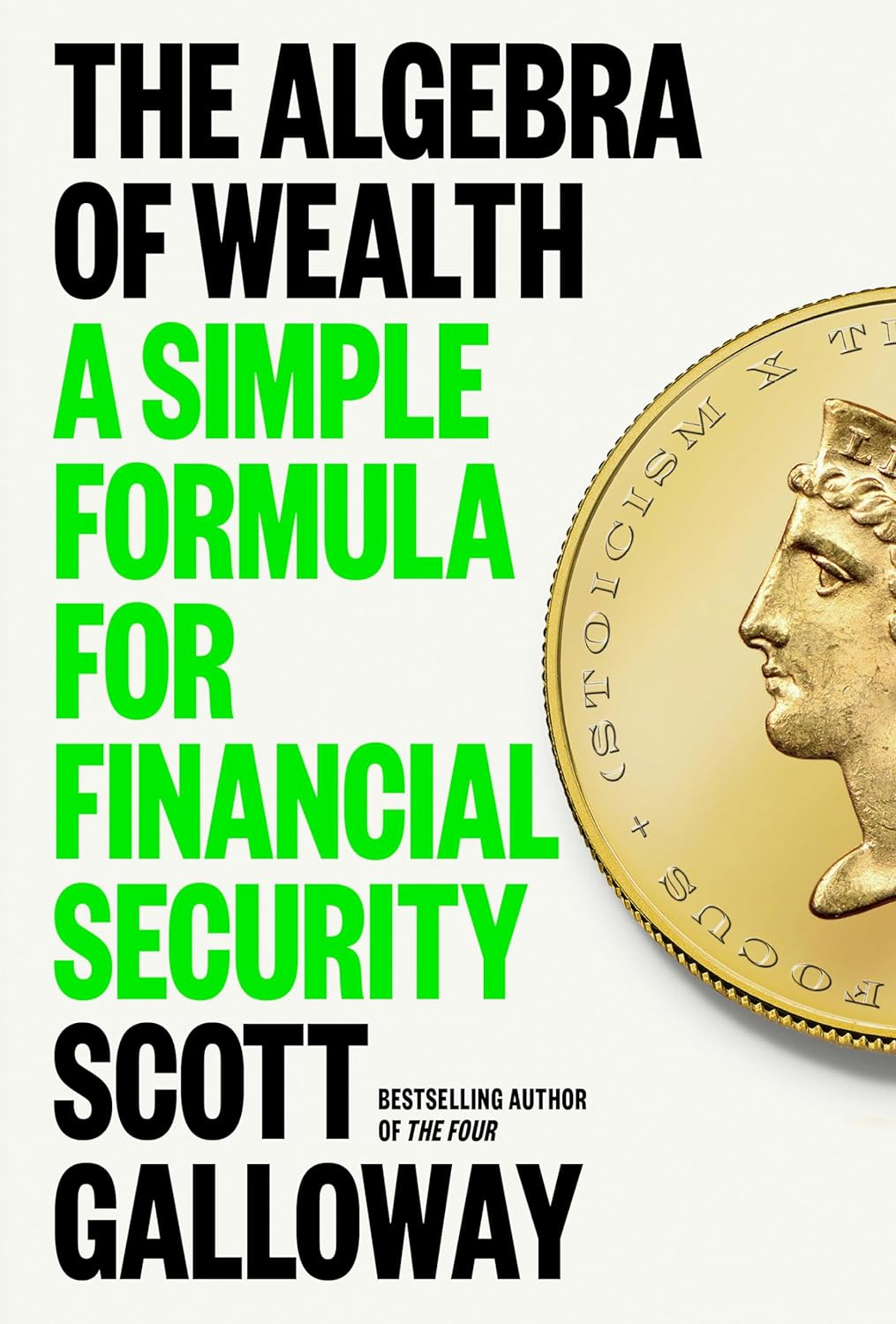
A must-have guide to optimizing your life for wealth and success, from bestselling author, NYU p...
Book review: Elinor Ostrom’s Rules for Radicals, by Derek Wall
Elinor Ostrom was the first and so far the only woman to win the Nobel prize for economics*. She received the award in 2009 for her work on the commons. Ostrom died three years later, leaving behin…

A Star Investor's Tale of Risk, Ruin & Reinvention w/ Victor Haghani (RWH071)
Personal Finance
Get the Business Insider take and compare the best savings accounts, best credit cards, best insurance policies, and more. Never feel like a financial outsider again.

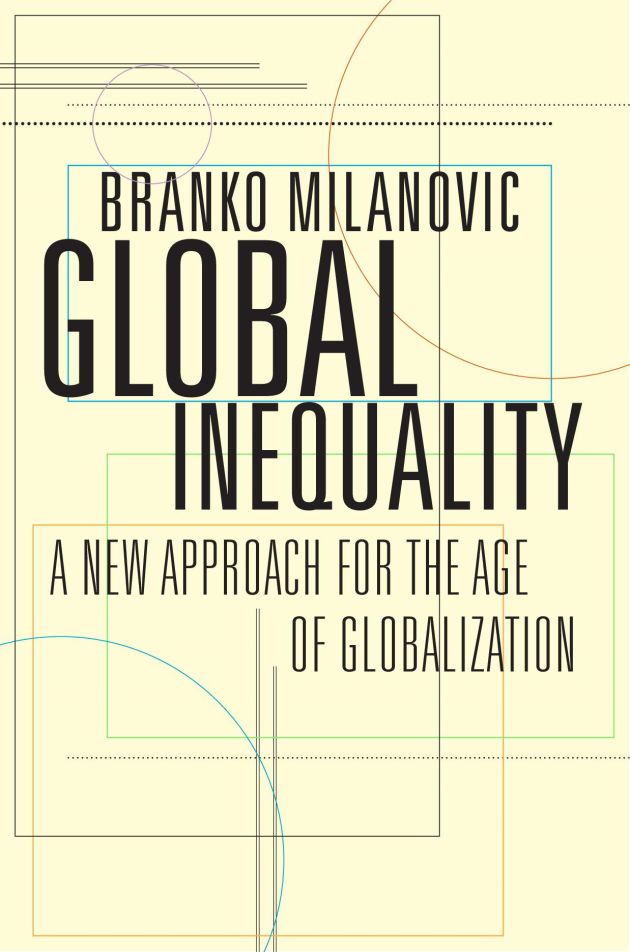
Global Inequality — Harvard University Press
Winner of the Bruno Kreisky Prize, Karl Renner InstitutA Financial Times Best Economics Book of the Year An Economist Best Book of the Year A Livemint Best Book of the YearOne of the world’s leading economists of inequality, Branko Milanovic presents a bold new account of the dynamics that drive inequality on a global scale. Drawing on vast data sets and cutting-edge research, he explains the benign and malign forces that make inequality rise and fall within and among nations. He also reveals who has been helped the most by globalization, who has been held back, and what policies might tilt the balance toward economic justice.“The data [Milanovic] provides offer a clearer picture of great economic puzzles, and his bold theorizing chips away at tired economic orthodoxies.”—The Economist“Milanovic has written an outstanding book…Informative, wide-ranging, scholarly, imaginative and commendably brief. As you would expect from one of the world’s leading experts on this topic, Milanovic has added significantly to important recent works by Thomas Piketty, Anthony Atkinson and François Bourguignon…Ever-rising inequality looks a highly unlikely combination with any genuine democracy. It is to the credit of Milanovic’s book that it brings out these dangers so clearly, along with the important global successes of the past few decades.—Martin Wolf, Financial Times
My own private basic income
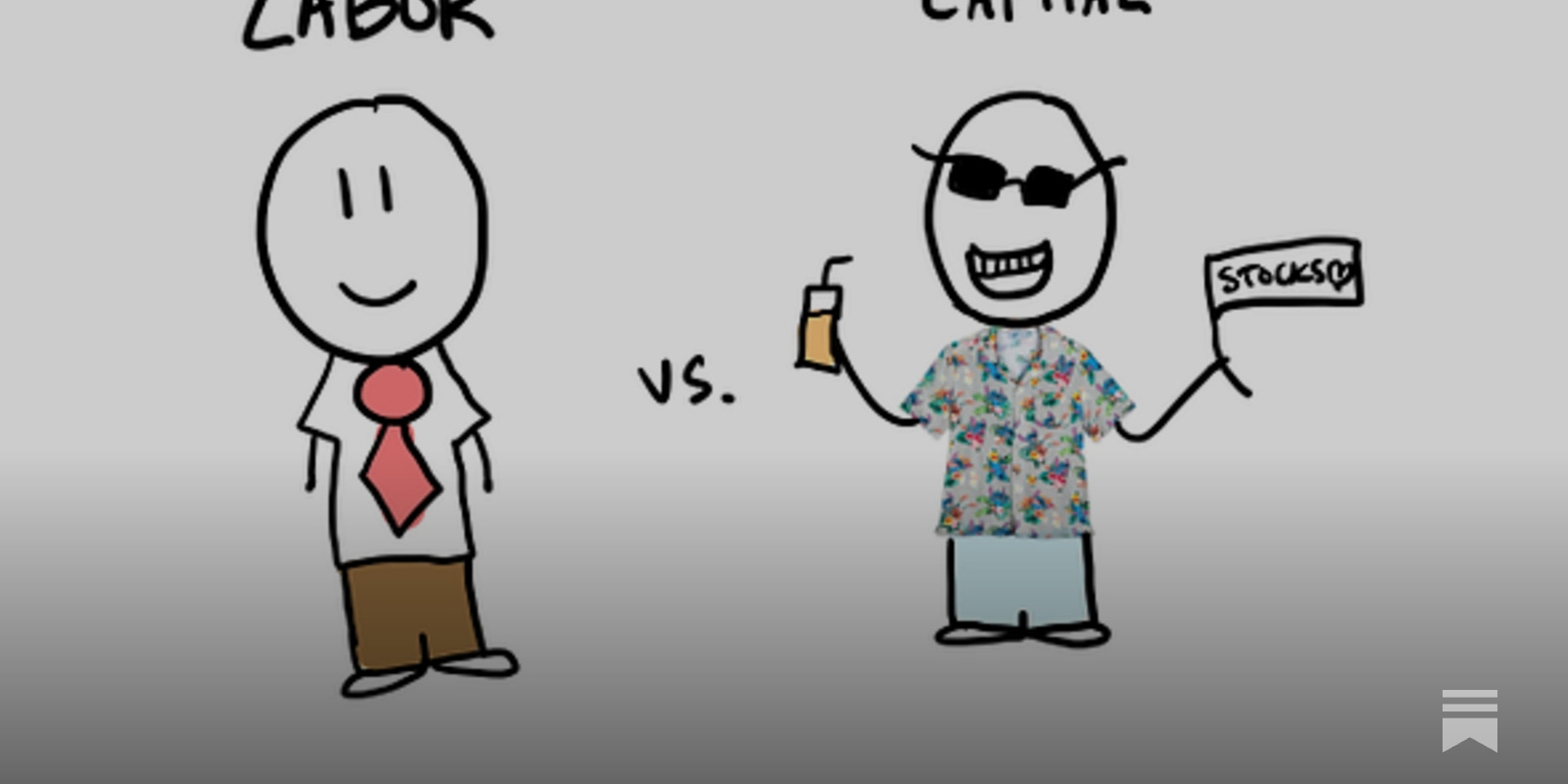
One person’s experience becoming a business owner shows how our economy is based on luck rather than merit and how it rewards people who own stuff rather than people who do stuff.

Why the super rich are inevitable
Why some mathematicians argue the economy is designed to create a few super rich people – unless we stop it.
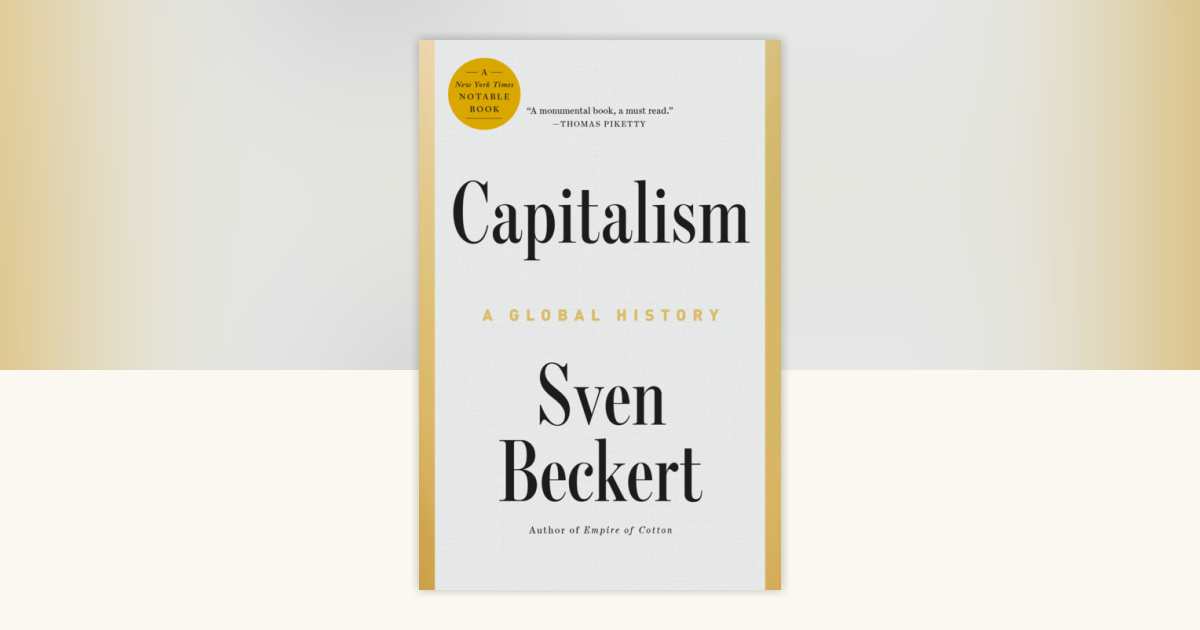
Capitalism by Sven Beckert: 9780735220836 | PenguinRandomHouse.com: Books
Buy Capitalism by Sven Beckert from Penguin Random House
Household Finance
Household financial decisions are complex, interdependent, and heterogeneous, and central to the functioning of the financial system. We present an overview of the rapidly expanding literature on household finance (with some important exceptions) and suggest directions for future research. We begin with the theory and empirics of asset market participation and asset allocation over the life cycle. We then discuss household choices in insurance markets, trading behavior, decisions on retirement saving, and financial choices by retirees. We survey research on liabilities, including mortgage choice, refinancing, and default, and household behavior in unsecured credit markets, including credit cards and payday lending. We then connect the household to its social environment, including peer effects, cultural and hereditary factors, intra-household financial decision-making, financial literacy, cognition, and educational interventions. We also discuss literature on the provision and consumption of financial advice.
A psychologically rich life: Beyond happiness and meaning.
Measuring Self-Control Problems
We develop a survey instrument to measure self-control problems in a sample of highly educated adults. This measure relates in the manner that theory predicts to liquid wealth accumulation and personality measures. Yet while self-control problems are typically seen as resulting in overconsumption and low wealth, we identify a significant group who underconsume and thereby accumulate high levels of wealth. In addition, self-control problems are smaller in scale for older than for younger respondents. Those who put money aside in retirement accounts may be delaying access to a point at which self-control problems are no longer important. (JEL D12, D14)
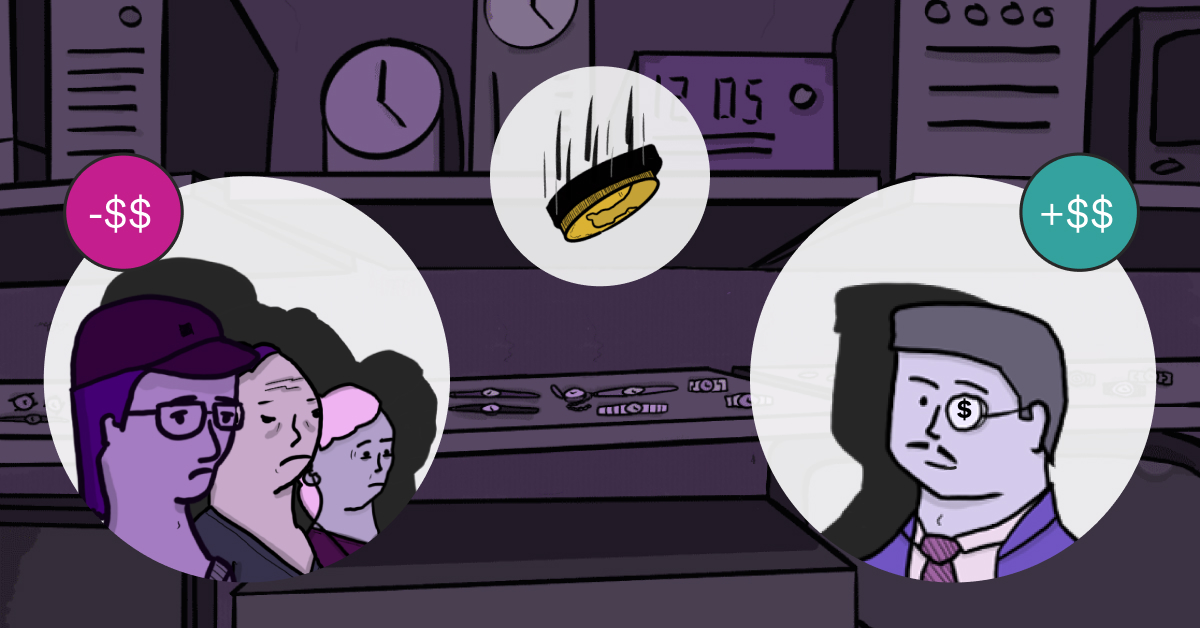
The Monsters, Inc. Argument for Unconditional Basic Income
How to convert an economy based on fear to one based on joy

The Everywhere Millionaire: Who Is Really Rich in America and How They Got There
From two leading economists comes a groundbreaking new portrait of the hidden fortunes of Main Street business owners—ordinary Americans who built extraordinary wealth and are quietly rewriting the rules of money and power. Most people think the path to great wealth runs through Wall Street or Silicon Valley. We’re told you must be a Zuckerberg, a Musk, or a Jamie Dimon to get rich. But this story is wrong. Drawing on unprecedented data from a decade of research and vivid real-life stories of entrepreneurs—from a self-made hot-dog stand billionaire to the heirs of an auto dealer—Zidar and Zwick reveal a surprising truth: prosperity is more attainable, more widely distributed, and closer to home than we imagine. A multitude of Americans have built staggering fortunes by running often unglamorous businesses far from the spotlight. A quiet revolution in the business world—the rise of “pass-through” firms like S-corporations and partnerships—supercharged this wealth, channeling vast income directly to business owners rather than traditional corporations.Part economic detective story, part roadmap to riches, this book reveals: —The Hidden 1%: They might be a local beer distributor, a dentist with a regional network of practices, a commercial HVAC contractor with trucks around town, or a restaurateur who keeps opening new locations. For every public company CEO, more than a thousand private business owners each have transformational wealth.— The Blueprint for Wealth: Zidar and Zwick describe where Main Street Millionaires come from, how they grew rich, and how much money they make. Their stories suggest the American Dream is not dead and many paths to prosperity remain open today. — Power Brokers: Armed with their fortunes, Main Street Millionaires wield power in city halls, statehouses, and Washington, often bending policy to protect what they’ve built. They are both growing the economic pie and grabbing bigger slices for themselves.The Everywhere Millionaire celebrates the stories of entrepreneurs who seized opportunities while asking hard questions about how concentrated wealth and power shape society. It is an essential guide to seeing the economy as it really is and recognizing the surprising paths to prosperity—and influence—everywhere.
Small Bets — Expert-Led Classes for Entrepreneurs
Get lifetime access to 53 expert-led classes. One payment, yours forever.

Estimating Discount Functions with Consumption Choices over the Lifecycle
We estimate β-δ time preferences and relative risk aversion (RRA) using a lifecycle model including stochastic income, liquid and illiquid assets, credit cards, dependents, Social Security, mortality, and bequests. Preference parameters are identified by cross-tabulating four lifecycle age intervals and four balance sheet moments: the proportion of households carrying (i.e., revolving) credit card debt, average carried credit card debt, average net wealth among households carrying credit card debt, and average net wealth among households not carrying credit card debt. The sixteen moments are approximately matched by (MSM) parameter estimates β = 0:50, δ = 0:99, and RRA = 1:3.

The following is from an essay which will be coming out later this year, but it's so relevant to this moment, I'm just going to excerpt a little section. Please read the whole essay when it comes out! "While the asset class’s thought leaders, such as BlackRock CEO Larry Fink... 1/18

Tressie McMillan Cottom
Just saw BlackRock ceo warning that data center moratorium would trigger a massive recession, which is fear mongering. And also hahahahahahhahahahaaaa.
