

A personal archive of media and curiosities.
myles' garden
myles braithwaite's garden of ideas. a collection of thoughts, photos, and things they love.
Hardcover
We're a social network for book lovers to find life changing books, track what you read & want to read, and connect with passionate readers.

Ecosystem or Echo-System? Exploring Content Sharing across Alternative Media Domains
Kate Starbird,Ahmer Arif,Tom Wilson,Katherine Van Koevering,Katya Yefimova,Daniel Scarnecchia
Taylor Owen
Academic, writer and podcast host working on media, digital technology and public policy.
In Depth: Miscellaneous
*this is a giant, everchanging collection of micellaneous tidbits about my life and career.* On The Moniker I had a habit as a kid of creating fictional enti...
Hawkins-Weeks Photography
A blog about photography, featuring landscape, nature, abstract and macro subjects, plus articles on art, music and books (oh, and coffee!)
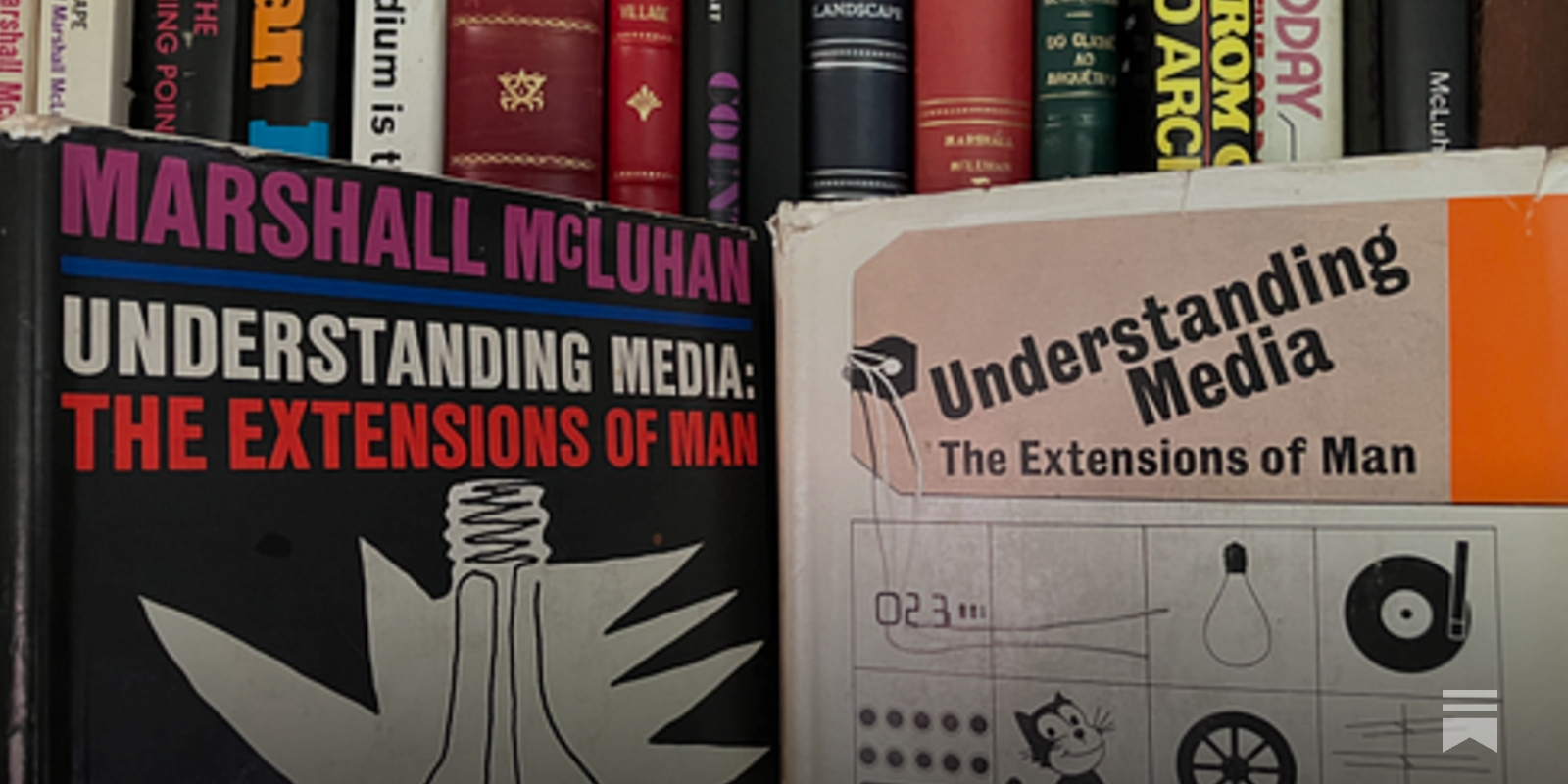
Reading, and Understanding Media
A guidebook, and poetry more than prose, Marshall McLuhan's 1964 work remains one of our best resources for exploring the nature and effects of new media. It's not an easy read, so I'm going to help.

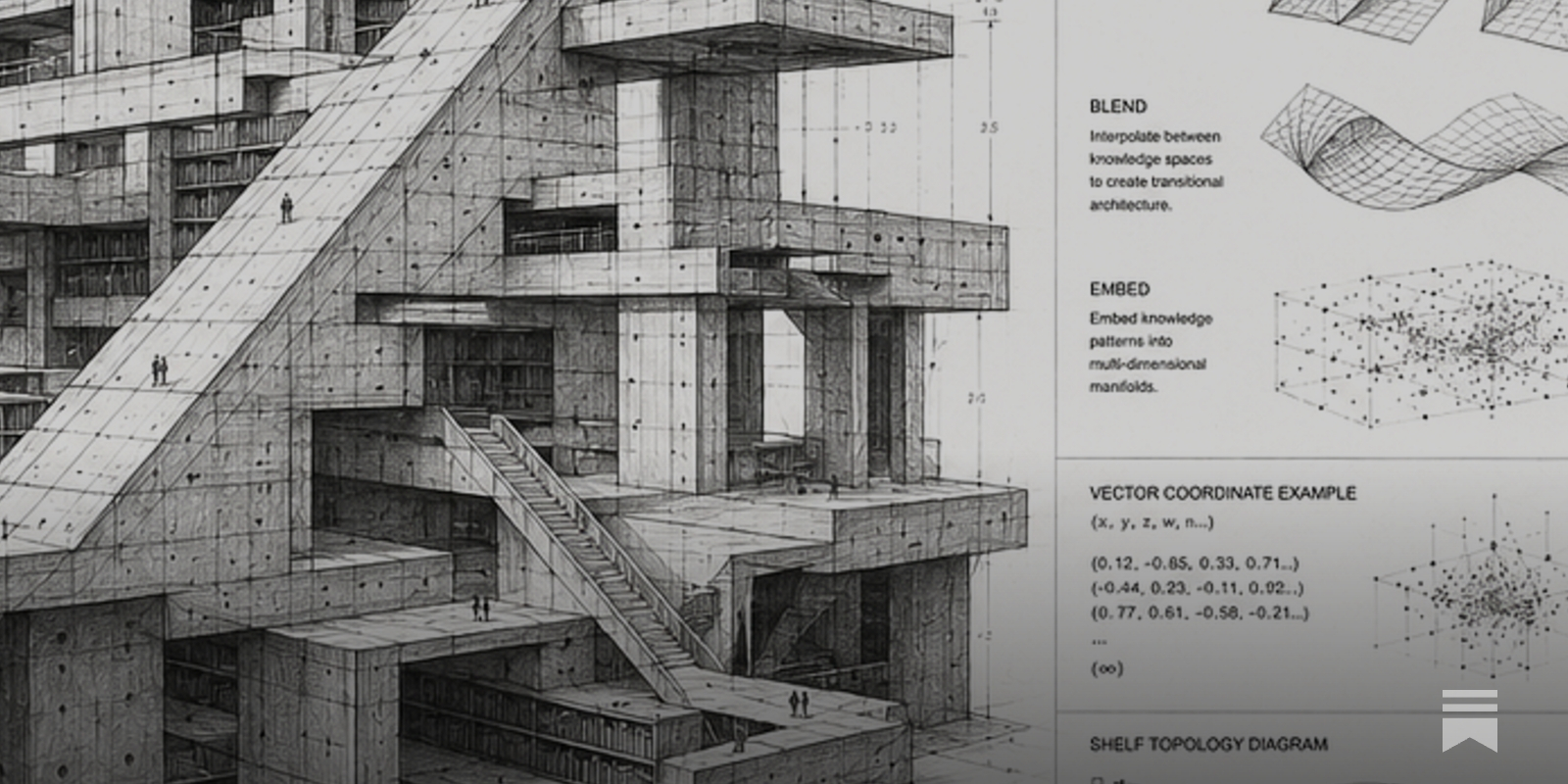
The Skeleton Library
On Interpolatable Archives, Part 1: Compulsions to Connect, Warburg, Borges and Goldsmith, Cultural Technologies and Digital Oralities

Dark Matters: On the Surveillance of Blackness by Simon…
Discover and share books you love on Goodreads.

Living, in Limbo - Hintjens.com
Biography | Portfolio | GitHub Books | Videos | Slides | Stories | Wiki Contact
Utopian media studies: Introduction
This introduction to the special issue ‘Utopian Media Studies’ sketches a framework for how media studies can become a site of utopian praxis, research and experimentation. It first addresses three apprehensions media scholars might have about the notion of utopian media studies and its appeal to a loaded concept like ‘utopia’. The introduction then outlines five sensibilities to explicate the nature and significance of this special issue’s contribution to the field: a utopian media studies must adopt an ecological approach to media; recognize and be invigorated by limits; work toward the technological liberation of time; connect imagination with practice; and emphasize and enable conditions for transmitting hope. Lastly, the introduction considers Ruth Levitas’s distinction between utopia’s archaeological, ontological, and architectural mode to map some of the concrete ways in which existing media studies research is doing utopian work that aligns with these sensibilities. In connecting work that operates in these modes with the various contributions to this special issue, the introduction reveals the utopian currents that already run through media studies as a discipline and opens up new conceptual and methodological approaches to studying and modeling digital utopias.
