

A man confronts his past during an experiment that attempts to find a solution to the problems of a post-apocalyptic world caused by a world war.
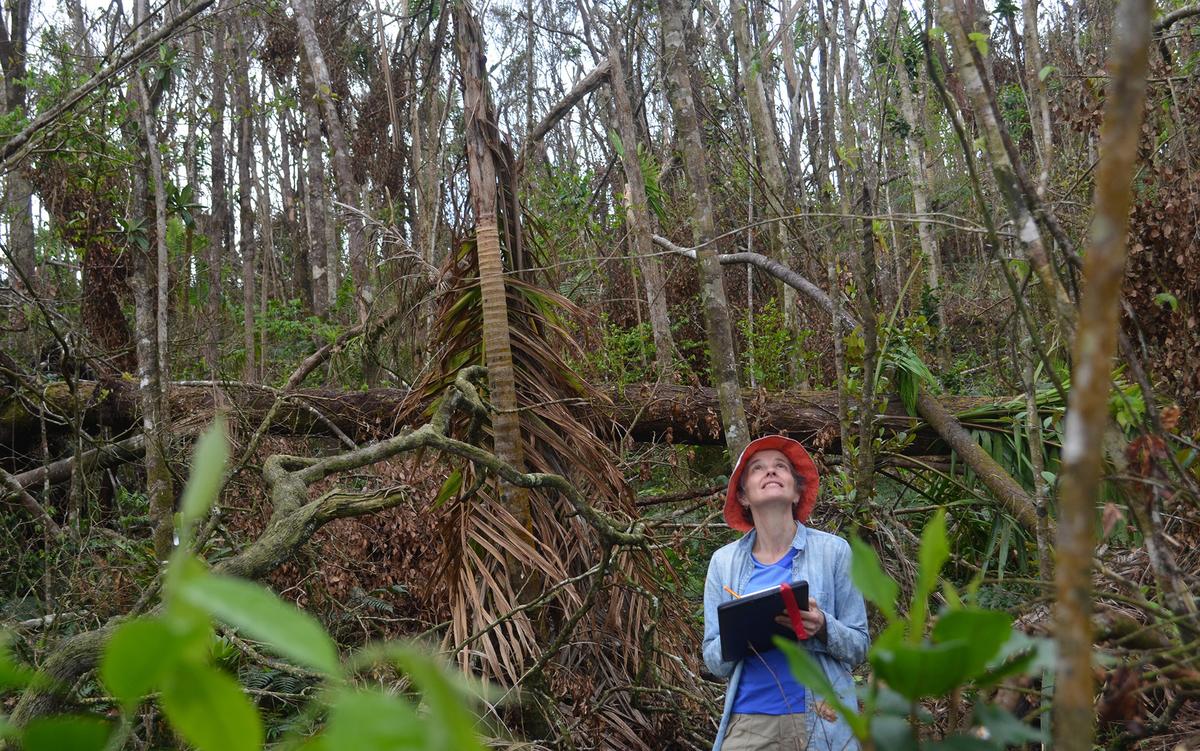
How atomic doomsday experiments shaped disturbance ecology | Aeon Essays
How atomic doomsday experiments, fuelled by Cold War fears, shaped then shook ecologists’ faith in self-healing nature
Informatics of the Oppressed
An inquiry into the rich history of radical experiments to reorganize information.

Bringing experiments down to earth - Jack Stilgoe, 2026
A commentary on Thao Phan’s ‘Testing-in-the-wild: innovation nationalism and the colonial dynamics of new technology testbeds’.

The Protagonist Problem - Uncanny Magazine
“Speculative Resistance”—a term coined by Malka Older—posits that one great power speculative fiction wields is that exploring other worlds and ways societies could work encourages people to question extant systems, to imagine alternatives, to hope, to act, and to reject the old hope-ending “because that’s the way it is.” The author Ursula K. Le Guin […]

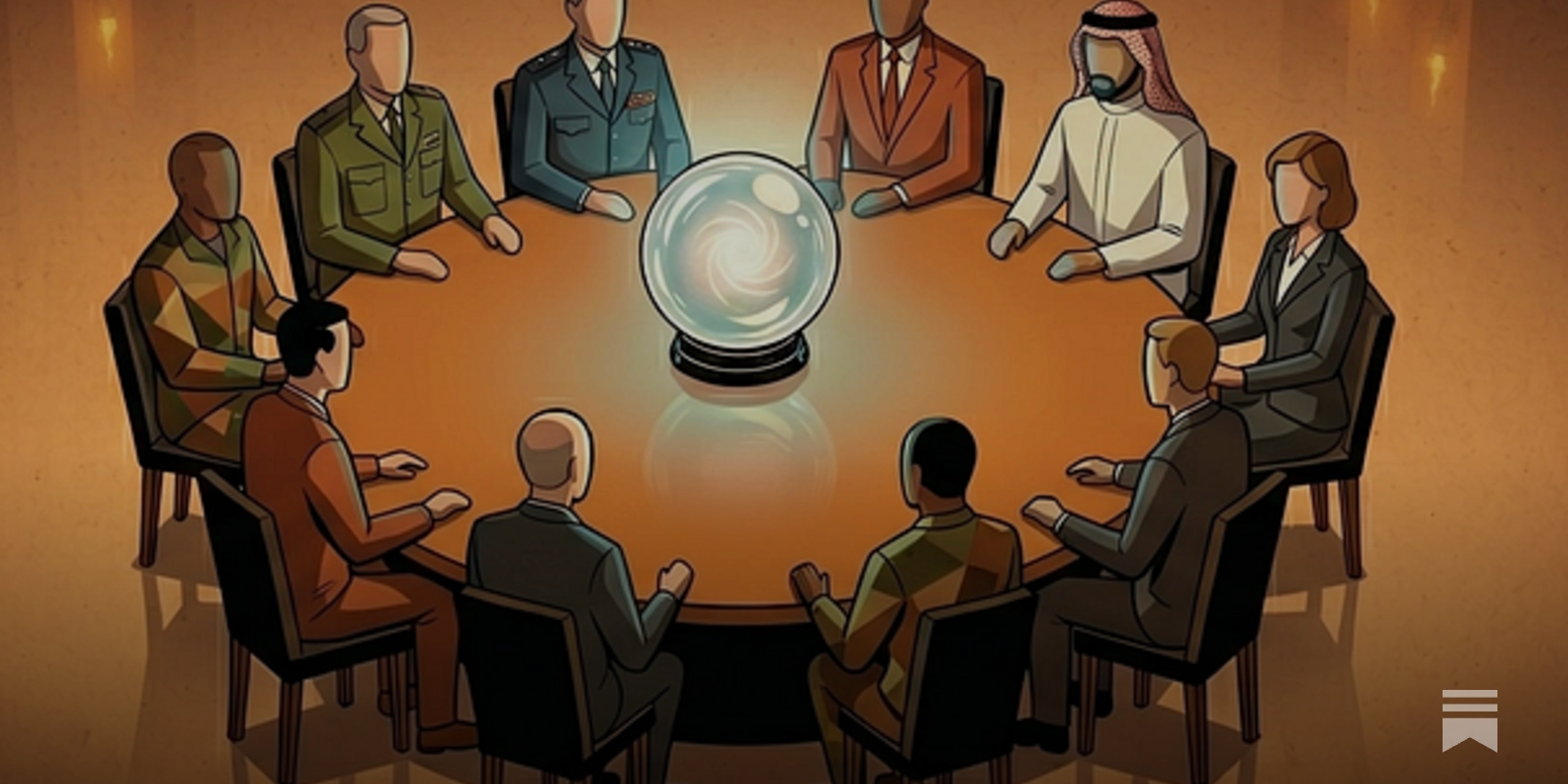
The Expert Trap and the Next War
what forecasting failure tells us about the future
Annick de Witt on Worldview Theory in a Time Between Worlds
Join us for the Life Itself Research Community Call#33. Annick de Witt discusses how her research on worldviews helps us respond to our current period of global societal transition.
Facebook’s crisis demands a reevaluation of computer science itself
As Robert Oppenheimer watched a mushroom cloud from the first nuclear detonation bloom over a New Mexico test site, he repeated a line from the Hindu epic Bhagavad-Gita: “Now I am become Death, the destroyer of worlds.” The scientist who helped build the world’s most lethal weapon saw how physicists would forever confront the consequences of their discoveries.

Paul Feyerabend
Paul Feyerabend (b.1924, d.1994), having studied science at theUniversity of Vienna, moved into philosophy for his doctoral thesis,made a name for himself both as an expositor and (later) as a critic ofKarl Popper's “critical rationalism”, and went on to becomeone of the twentieth century's most famous philosophers of science. Animaginative maverick, he became a critic of philosophy of scienceitself, particularly of “rationalist” attempts to lay downor discover rules of scientific method.
A Scientist Rebels
The following is reprinted from The Atlantic Monthly, issue of January, 1947: The letter which follows was addressed by one of our ranki...

The End of Science? Agnosis and American Fascism
The Society for Social Studies of Science (4S) annually awards the John Desmond Bernal Prize to one or more individuals who have made distinguished contributions to the field of Science and Technology Studies. Past winners have included founders of the field, along with outstanding scholars who have devoted their careers to understanding the social dimensions of science and technology. This article is the revised text of the 2025 Bernal Lecture by Paul Edwards.
John Vervaeke: “The Meaning Crisis: Wisdom, Purpose, and the Search for Coherence” - The Great Simplification
The crises that our world is facing seem to be constantly growing, leading to enormous and devastating systemic effects across the globe.

The closed world: Systems discourse, military strategy and post WWII American historical consciousness
This essay proposes a cultural and historical explanation for the American Military's fascination with computing. Three key elements of post-WWII US political culture — apocalyptic struggle with the USSR, subsuming all other conflicts: a long history of antimilitarist sentiment in American politics; and the rise of science-based military power — contributed to a sense of the world as a closed system accessible to American technological control. A developing scientific systems discourse, centrally including computer science and AI, was adopted for strategic thinking and military technology. The Strategic Computing and Strategic Defense Initiatives are discussed as contemporary examples of this conjunction.
Science could enable a fascist future. Especially if we don’t learn from the past
We need to reckon honestly with science’s past and present to avoid a grim future
Theorizing the Human Sciences in the Age of Absolute Disruption: Historical Criticism and Its Remainders | The Journal for Cultural and Religious Theory | JCRT
Adam DJ Brett reads Jason Ānanda Josephson-Storm’s trilogy — The Myth of Disenchantment, Metamodernism, and The Genealogy of Genealogy — as one project asking whether a thing exists, how it arose, what grounds our claims

"Efforts to predict the future go hand-in-hand with efforts to control it. Rebel against tyrannical predictions. Let's be brave enough to imagine and fight for a better world." 💙

Carissa Véliz
A culture of divination has grown all around us - from machine learning, to prediction markets, and forecasting of all kinds, not to mention psychics and astrology. But have you ever wondered what, exactly, is in a prediction? TED talk: youtube.com/watch?v=OS4wHmKtH-Q #PROPHECY #authors
