

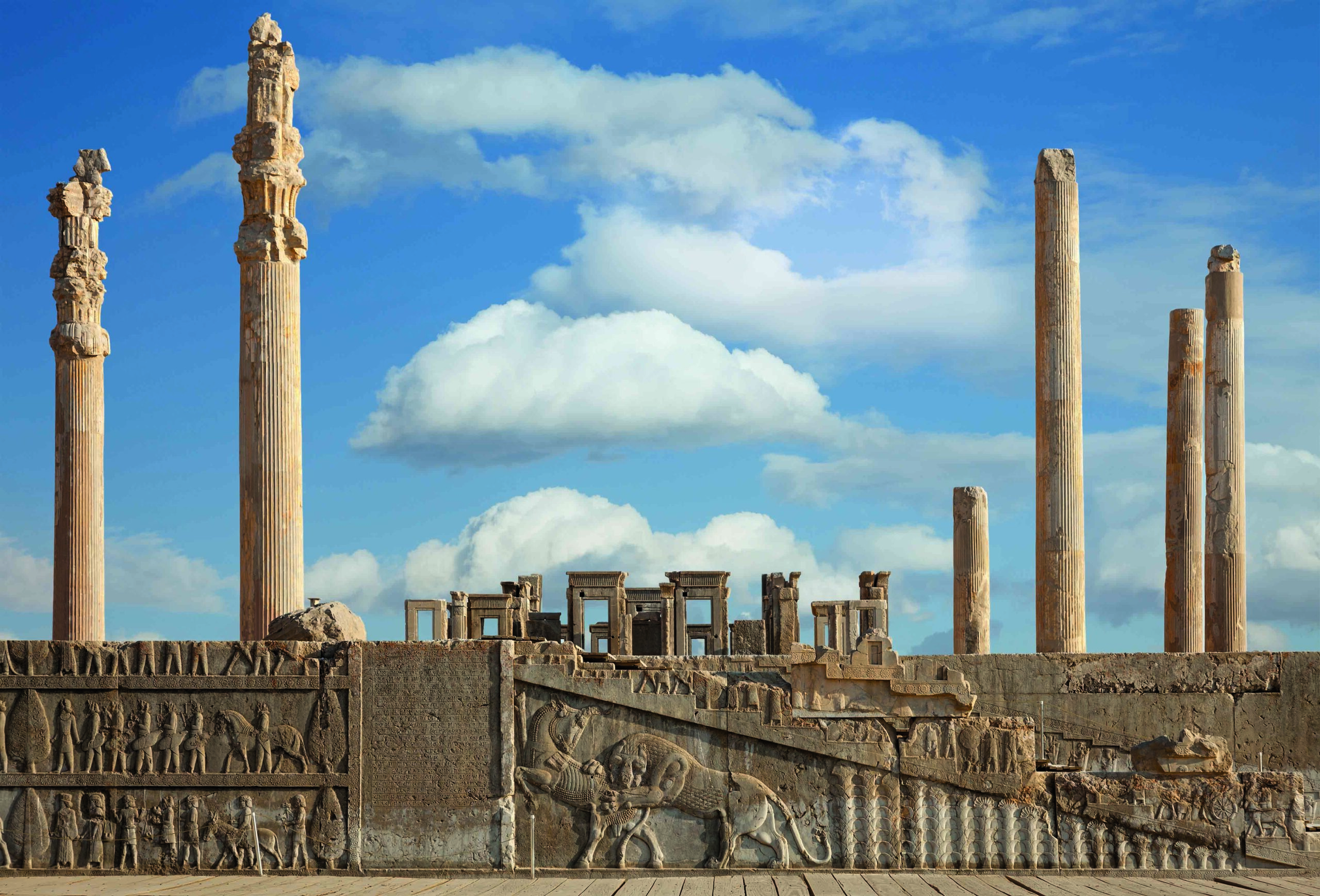
In their grand capital Persepolis, Achaemenidrulers expressed their vision of a prosperous,multicultural empire
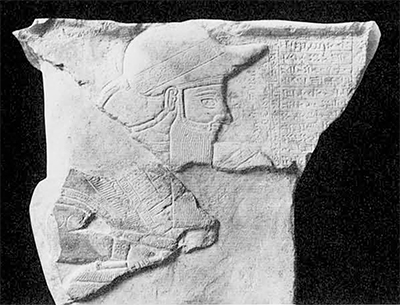
Expedition Magazine | Aspects of Elamite Art and Archaeology
In Sumerian texts we read about the country NIM, the wondrous mountain area which we call Iran today. The biblical […]
L’implacable érosion de la liberté scientifique
Sinistre coïncidence ou signe des temps. Alors que sortait en librairie le récit de l’anthropologue Fariba Adelkhah, otage scientifique en Iran de 2019 à 2023…


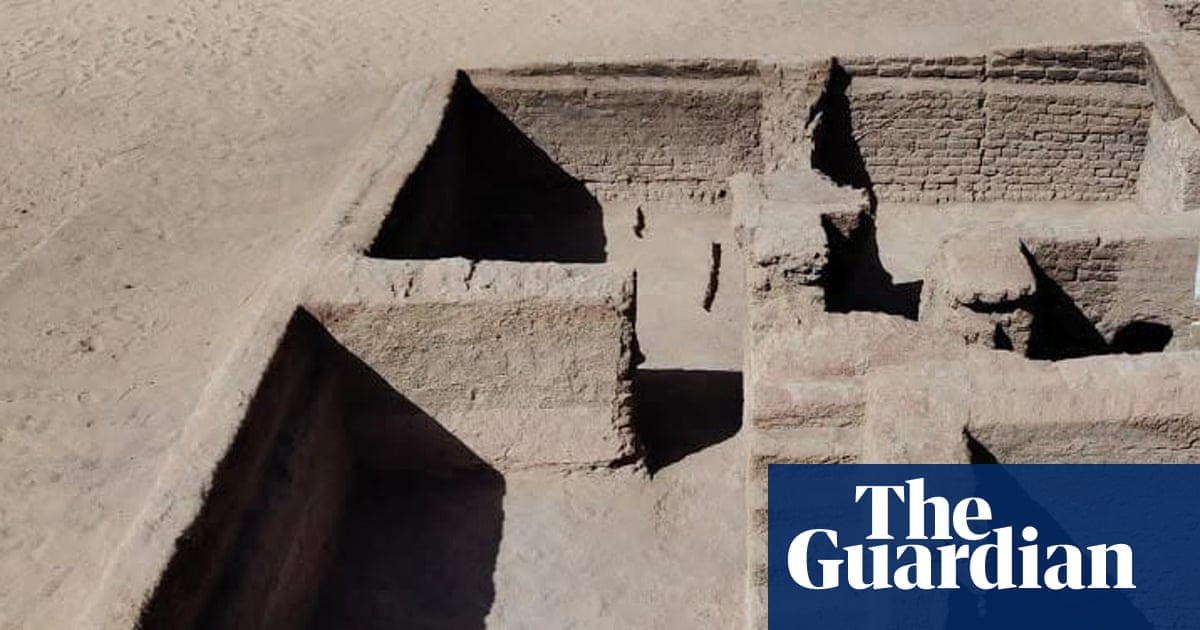
Archaeologists uncover ancient Byzantine city in Egypt’s western desert
Well-preserved fourth-century quarters reveal details of daily life, urban development and economic activities
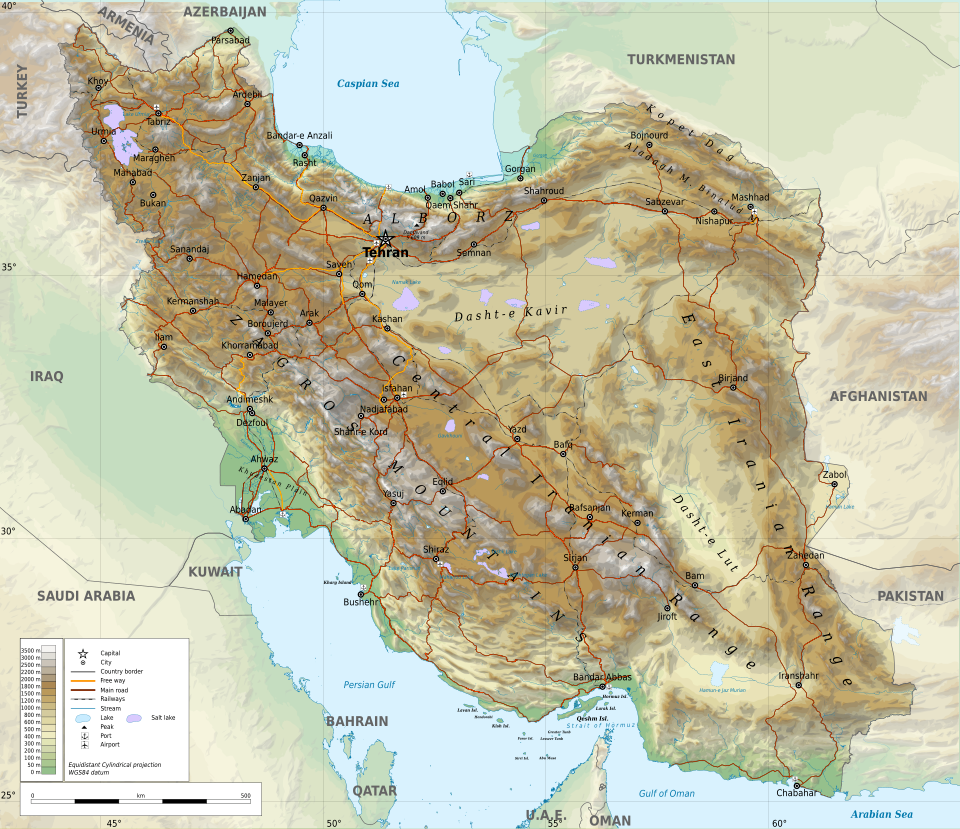
Miscellanea: The War in Iran
This post is a set of my observations on the current war in Iran and my thoughts on the broader strategic implications. I am not, of course, an expert on the region nor do I have access to any spec…
Remote Origins: Translation, Genealogy, and Alterity in Medieval Castile (1252-circa 1390)
This dissertation analyzes selected examples of thirteenth- and fourteenth-century written culture to show their engagement with the religious alterity of Islam as an integral part of the origins of the kingdom of Castile. Following an interdisciplinary methodology, it addresses how medieval ideas about astrology, geography, history, medicine, race, and religion participated in creating discourses about origins that recognized the intellectual and political authority of al-Andalus. It argues that early Castilian vernacular texts conceptualized the translation of Arabic sources as an instrument for creating, transforming, and superseding the alterity of Islam while recognizing the cultural and political authority of Andalusi traditions. The first chapter serves as an introduction explaining the historical and theoretical framework of the dissertation. To do so, it provides an overview of Castilian ideas about genealogy, historiography, authority, and translatio, and translation. Then, through close reading and ample historicization, chapters two, three, and four analyze the impact of Andalusi textual traditions, cultural practices, and human population in three interrelated fields of medieval science, literature, and history. Chapter 2 explores the political implications of King Alfonso X’s (r. 1252-1284) dedication to the translation of Arabic sciences by focusing on the translation of a treatise of astrology titled Libro de las cruzes (1259). The chapter traces the cultural and political context that accompanied the transmission of the book in al-Andalus alongside the content of its Arabic and Castilian prologues. In light of ideas about the transference of knowledge (translatio studii) shared by Christian and Muslim scholars, I conclude that deployment of a twofold origin in the Libro de las cruzes illustrates the strategies and motivations of Alfonso X’s broader engagement with Arabic sources. The third chapter turns to the early fourteenth-century romance Libro del caballero Zifar with a double focus on its forged origin as a translation from caldeo (Chaldean) and the prominence of cursed lineages. Regarding lineage, the chapter explores the representation of exemplary virtues by the protagonists of the romance as enacting ideas about the transformable character of lineage and the capabilities of the individual to unmake inherited negative traits. Likewise, the textual strategy of the forged translation enables the inclusion of Arabic and Asian referents at the origin of a profoundly Christian text. In chapter 4, literature meets historiography in the analysis of the Crónica de Flores y Blancaflor. Being the result of intertwining a Castilian chronicle—Alfonso X’s Estoria de Espanna—and a French romance, this text narrates the love story between an Andalusi Muslim prince and the daughter of a captive Christian noble. The chapter focuses on Berta, the captive woman, to show the implications of her decision to nurture Flores and Blancaflor with her milk. Considering Christian and Muslim ideas about milk and wet nursing along with the tenets of Castilian historiography, the chapter shows the limits of dominant ideas about dynastic origins among the Christian elites of Castile while evidencing the existence of an alternative discourse that—coming from within Castilian historiography—incorporates maternal and non-Christian kinship as an essential part of the origins and possibilities of the kingdom. A short final chapter serves as a conclusion, suggesting paths for expanding the results of this dissertation within and the thirteenth and fourteenth centuries covered by its contents.
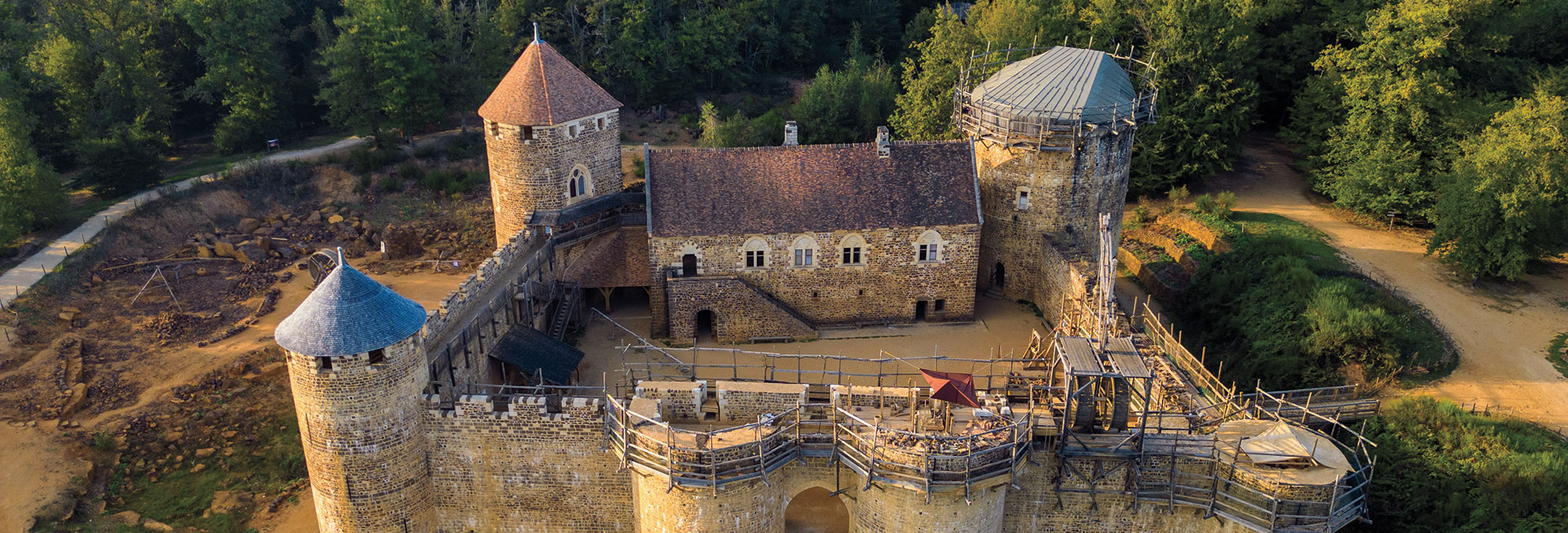
Features - How to Build a Medieval Castle - Archaeology Magazine - September/October 2025
Why are archaeologists constructing a thirteenth-century fortress in the forests of France?
1177 BC: The Year Civilization Collapsed (Eric Cline, PhD)

Why your Steppe Empire can not exist
X aplica filtro para ocultar posts de políticos de timeline nas eleições de 2026
Empresa abriu código de sua timeline principal

Empire: World History
2028 Los Angeles Olympics

Search terms: LA28, LA Olympics
Mini rabbit hole: Chen Zhi and the Prince Group
Search keywords: Prince Holding Group, プリンス・グループ, プリンス・ホールディング・グループ, チェン・ジー(陳志), 太子集团控股, ព្រីនស៍ ហូលឌីង គ្រុប, Hu Xiaowei, フー・シー, 李垠宏, カク鳳至(「カク」は「赤」へんにおおざと)
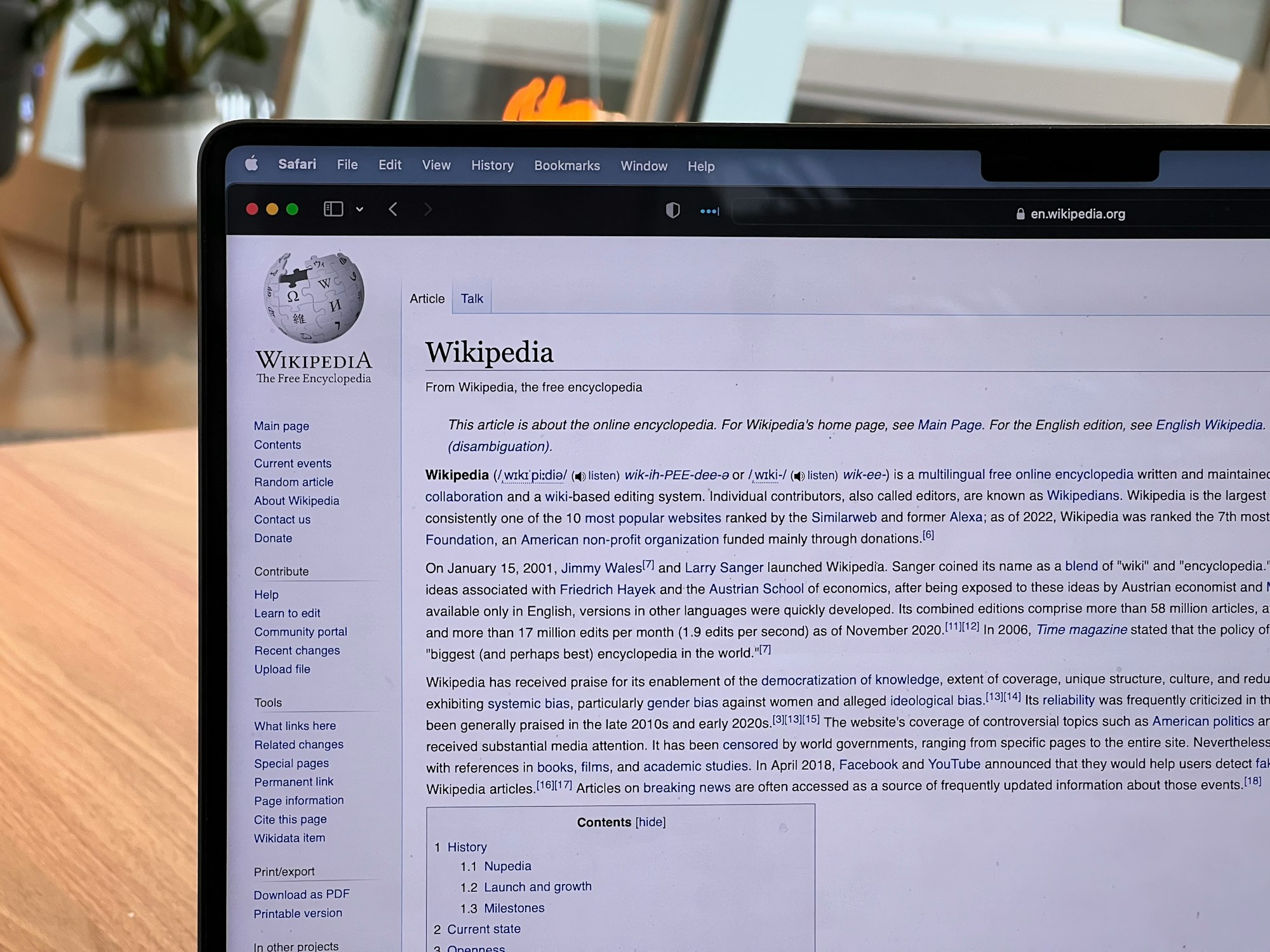
Wikipedia
Wikimedia Foundation
USA
Wikimedia: Rogue OpenAI agents behind unauthorized Wikipedia edits

List of Wikipedia controversies
List of political editing incidents on Wikipedia

Deep-Research Agents Can Be Poisoned via User-Generated Content

It Is Trivially Easy to Use Reddit to Manipulate AI Search, Research Suggests
An AI Agent Was Banned From Creating Wikipedia Articles, Then Wrote Angry Blogs About Being Banned

LA was supposed to have a no-cost Olympics in 2028. The city has already spent $27 million

Who is LA28 paying?

LA is not a bloomin' desert

Home

新大阪駅で消えた犯罪組織幹部 「東京の生活」手がかりに追ったT3:朝日新聞

Directors of Firms Linked to Sanctioned Cambodian Conglomerate Bought Properties in Japan

「アジア最大の犯罪組織」最高幹部逮捕 うその住民異動容疑、警視庁:朝日新聞

Hong Kong Justice Department Applies for Order to Freeze Prince Group Assets

Executive linked to major Asian crime group arrested in Japan
www.occrp.org
Home
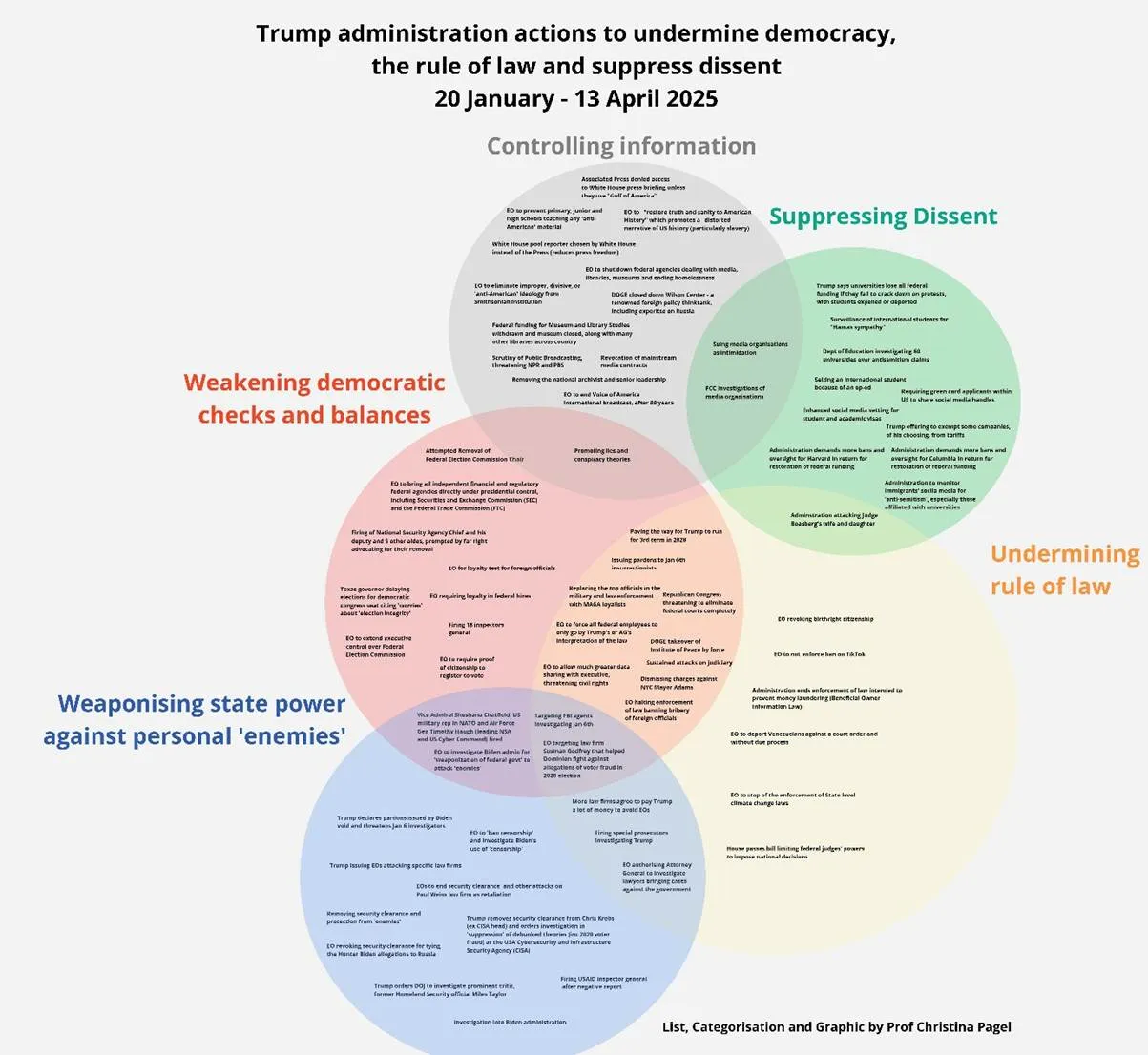
Trump Action Tracker | Keeping a tally of Trump's actions

Toolkit: Lost in the US immigration detention system — Freedom for Immigrants
ICE Detention Purchase Tracker
Snapshot | A/PI ICE Tracker
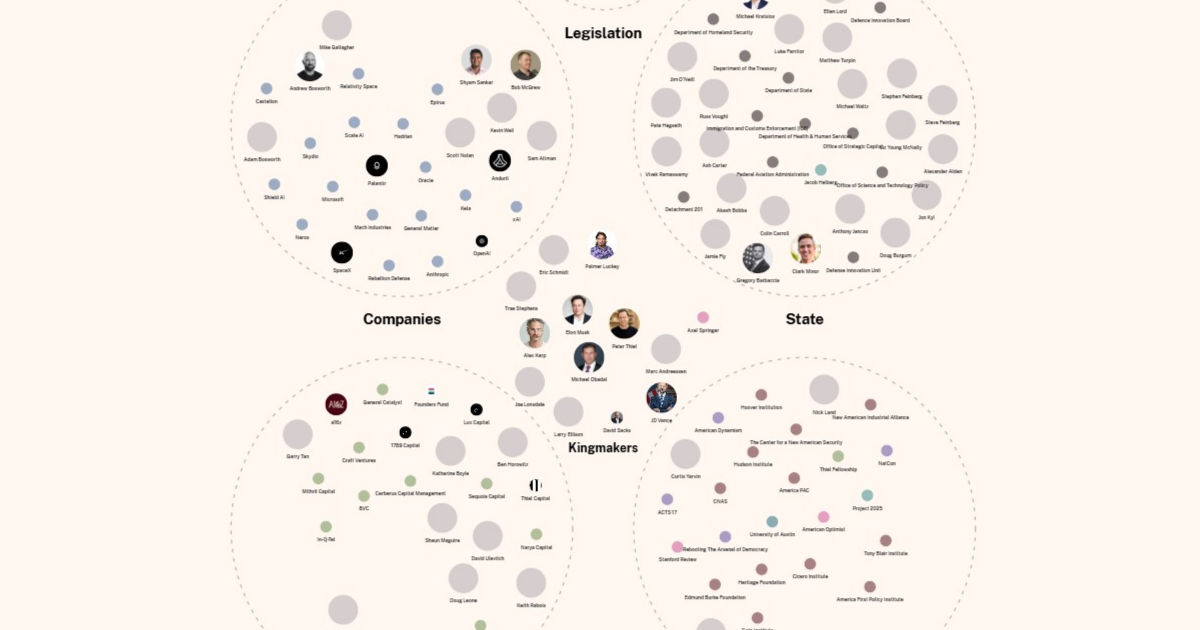
The Authoritarian Stack