


We asked young New Yorkers about their dream futures. Then we calculated exactly how much each would cost.
Supporting ambitious external research through the Anthropic Economic Futures Research Fund
We’re committing $200 million to the Anthropic Economic Futures Research Fund to support ambitious external research.
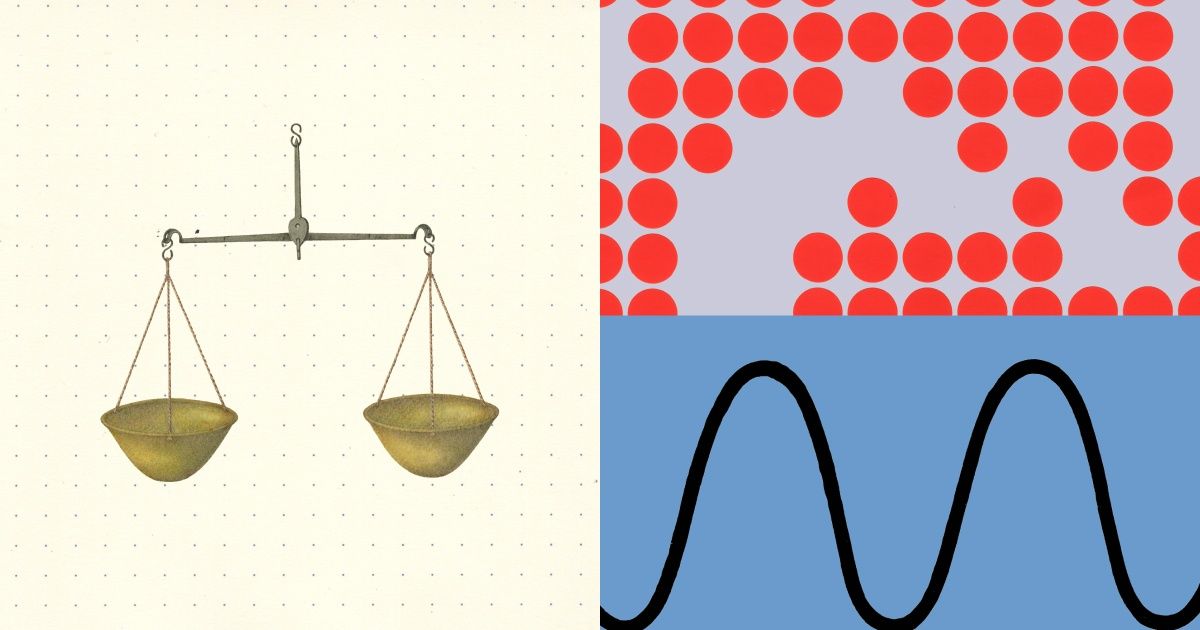
Opinion | What the Rich Won’t Tell You (Published 2017)
“There’s nobody who knows how much we spend. You’re the only person I ever said those numbers to out loud.”

A better future won’t just be built by billionaires.
No billionaire gets to decide the future for everyone else. The future we deserve is one we build together. Join us.

The cost of driving versus using a bike and transit (or: how to save over $7,000 a year)
I thought it would be fun to find out: how much money did I save in 2025 by cycling and using transit compared to using a car as my primary way of getting around?
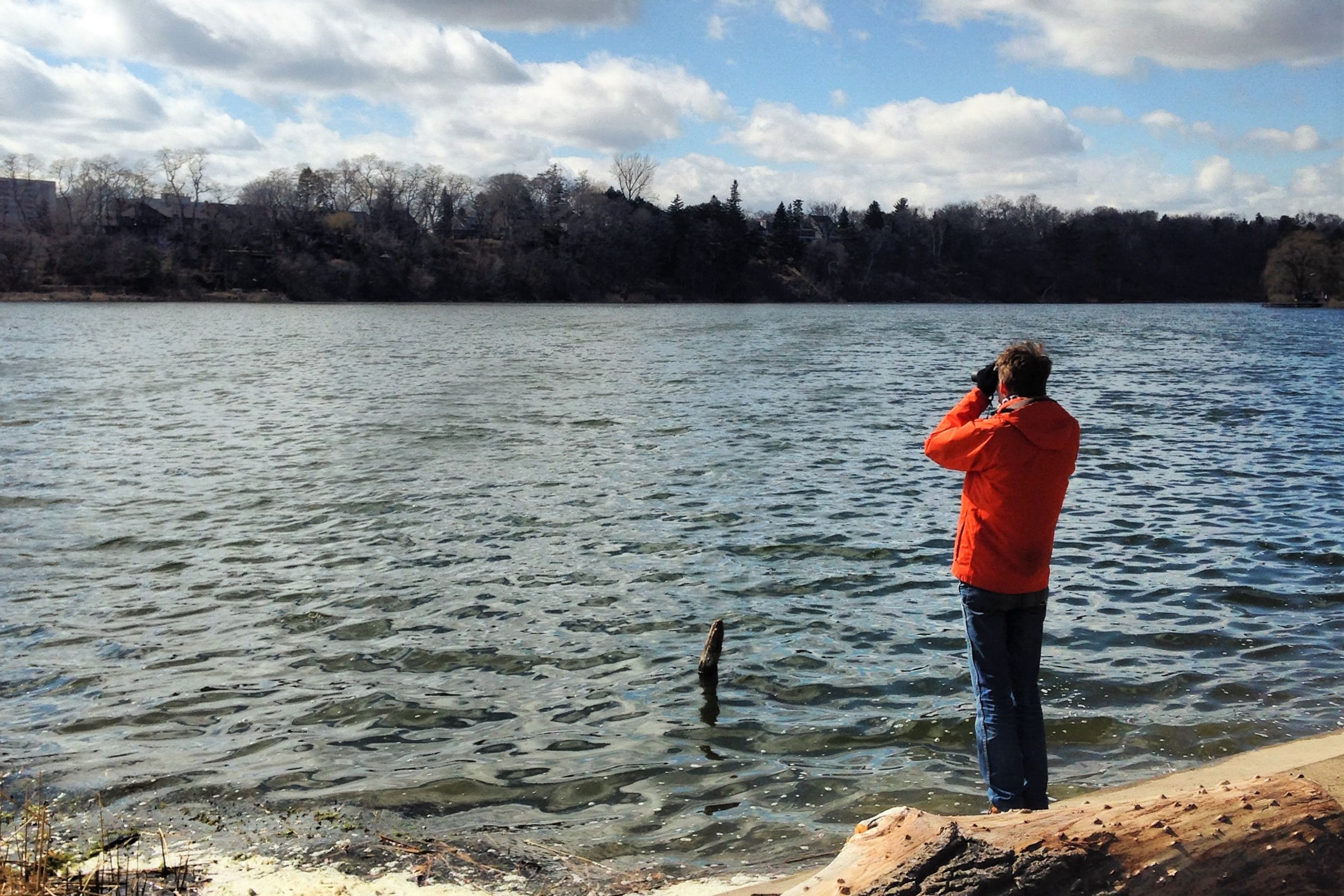
Community Wealth Building — Urban Affairs Review
Scholars of urban politics have long debated the issue of what cities can and should do to promote the economic well-being of their residents. As the of election Zohran Mamdani illustrates, urban residents are increasingly demanding that city governments do more to address the increasingly exorbitant costs of housing, childcare, and transportation. One obvious solution is to raise taxes on the private holders of wealth. By the same token, his election has prompted handwringing on the right about the “inevitable” flight of capital out of New York City. Scholarship that runs the gamut from the public choice school associated with the “city limits” perspective (Peterson 1981) through to Marxian accounts (Logan and Molotch 1987) all recognize that the private ownership of wealth and the mobility of capital puts cities in a bind, especially in a context of highly circumscribed levels of federal urban spending. Though several scholars (Logan and Swanstrom 1990; Kantor and Savitch 1993; Schragger 2016) have demonstrated that cities have greater latitude to promote egalitarian public policies than these perspective allow, few would argue that the deep structural problems of economic and social inequality can be fully resolved by tax-and-spend liberalism (Imbroscio 2010).
A crisis in Vancouver: The lifeblood of the city is leaving
When housing is no longer affordable for the lifeblood of the city, what will be left?
Pluralistic: The housing crisis considered as an income crisis (24 Oct 2024) – Pluralistic: Daily links from Cory Doctorow
A paradox: in 1970, everyday Americans found it relatively easy to afford a house, and the average American house cost 5.9x the average American income. In 2024, Americans find it nearly impossible to afford a house, and the average American house costs…5.9x the average American income.
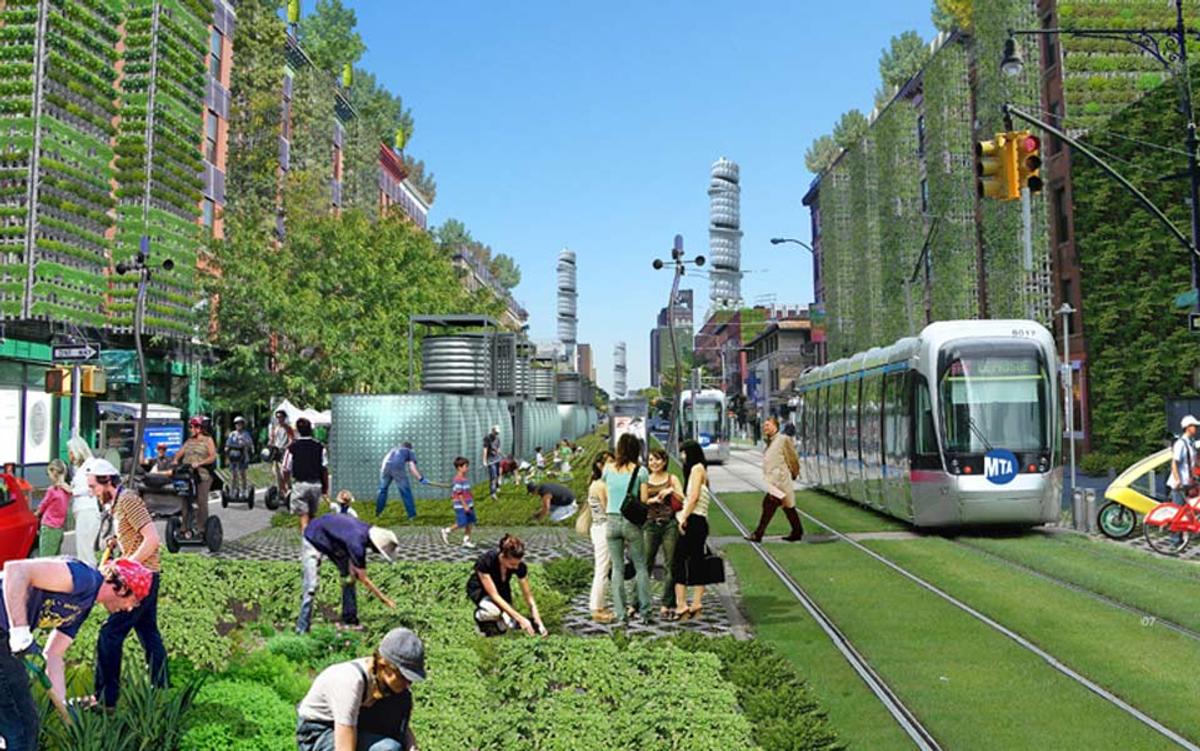
NYC: can this city-state be completely self-reliant? | Aeon Essays
Green living in NYC need not be simple living – think skyscraper farms, meat-production towers and revamped aqueducts
Expectation vs Reality: The Hard Hand Dealt Young People in 2023
We could be working 15-hour weeks, enjoying our free time, and living like people of the future. Matt Gallagher asks: Why aren't we?

How we will pay for our plans | The Australian Greens
We can make life affordable by making big corporations pay their fair share.

The American Dream Starts Now
Trump Accounts provide eligible American children with tax-advantaged investment accounts courtesy of President Donald J. Trump.

This is how we build the future: Teaching Regenerative Economics at all levels with Jennifer Brandsberg-Engelmann
How do we let go of the sense of scarcity, separation and powerlessness that defines the ways we live, care and do business together? How can we best equip our young people for the world that is coming - which is so, so different from the future we grew up believing was possible?

How will we pay for it? – Victorian Socialists
We live in a rich state, yet resources are unevenly shared. We want to tax the wealth of the billionaires and banks. This wealth should fund essential services.
Cost of Living - One Nation Victoria
Winding back Labor's land tax hikes, lifting the payroll tax threshold, abolishing stamp duty on insurance, and cutting the cost built into every new home.
