

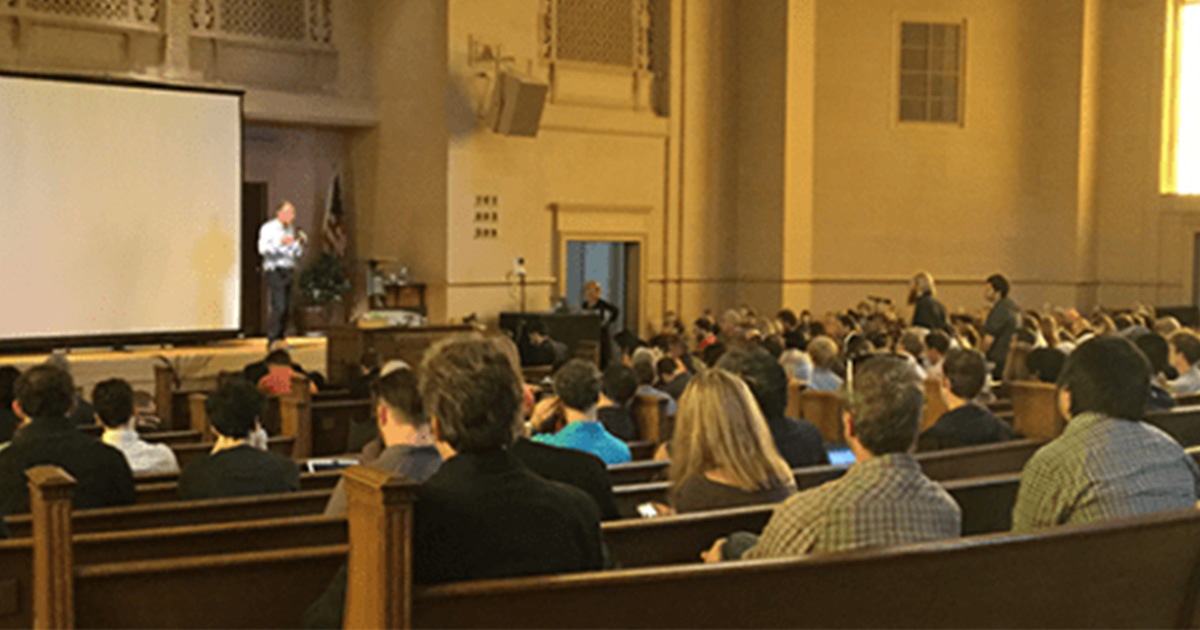
Tim Berners-Lee Keynote: "Re-decentralizing the web - some strategic questions" Tim Berners-Lee invented the World Wide Web in 1989. He founded and Directs the World Wide Consortium (W3C) the forum for technical development of the Web. Video Production & Live Streaming provided by Argus HD
Tim Berners-Lee on the huge sociotechnical design challenge | TechCrunch
In a speech discussing ethics and the Internet, the inventor of the World Wide Web, Sir Tim Berners-Lee, has tasked the technology industry and its coder

The inventor of the web Tim Berners-Lee on the future of the internet, 'fake news,' and why net neutrality is so important
Axel Springer CEO Mathias Döpfner sat down with Sir Tim Berners-Lee, the inventor of the World Wide Web, for a far-ranging conversation.
CERN70: Where the Web was born…
In 1989, Tim Berners-Lee, a young scientist working at CERN, wrote a proposal for an information management system based on the Internet. At the time, few people really understood the significance of his seemingly abstract idea. Luckily, however, his supervisor and a few colleagues had the foresight to let him work on an invention that would change the world.

12 November 2025 | Isolated Web Apps - Current state and future direction | Calendar
The World Wide Web Consortium (W3C) is an international community where Member organizations, a full-time staff, and the public work together to develop Web standards.

This Is for Everyone ebook by Tim Berners-Lee - Rakuten Kobo
Read "This Is for Everyone The Unfinished Story of the World Wide Web" by Tim Berners-Lee available from Rakuten Kobo. A Sunday Times Bestseller The inventor of the World Wide Web explores his vision’s promise—and how it can be redeemed fo...

Sir Tim Berners-Lee on Building AI That Benefits Everyone
In a recent Financial Times op-ed, World Wide Web inventor Sir Tim Berners-Lee discusses how to ensure a future of AI that benefits and protects all.

Working on HTML5.1
The World Wide Web Consortium (W3C) is an international community where Member organizations, a full-time staff, and the public work together to develop Web standards.
The Fathers of the Internet Revolution Urge Today’s Software Engineers to Reinvent the Web
Tim Berners-Lee, Vint Cerf, and other Internet pioneers issue a challenge on a day that just might go down in tech history

Tim Berners-Lee Warns A.I. Could Kill the Web Economy as No One Visits Sites Anymore
As A.I. chatbots replace human readers, Tim Berners-Lee warns the World Wide Web’s ad-driven business model could collapse without reform.

Tim Berners Lee: Thoughts On The Internet Evolution
"I’ve always believed the web is for everyone. That's why I and others fight fiercely to protect it."

Who Pays For The Decentralized Web?
I recently attended the Decentralized Web Summit where industry giants Vint Cerf and Tim Berners-Lee spoke about designing a new…
Who Shapes Web Standards? Uncovering the Main Topics of Interest in the W3C
How the Web Was Lost – James Gleick
This Is for Everyone: The Unfinished Story of the World Wide Webby Tim Berners-Lee with Stephen WittFarrar, Straus and Giroux, 389 pp., $30

Solid (web decentralization project)
Solid is a web decentralization project led by Tim Berners-Lee, the inventor of the World Wide Web, originally developed collaboratively at the Massachusetts Institute of Technology (MIT). The project "aims to radically change the way Web applications work today, resulting in true data ownership as well as improved privacy" by developing a platform for linked-data applications that are completely decentralized and fully under users' control rather than controlled by other entities. The ultimate goal of Solid is to allow users to have full control of their own data, including access control and storage location. To that end, Tim Berners-Lee formed a company called Inrupt to help build a commercial ecosystem to fuel Solid.

The Web’s Creator Looks to Reinvent It (Published 2016)
Tim Berners-Lee and other computer scientists are pondering newer technologies to create a web with more privacy and less government control.

Tim Berners-Lee just gave us an opening to stop DRM in Web standards | Defective by Design
This week, the chief arbiter of Web standards, Tim Berners-Lee, decided not to exercise his power to extend the development timeline for the Encrypted Media Extensions (EME) Web technology standard. The EME standardization effort, sponsored by streaming giants like Google and Netflix, aims to make it cheaper and more efficient to impose Digital Restrictions Management (DRM) systems on Web users. The streaming companies' representatives within the World Wide Web Consortium (W3C) were unable to finish EME within the time allotted by the W3C, and had asked Berners-Lee for an extension through next year.